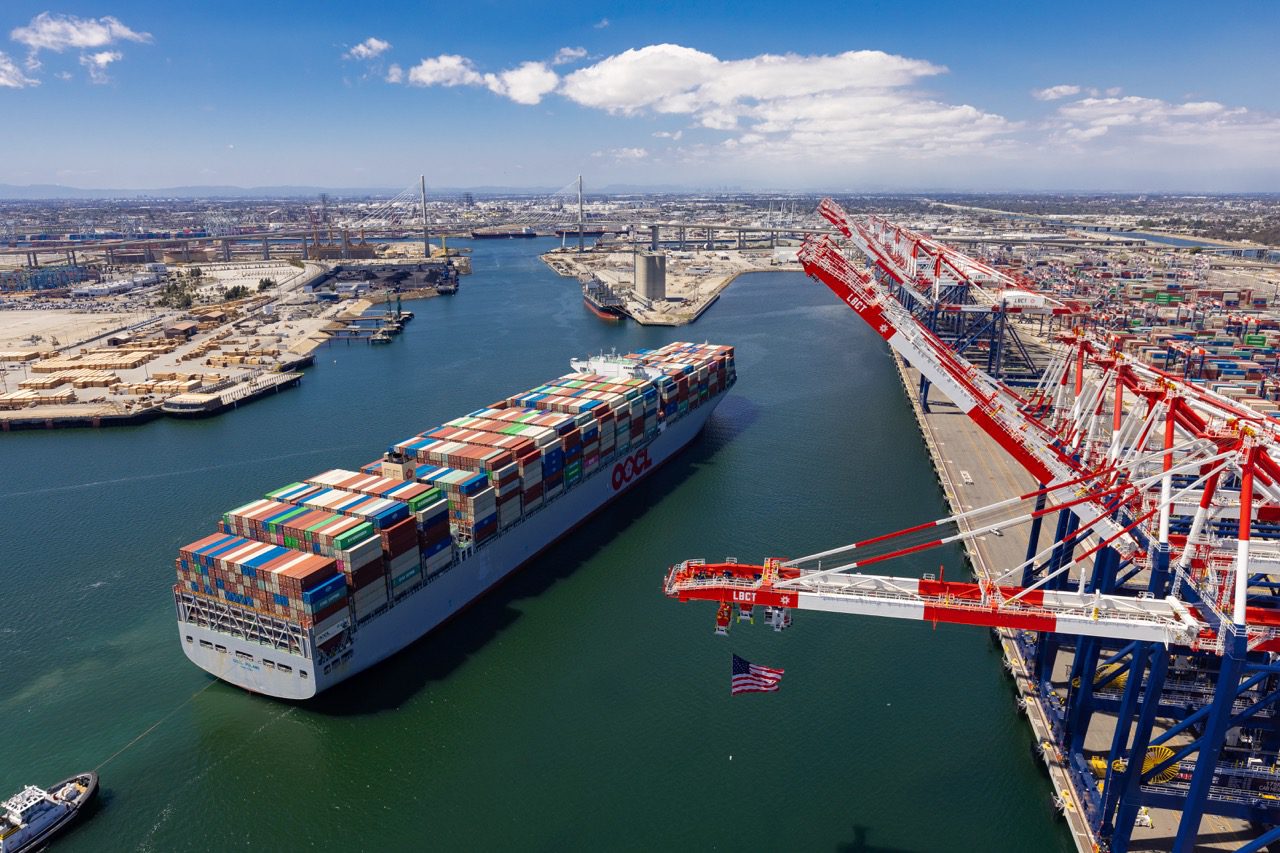
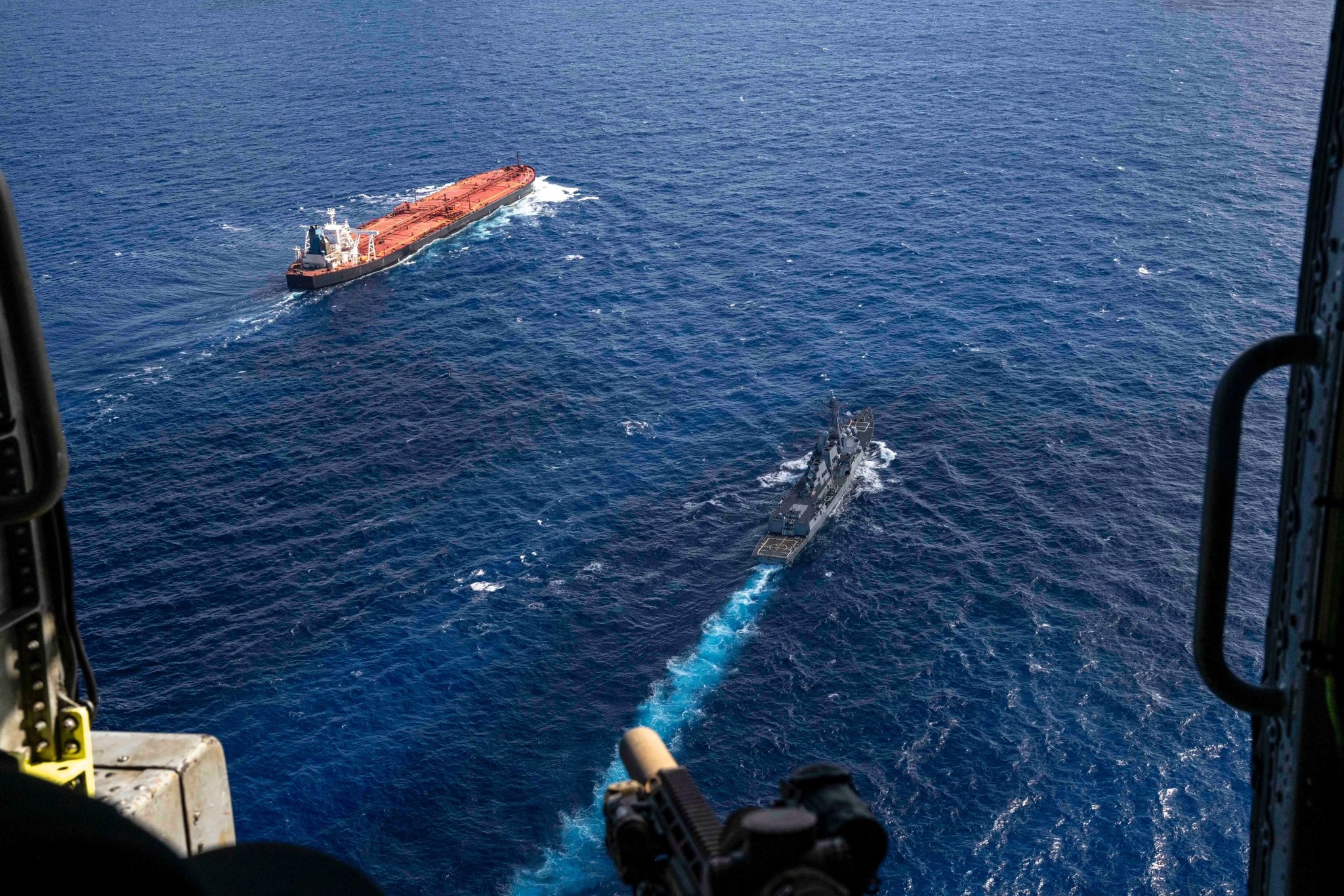
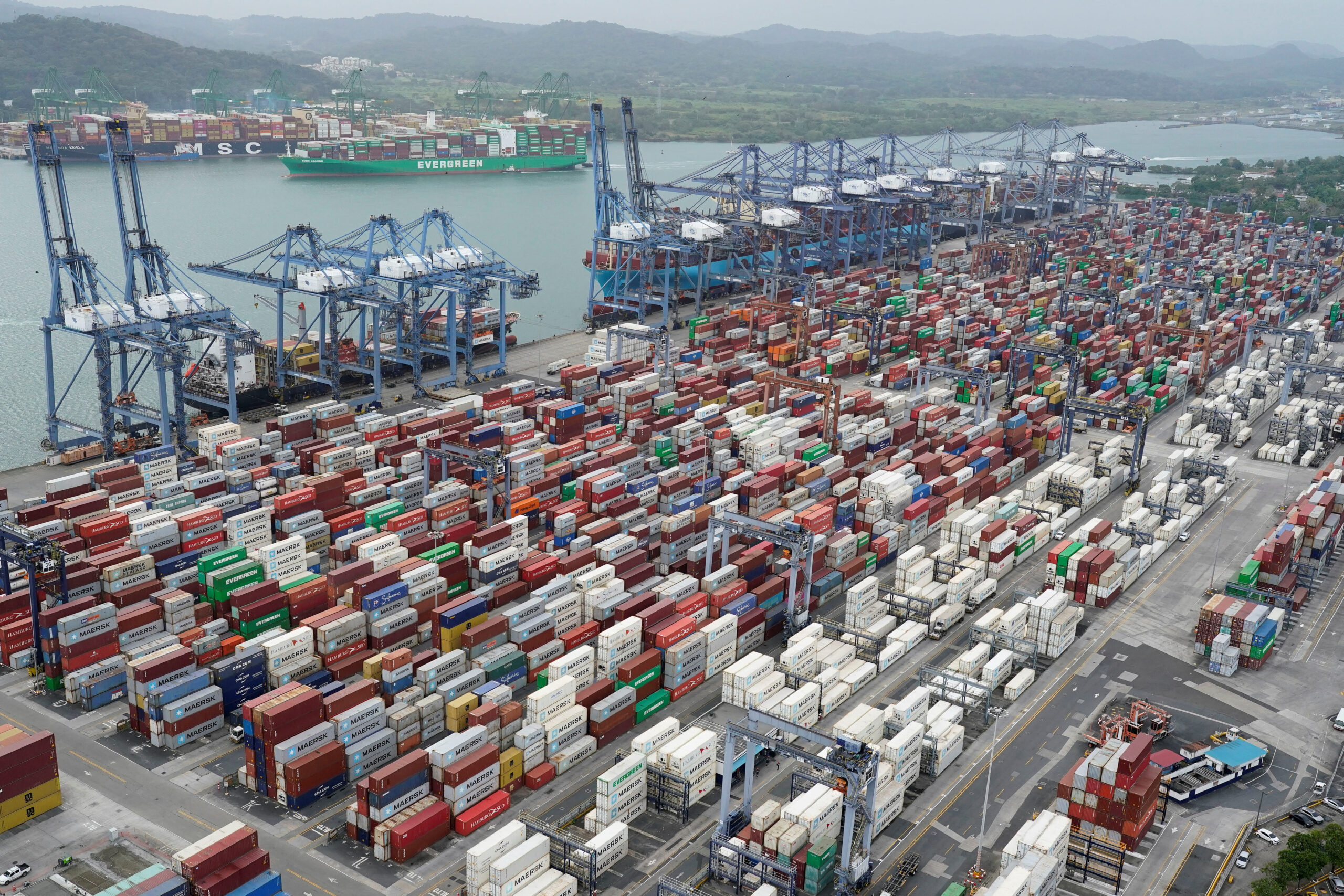
The International Chamber of Shipping (ICS) is offering cautious support for the White House’s Maritime Action Plan—while drawing a firm line against one of its most controversial funding ideas: a universal port fee on foreign-built ships that could raise as much as $1.5 trillion over the next decade.
In a statement released Monday, the London-based trade association backed efforts to rebuild U.S. shipbuilding capacity but warned that proposed fees ranging from 1 cent to 25 cents per kilogram of imported cargo would add significant costs to maritime transport and risk disrupting global trade flows.
“ICS strongly advocates for shipping to be able to move trade freely, efficiently, and without unnecessary barriers,” the group said. “The global nature of maritime transport requires policy solutions that are carefully coordinated and that avoid unintended consequences for supply chains and economic stability.”
The Maritime Action Plan, unveiled last week, implements an executive order President Trump signed in April 2025 declaring U.S. shipbuilding a strategic vulnerability. The plan lays out a broad industrial strategy aimed at restoring domestic shipyard capacity and rebuilding the U.S.-flag fleet through multiyear procurement, expanded financing tools, Maritime Prosperity Zones, and the creation of a Maritime Security Trust Fund.
According to the White House, less than one percent of global commercial ships are built in the United States, while strategic competitors dominate the market at far lower production costs. To help close that gap, the plan proposes assessing port fees on all foreign-built commercial vessels calling at U.S. ports, with the proceeds directed to the new trust fund. At the upper end of 25 cents per kilogram, the administration estimates the fees could generate nearly $1.5 trillion over ten years.
The proposal comes against a backdrop of policy whiplash. In November 2025, the White House suspended for one year the Section 301 port fees targeting China-linked vessels after just three weeks in effect as part of a broader trade agreement between President Trump and Chinese President Xi Jinping. That suspension, which took effect November 10, was intended to allow negotiations to proceed while the U.S. coordinated with South Korea and Japan on shipbuilding cooperation.
When those earlier fees were paused, ICS welcomed the move, noting that “the port fees imposed by the USTR, and subsequently by China as countermeasures to U.S.-linked ships, has already posed significant challenges and disruptions for the shipping industry and global trade.”
The World Shipping Council also praised the suspension at the time. “Global trade flows best when it flows freely, and a suspension of ship fees by the United States and China is a win for farmers, exporters, and consumers,” said President and CEO Joe Kramek.
Now, with the Maritime Action Plan proposing to expand similar fees beyond China to vessels from all nations, industry groups are again warning of ripple effects across supply chains. While the administration argues that long-term funding and procurement certainty are essential to restoring U.S. maritime industrial strength, carriers and trade associations are signaling concern that broad-based port charges could undermine the very trade flows the U.S. economy depends on.
For its part, ICS said it remains committed to working with the U.S. administration and international partners “to support policies that strengthen maritime capacity while safeguarding the efficiency and integrity of global trade.”
Whether Congress ultimately backs the plan at the scale envisioned—particularly its ambitious funding mechanism—remains an open question.
Editorial Standards · Corrections · About gCaptain

 Join The Club