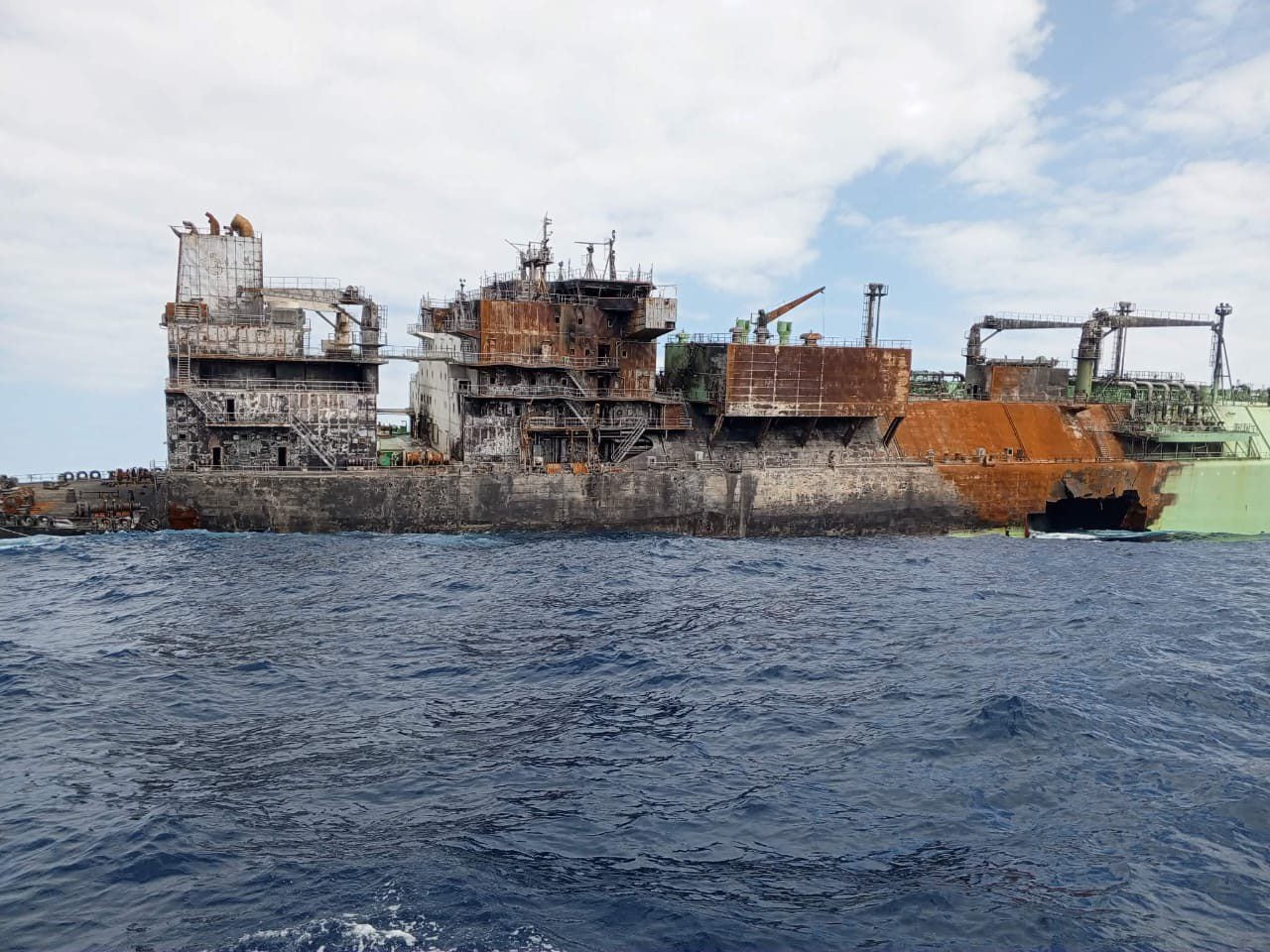
Libyan authorities have effectively halted efforts to secure the stricken LNG tanker Arctic Metagaz, towing the vessel far offshore and leaving it adrift near the edge of Malta’s search and rescue (SAR) zone, according to maritime tracking data, regional media, and OSINT reporting.
The vessel now sits roughly 105 nautical miles north-northeast of Misrata, close to the boundary of Malta’s SAR zone, after being towed past the Libyan port without stopping.
The Russian-linked tanker, disabled by explosions and fire on March 3, had been the focus of a Libyan-led towing operation aimed at preventing a potential environmental disaster and keeping the vessel clear of offshore oil infrastructure. The tanker, part of what Western officials describe as Russia’s “shadow fleet,” has been drifting unmanned since its crew was evacuated following the incident.
Libyan authorities had announced that remaining LNG and fuel onboard would be offloaded in a controlled operation. However, recent movements appear to contradict earlier plans by Libyan officials to bring the vessel to port – reportedly Misrata – for cargo offloading and stabilisation.
Libyan officials from the General Administration for Coast Security and the National Oil Corporation, which had led the operation, did not respond to requests for comment.
The relocation raises questions about whether Libya has abandoned salvage efforts altogether. According to Maltese and Libyan media, the towline has been disconnected and majority of tugs and support vessels have returned to port, leaving the tanker effectively unmanaged in international waters.
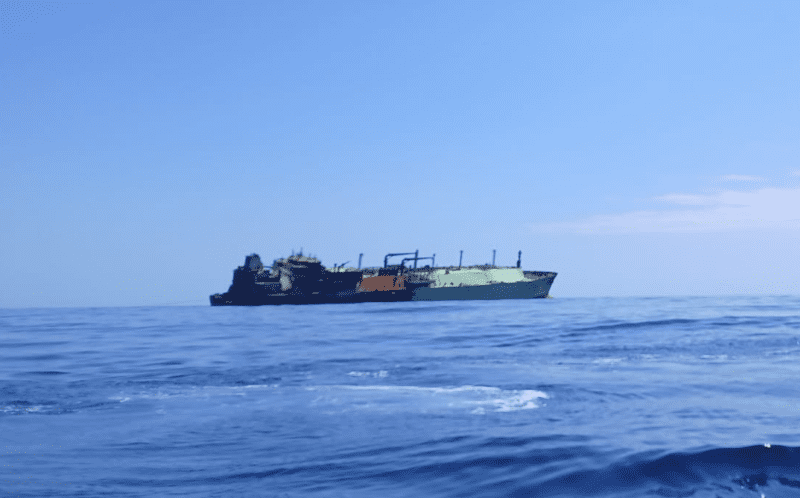
Weather conditions in the central Mediterranean are expected to deteriorate in the coming days, raising the risk that the heavily damaged vessel could sink. Images circulating on Tuesday show the ship listing significantly, with the stern approaching the waterline, suggesting worsening buoyancy.
Arctic Metagaz in a photo dated March 31. (Source: General Administration for Coast Security)
Analysts say the week-long towing effort may have exacerbated structural damage, potentially allowing seawater ingress into additional compartments.
Moving the vessel more than 100 nautical miles offshore and back in the direction where the incident began Libyan authorities reduced the immediate risk to their coastline, but the larger issue of who will ultimately salvage the vessel remains.
Prevailing wind directions in the coming days will likely push the vessel north-north east away from Libya and back into the Maltese SAR zone. Responsibility for the vessel could thus again shift to Malta.
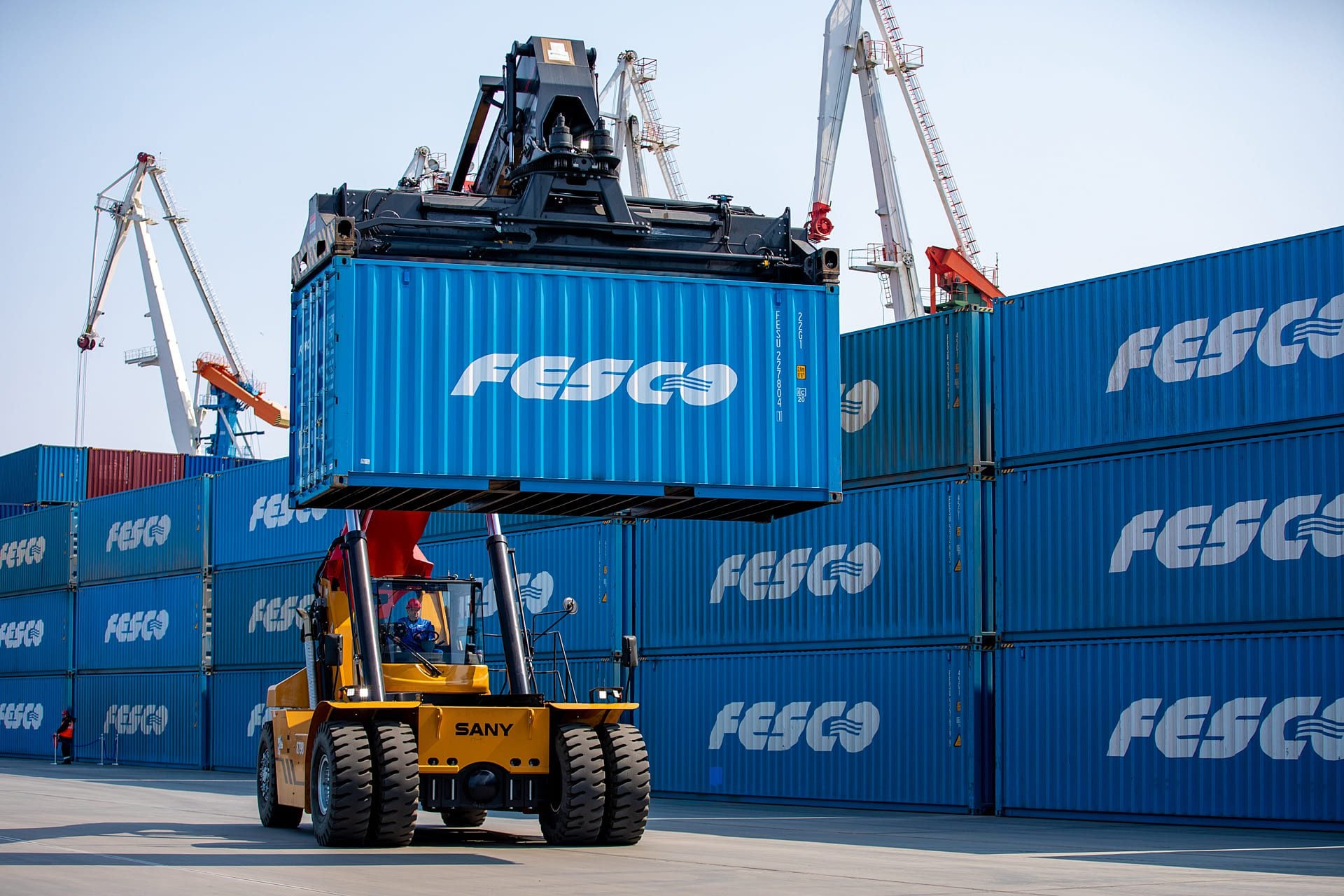
The United States has removed sanctions on three Russian-flagged vessels, including container ships Fesco Moneron and Fesco Magadan and the cargo ship Sv Nikolay, the Treasury Department said on Tuesday, in a move officials described as routine and not indicative of a broader change in Russia policy.
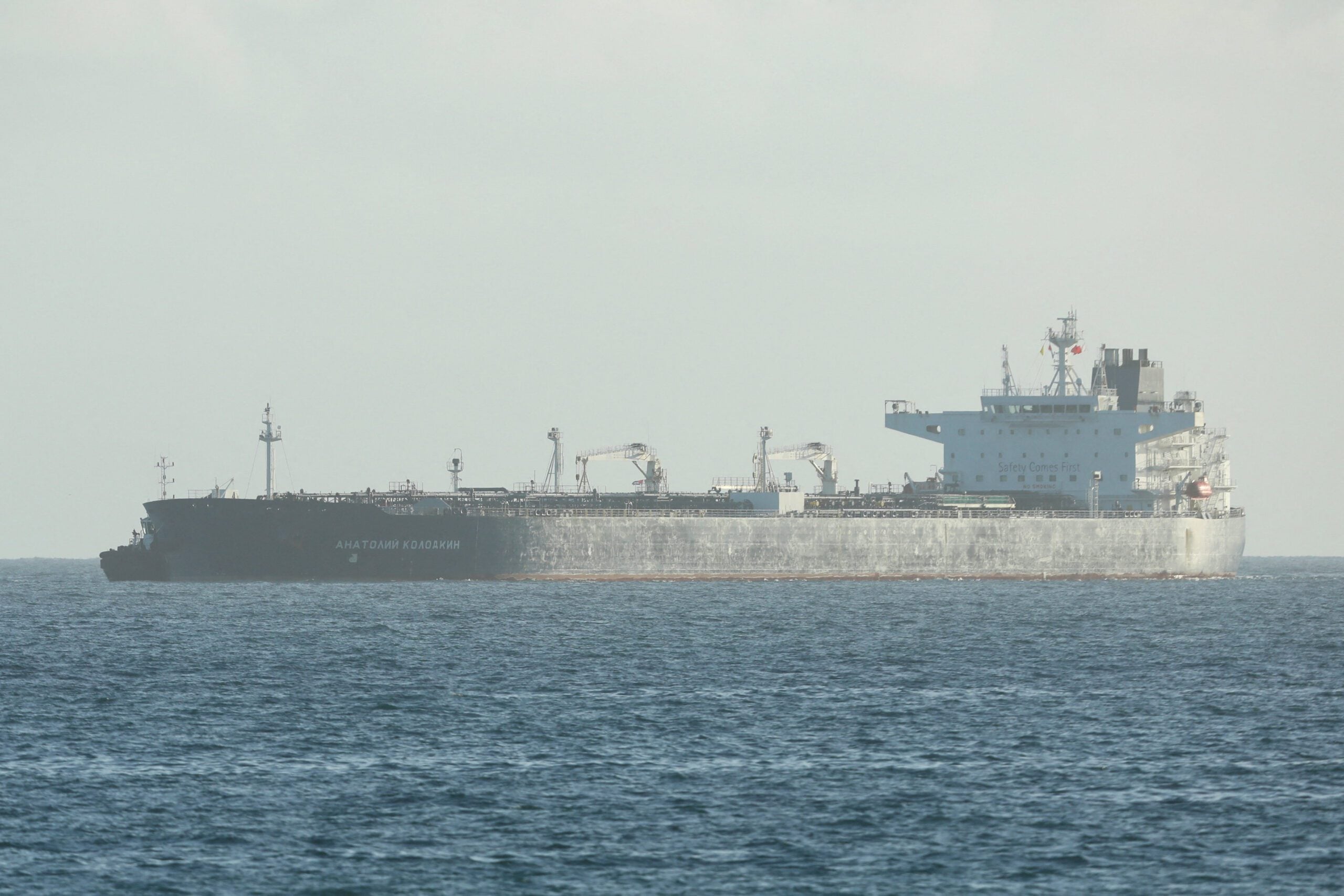
A Russian-flagged tanker carrying some 700,000 barrels of crude docked in Cuba's Matanzas oil terminal on Tuesday, shipping data showed, marking the first significant oil delivery to the island since President Donald Trump's administration cut off its fuel supply.
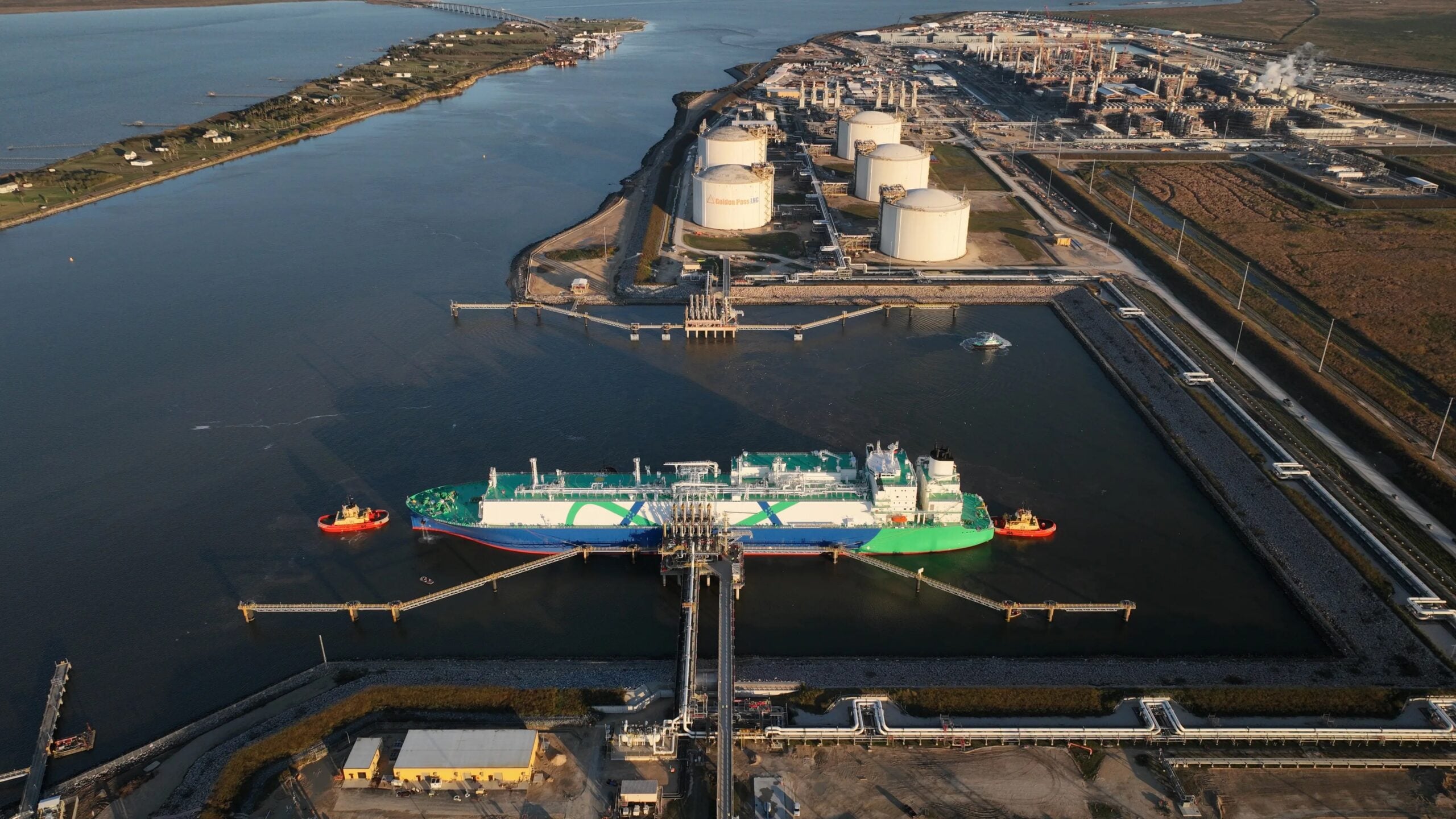
Golden Pass LNG has produced its first liquefied natural gas from Train 1 at its Sabine Pass export terminal in Texas, marking a major milestone for QatarEnergy’s largest investment in...
March 30, 2026
Total Views: 1845
Get The Industry’s Go-To News
Subscribe to gCaptain Daily and stay informed with the latest global maritime and offshore news
— just like 107,359 professionals
Secure Your Spot
on the gCaptain Crew
Stay informed with the latest maritime and offshore news, delivered daily straight to your inbox
— trusted by our 107,359 members
Your Gateway to the Maritime World!
Essential news coupled with the finest maritime content sourced from across the globe.

 Join The Club