Legal Gray Zone Emerges as Foreign Ships Enter Domestic Trades Under Emergency Waiver
As the Trump administration’s 60-day Jones Act waiver begins reshaping U.S. coastal shipping, a more fundamental issue is coming into focus—what rules actually apply to foreign vessels now operating in domestic trades?
The waiver, issued on national defense grounds to ease short-term disruptions in the oil market stemming from the U.S.-Israel conflict with Iran and the de facto closure of the Strait of Hormuz, temporarily suspends cabotage restrictions under the Jones Act, allowing foreign-flagged vessels to transport cargo between U.S. ports. Beyond that narrow exemption, however, the legal framework becomes far less clear.
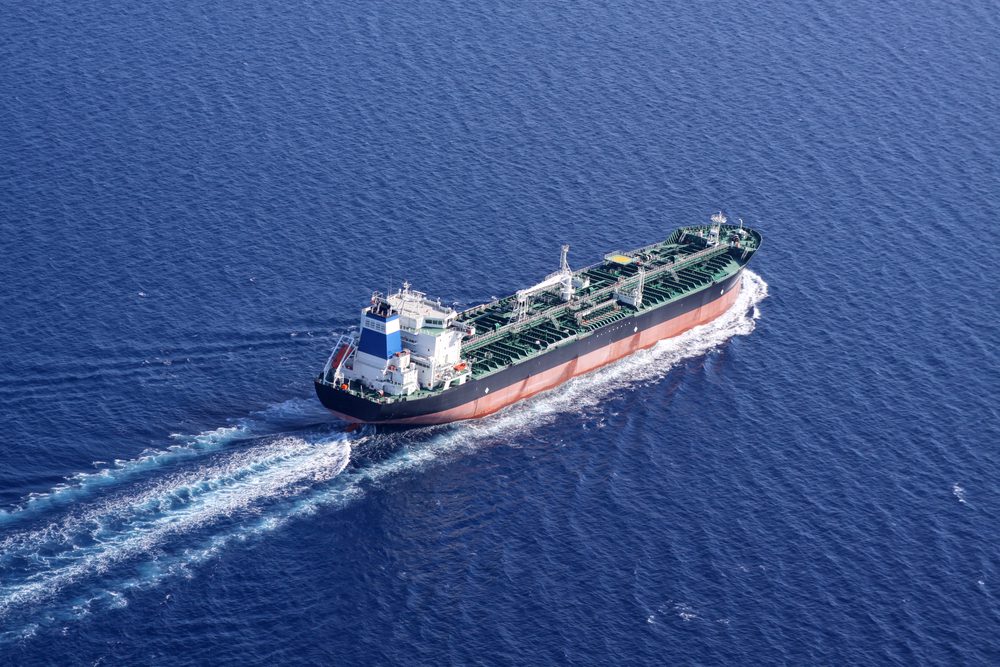
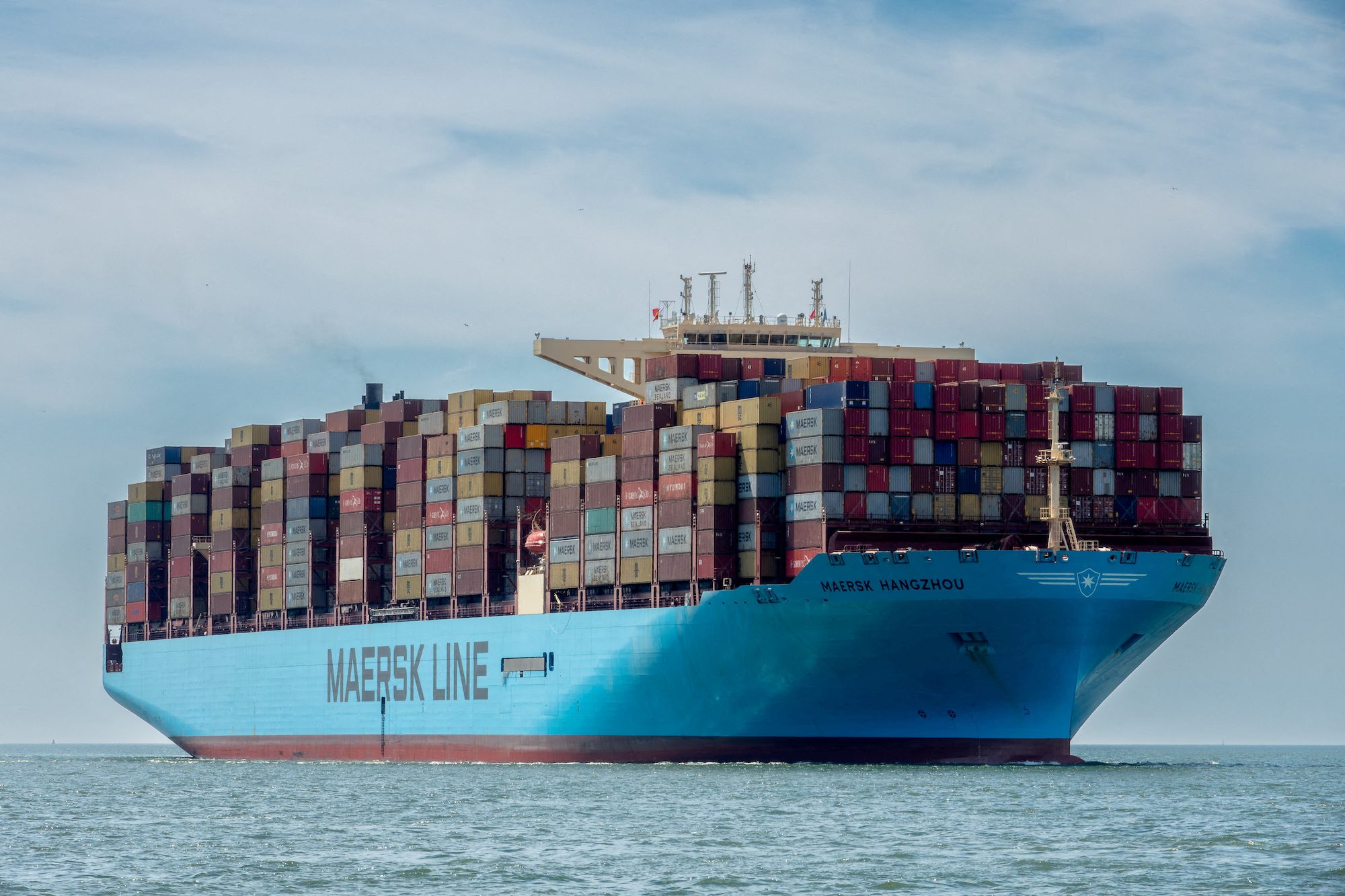
The temporary exemption allows foreign-flagged vessels to transport oil, liquefied natural gas, fertilizer, coal, and other critical commodities between U.S. ports, effectively opening domestic coastwise trade to international shipping for the next two months.
A recent legal analysis by K&L Gates highlights the uncertainty. The firm notes that while the waiver explicitly applies to navigation and vessel inspection laws, it does not address how other U.S. laws—covering taxation, labor protections, and immigration—will be applied to foreign vessels engaged in what are, by definition, domestic voyages.
That gap leaves operators navigating a potentially complex compliance landscape.
Among the unresolved questions: whether foreign shipowners will be subject to U.S. taxes on income earned from domestic routes, whether foreign crews will need visas or work authorization to operate between U.S. ports, and whether labor standards such as minimum wage requirements could apply onboard.
The U.S. Government Accountability Office has previously warned that these overlapping legal obligations could represent a significant “cost of compliance” for foreign vessels entering U.S. domestic commerce—costs that could offset any commercial advantage created by the waiver.
A separate analysis from Holland & Knight reinforces just how narrowly the waiver is constructed—and how much remains undefined. The firm notes the exemption, granted by the U.S. Department of Homeland Security at the request of the Department of War under 46 U.S.C. § 501(a), opens domestic routes to foreign vessels across at least 659 product categories without geographic limits, but the guidance stops short of addressing how broader U.S. legal regimes will apply. That leaves operators with clear permission to trade—but without clarity on the full scope of compliance obligations that may follow.
So far, regulatory clarity has been limited. U.S. Customs and Border Protection has provided operational guidance, but no broader framework has emerged from other agencies on how these laws will be enforced.
At the same time, transparency requirements are increasing. Foreign operators using the waiver must report detailed voyage information to the U.S. Maritime Administration, with public disclosure mandated within days—raising the potential for scrutiny if compliance gaps emerge.
The uncertainty is already rippling across the industry—and drawing sharp reactions. The AFL-CIO has called the waiver “unnecessary and ineffective,” arguing it opens U.S. waterways to foreign competitors while doing little to reduce fuel costs. Labor leaders warn that without clear enforcement of U.S. labor and employment laws, foreign operators could gain an uneven advantage in domestic trades.
Security concerns are also coming into focus. In its 2025–2026 Maritime Policy Statement, the Navy League of the United States warns that expanding foreign participation in domestic shipping could place new burdens on federal oversight. Without the Jones Act framework, the U.S. Coast Guard and CBP may be required to vet foreign mariners across hundreds of inland and coastal locations to prevent potential homeland security incidents.
Those concerns are compounded by the broader context. The waiver comes as shipping markets remain under pressure from disruptions in the Strait of Hormuz.
For now, the policy has opened U.S. domestic trades to foreign vessels—but without a clearly defined rulebook to govern them. Until that changes, shipowners and charterers are navigating in a sea of uncertainty.
Editorial Standards · Corrections · About gCaptain

 Join The Club