Congressional scrutiny of the Trump administration’s Jones Act waiver is growing, with Rep. Salud Carbajal (D-Calif.) demanding answers about whether foreign vessels operating in domestic U.S. trades are complying with immigration, tax and maritime laws.
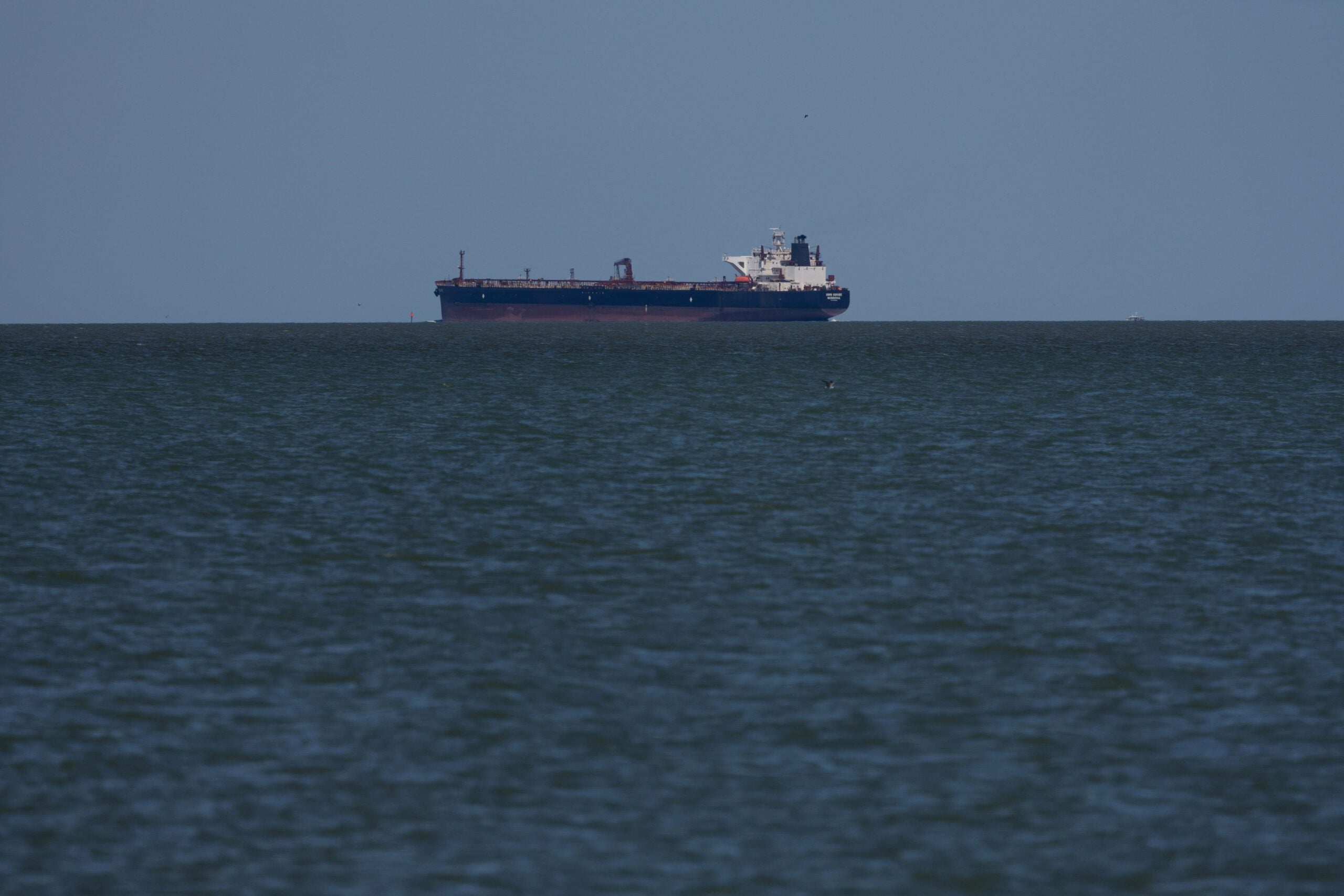
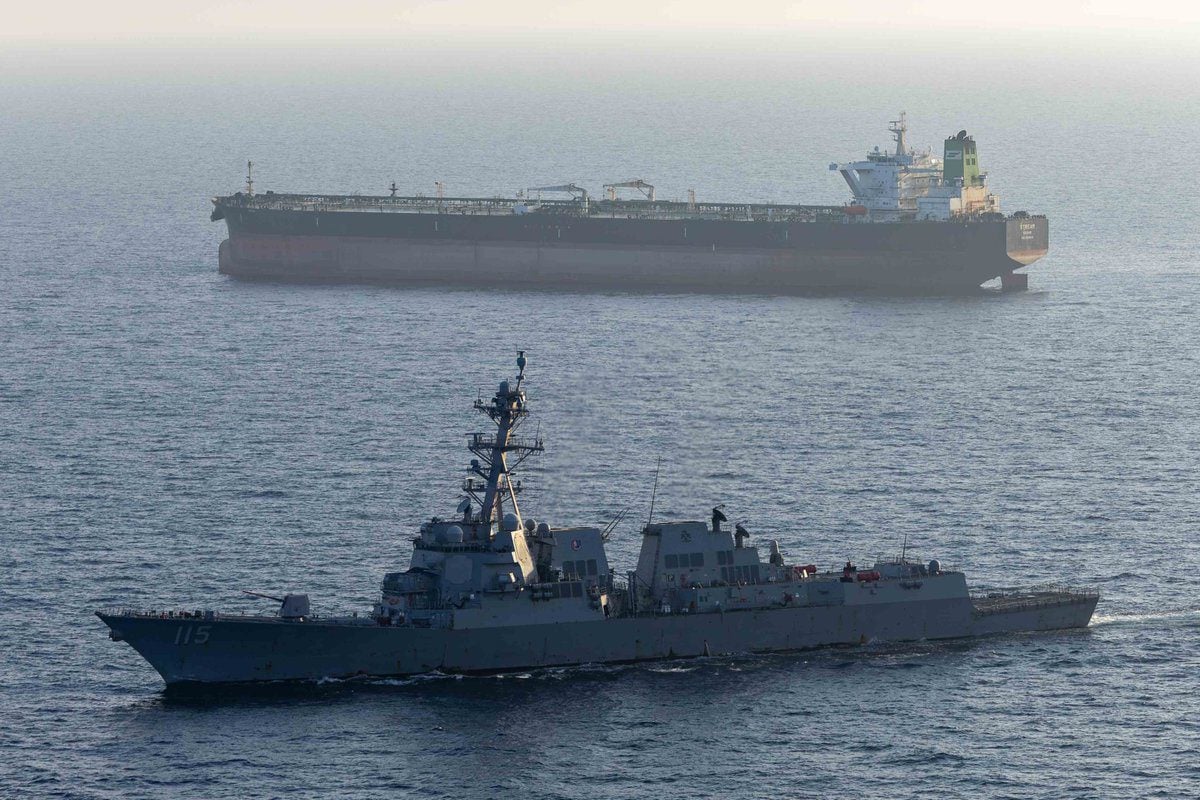
In an October 16 letter to Homeland Security Secretary Markwayne Mullin, first reported Monday by Bloomberg Government, Carbajal raised concerns about the administration’s oversight of the waiver, particularly following reports that foreign-flagged tankers had transported millions of dollars worth of petroleum products between U.S. ports without making required disclosures.
The letter follows reporting by gCaptain in September that identified evidence of 14 previously unreported domestic tanker voyages, plus a possible 15th, expanding on an earlier Bloomberg Government investigation that found at least a dozen foreign vessels had moved more than $40 million in petroleum products without appearing in the Maritime Administration’s (MARAD) public waiver records.
The missing voyages raised questions about how much foreign-vessel activity was actually taking place under the emergency waiver. A gCaptain review of MARAD’s September 16 data counted 255 reported movements under the original March 17 waiver and its May extension, but the additional voyages suggested that figure was incomplete.
MARAD previously told Bloomberg Government that it lacks the legal authority to compel vessel operators to submit the required reports. Enforcement of the Jones Act falls to U.S. Customs and Border Protection (CBP), which operates under DHS.
Carbajal, the ranking Democrat on the House Transportation and Infrastructure Committee’s Coast Guard and Maritime Transportation Subcommittee, is now seeking answers about whether other federal requirements are being enforced.
“These reports raise significant questions about whether DHS and its component agencies are adequately enforcing federal law with respect to foreign vessels operating in U.S. domestic commerce,” Carbajal wrote.
One concern involves the immigration status of foreign seafarers working aboard vessels making domestic voyages.
Federal immigration regulations generally prohibit foreign crewmembers admitted under D nonimmigrant status from working in connection with domestic vessel movements.
Carbajal asked DHS and CBP to explain how they are applying that restriction to foreign officers and crewmembers aboard ships operating under the waiver, and what legal authority permits them to work on those voyages.
He also requested information about any cases in which crewmembers were found to have immigration status inconsistent with domestic service, or had absconded from their vessels, along with any resulting enforcement actions.
The letter also raises tax questions following recent Internal Revenue Service guidance clarifying that income earned by foreign corporations transporting cargo between U.S. ports under the waiver is considered domestic-source income and does not qualify for the international shipping income exclusion under Section 883 of the Internal Revenue Code or related treaty benefits.
Carbajal wants to know whether DHS has coordinated with the Treasury Department and IRS to identify foreign vessel owners, operators and charterers using the waiver, including whether agencies have shared voyage dates, cargo movements and other information needed to determine potential tax obligations.
He also requested details on DHS enforcement of other requirements covering maritime security, environmental protection, vessel safety and inspection, wages, labor and employment, customs and harbor maintenance.
The latest questions come as the administration has tightened the waiver process. A second 90-day extension, which took effect August 17, requires operators to first submit a Vessel Availability Request so the government can determine whether a qualified U.S.-flagged vessel is available before authorizing foreign tonnage.
Carbajal said publicly available information indicates that more than 25 domestic voyages have been completed under the current waiver, including multiple voyages by some vessels.
The waiver was originally issued in March amid energy supply disruptions stemming from the war with Iran. The current extension runs through November 15.
“The Administration has now authorized the waiver for an aggregate period of approximately 250 days, making oversight particularly important,” Carbajal wrote.
“Congress has a responsibility to ensure that a national-defense waiver is not being treated as a broader exemption from federal law.”
Carbajal requested a response by October 31, including details about coordination between DHS and the Departments of Defense, Transportation and Treasury, the IRS and Coast Guard.
According to Bloomberg Government, DHS declined to comment and referred questions to the Department of Defense, which did not respond to a request for comment.

 Join The Club