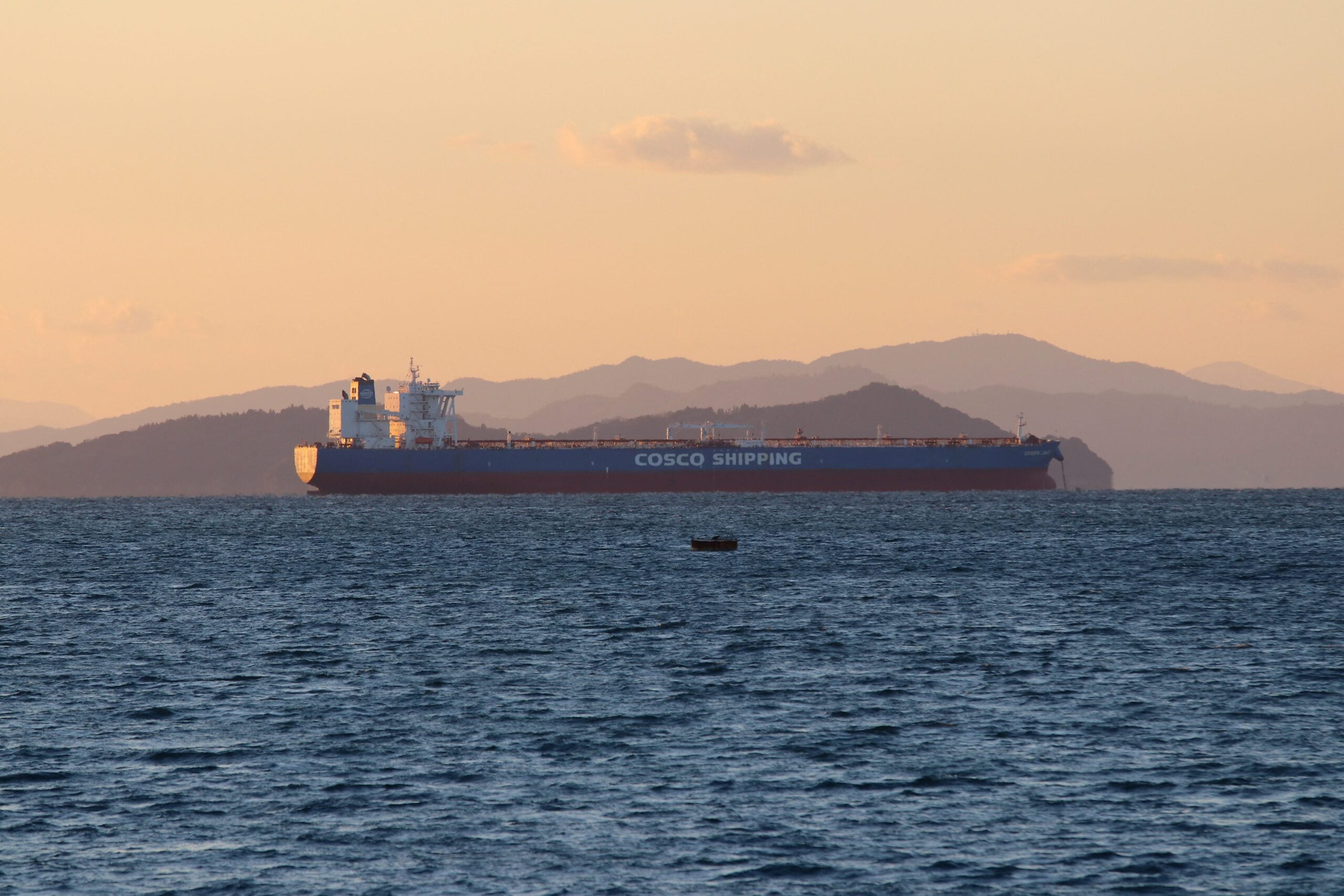
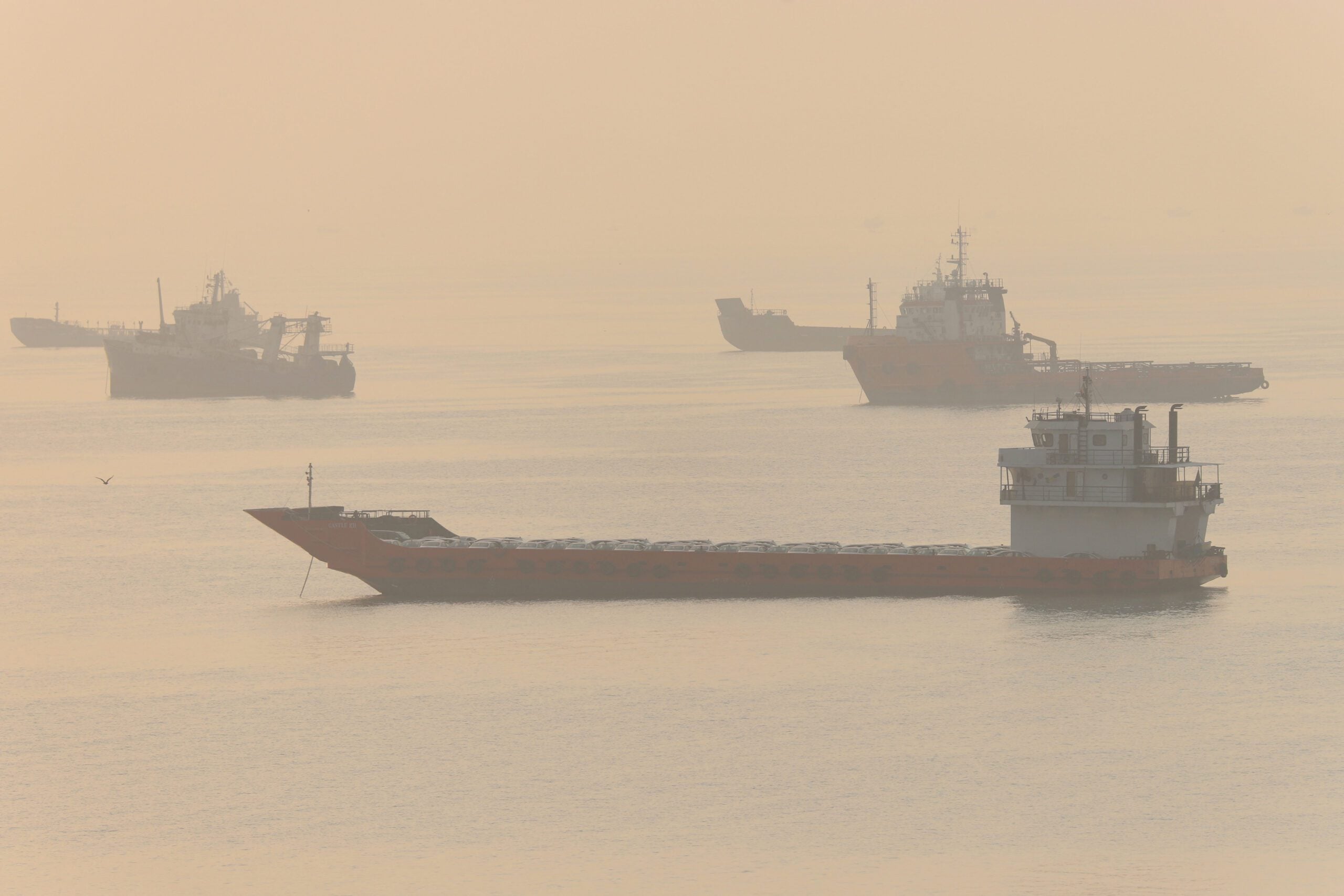
(Bloomberg) — A large cluster of oil tankers laden with Iranian crude are idling off eastern Malaysia, as Chinese independent refiners remain largely absent from the market despite deeper price discounts.
Cargoes of Iranian Light are being offered at a discount of around $5 a barrel to ICE Brent, compared with about $2.50 two weeks ago, according to traders who participate in the market. Shipments are for delivery next month.
China’s independent refiners, known as teapots, are the biggest buyers of Iran’s crude but they have reduced processing rates well below seasonal levels due to razor-thin margins. That’s led to Iranian crude at sea in Asia swelling by 60% to 24.4 million barrels since the US naval blockade was reimposed in mid-July, according to figures compiled by data intelligence firm Kpler.
The largest concentration of tankers laden with Iranian oil is near the Singapore Strait off Malaysia’s eastern coast, according to Kpler, a common staging area known as the East of Port Limits for vessels conducting ship-to-ship transfers. Once a cargo has been transferred, it’s typically transported to China.
Teapots in Shandong province, home to most of China’s independent oil refiners, were running at just over 48% of capacity as of July 24, according to consultant Mysteel OilChem. That compares with the five-year seasonal average of close to 60%. Margins have recovered after plunging through April and into May after Beijing ordered fuel production at all costs, but still remain in the red.
Overall, the total volume of Iranian crude on the water has remained broadly steady since the renewed blockade at more than 130 million barrels, according to Kpler and Vortexa. That includes laden tankers within the Persian Gulf that haven’t been able to exit. Empty Iranian vessels are also being disrupted.
The US blockade “is disrupting the logistics cycle, as many Iranian-flagged tankers at the EOPL are now also unable to return to Iran to reload,” said Charlie Brown, an adviser to nonprofit group United Against Nuclear Iran. That limits “Tehran’s ability to replenish those offshore stocks,” he added.
© 2026 Bloomberg L.P.

 Join The Club