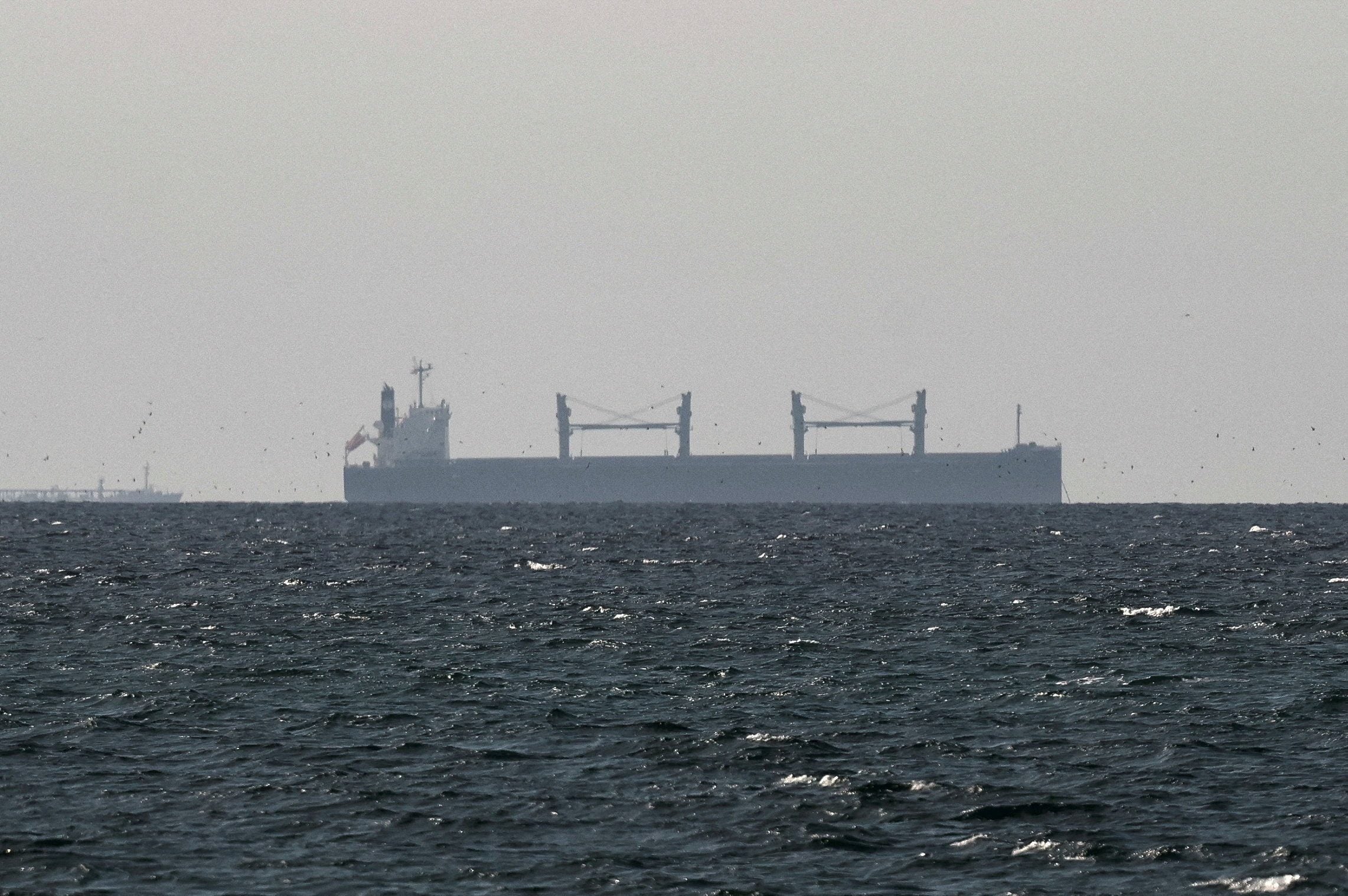
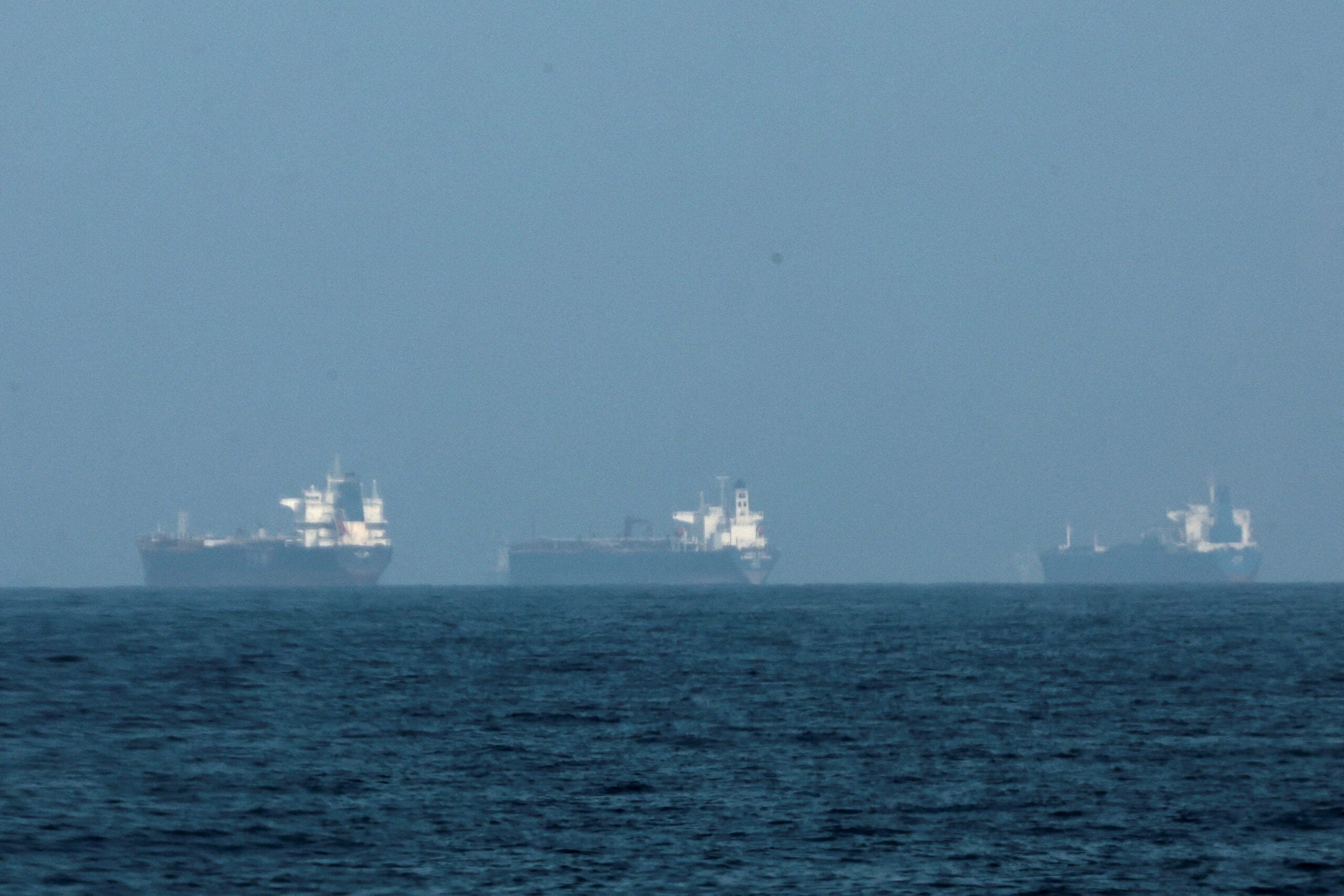
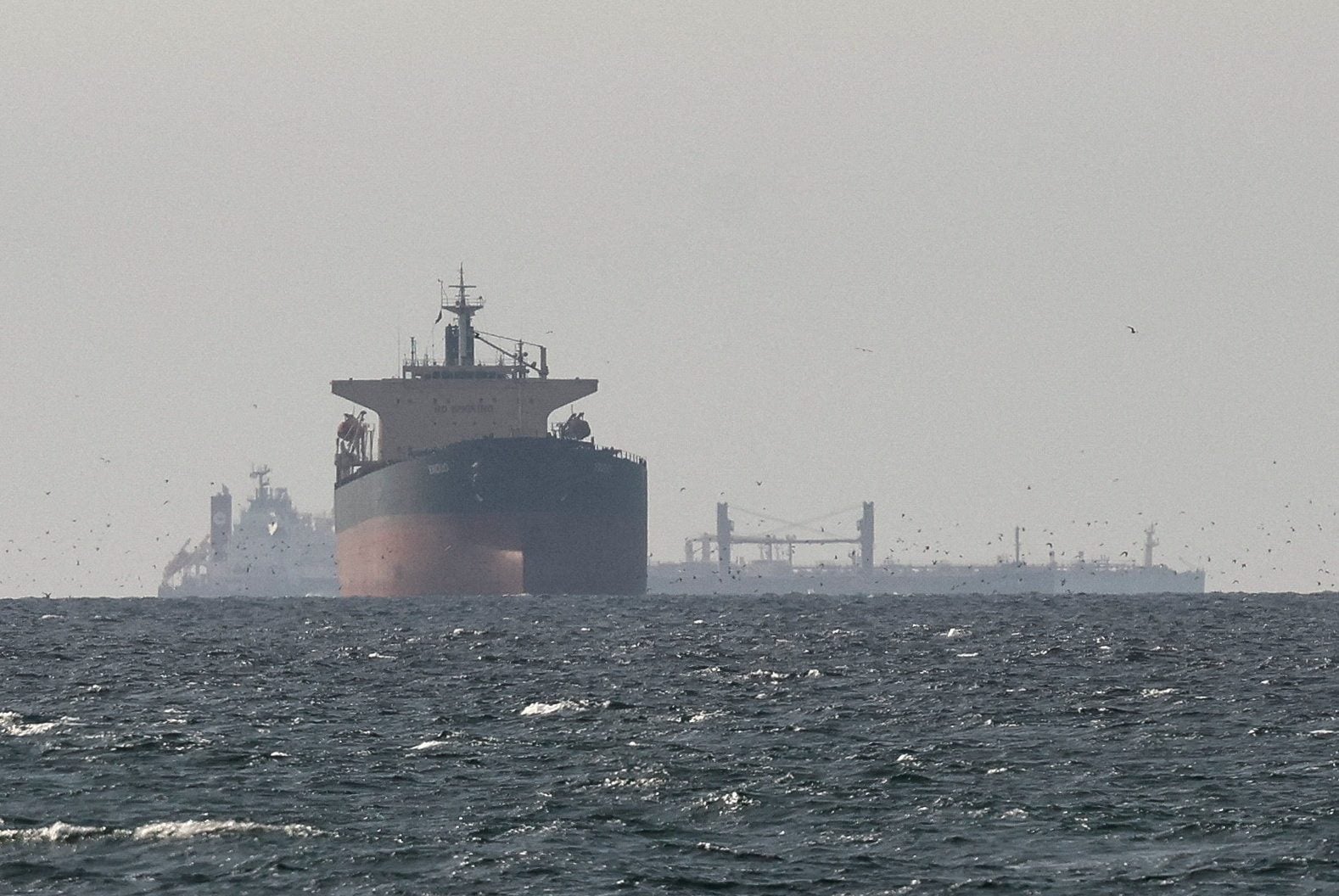
Iran has indicated to the United Nations that so-called “non-hostile vessels” may continue transiting the Strait of Hormuz, but only if they comply with Iranian security requirements and coordinate directly with its authorities, according to an an official statement from Tehran to the United Nations.
The statement, submitted to the UN Security Council, outlines what appears to be an emerging framework for conditional access to one of the world’s most critical shipping chokepoints as the conflict in the Middle East enters its fourth week. The statement also marks the regime’s clearest indication yet that it views access to the critical waterway as conditional and subject to Iranian oversight.
“Non-hostile vessels… may—provided that they neither participate in nor support acts of aggression against Iran and fully comply with the declared safety and security regulations—benefit from safe passage through the Strait of Hormuz in coordination with the competent Iranian authorities,” the statement reads.
Iran’s definition of “non-hostile” is also explicit. Vessels linked to the United States or Israel—or those deemed to support “acts of aggression”—do not qualify for safe passage. In the same statement, Tehran said responsibility for instability in the waterway “rests squarely with the United States and the Israeli regime.”
While Iran maintains the strait “remains open,” it also ties full maritime security to “the cessation of military aggression” and respect for its “legitimate rights and interests.”
Traffic through Hormuz has already slowed to a fraction of normal levels, and vessels that do attempt the passage are increasingly adjusting routes—either avoiding the area entirely or transiting along paths closer to Iran’s coastline.
The statement reinforces growing evidence that Iran is increasingly acting as the de facto regulator of traffic through the Strait of Hormuz. AIS data reviewed by gCaptain shows a containership reversing course near the entrance to the strait after departing the UAE. Iran’s Islamic Revolutionary Guard Corps later said the vessel had failed to obtain permission to transit, underscoring that access is now being actively enforced.
At the same time, separate reporting indicates some vessels have been asked to pay ad hoc transit fees of up to $2 million per voyage, effectively introducing an informal toll layered onto the emerging permission-based regime.
Taken together, the policy, enforcement actions, and reported toll demands point to a clear shift: the Strait of Hormuz is no longer functioning as an open transit corridor, but as a controlled gateway where passage is increasingly conditional, coordinated, and, in some cases, paid for.
Editorial Standards · Corrections · About gCaptain

 Join The Club