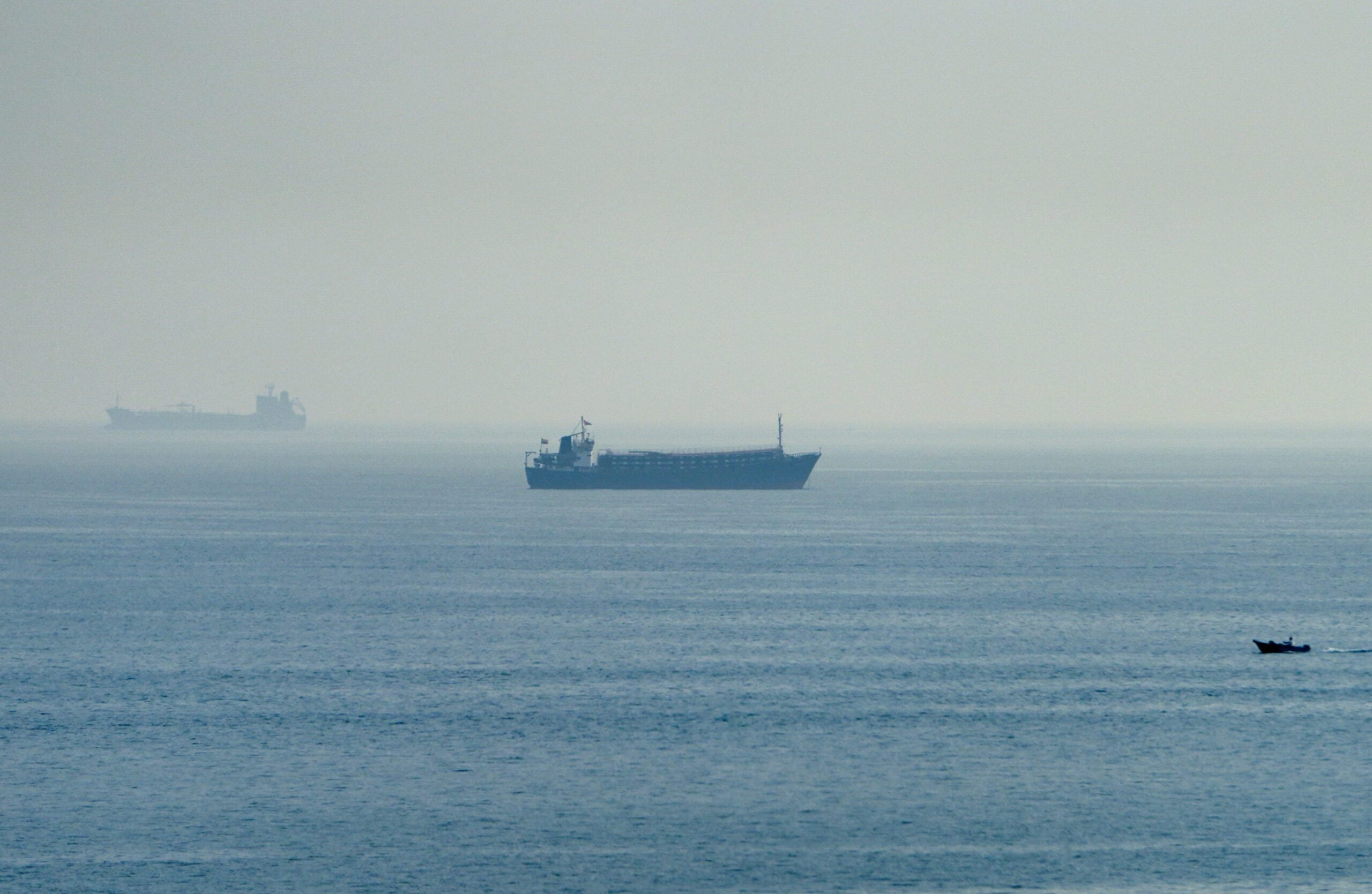
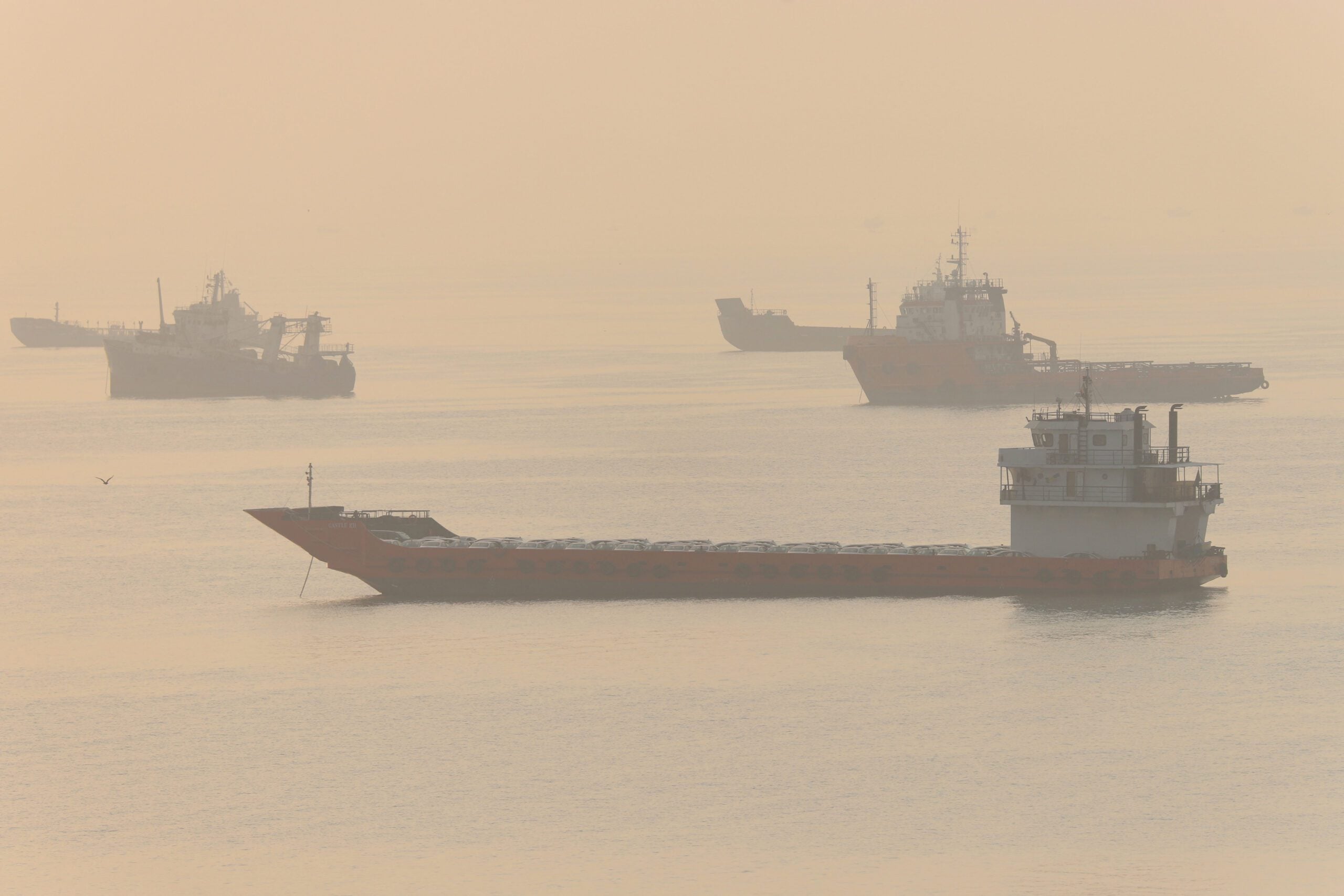
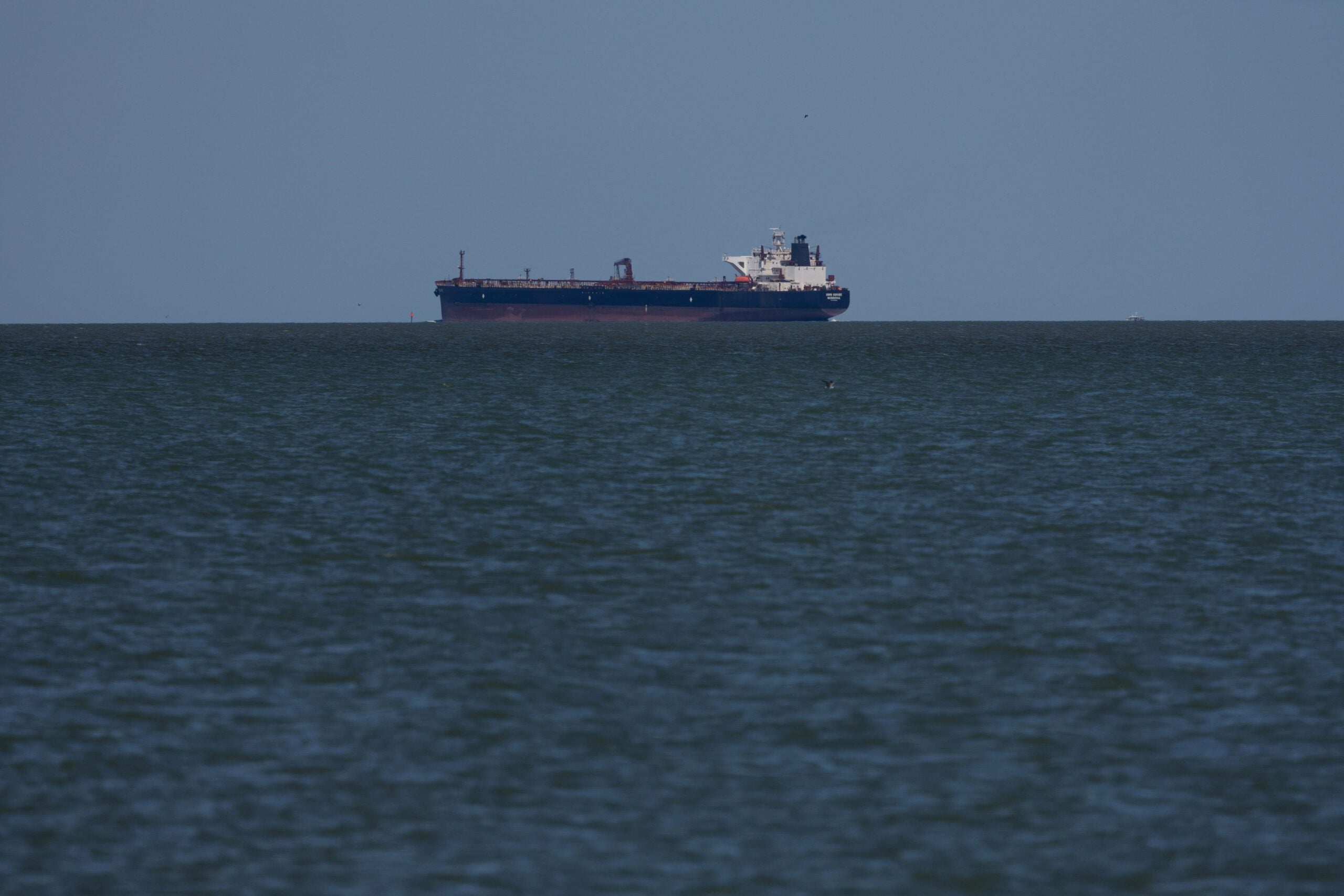
(Bloomberg) — Iranian attacks in the Persian Gulf are striking more ships and causing more severe damage than earlier in the conflict, bringing fresh risks to energy flows from the region.
At least 23 incidents involving ships attacked in or near the Strait of Hormuz were logged in the first two weeks of October, with at least five reporting impacts to their engine rooms, according to data from naval groups in the region and alerts from security consultants. Direct hits on engine rooms can cause fires and leave ships without power or propulsion, taking vessels out of service for months and leading to costly repairs.
Middle Eastern producers have shown a willingness to keep supplying oil in the face of Iranian attacks — preliminary data from trade intelligence company Kpler put the seven-day average of Middle East oil exports fractionally above prewar levels. But the intensifying strikes threaten to worsen one of the biggest constraints in the global oil market: the number of available ships.
Several shipping and maritime security officials, speaking on condition of anonymity because of the sensitive nature of the topic, said they were seeing increased levels of engine-room damage from attacks, as well as a larger volume of incidents in general, but that it was hard to say if Iran was deliberately targeting ship engines.
“What we’re seeing is an increase in the frequency of attacks, and therefore, more damage in engine rooms and disabling fire,” said Phillip Belcher, marine director at Intertanko, the world’s main trade group for the tanker industry.
Persistent strikes on engines invoke memories of the 1980s Tanker War, when Iraq and Iran targeted oil tankers’ engine rooms in an effort to disable them. Some attacks caused fires and explosions that ultimately sank vessels. Dozens of damaged or sunken ships remained in the northern Gulf for years after.
At least two recently-hit vessels sank last week, including a container ship that was struck in Hormuz. After the container ship sank, Pakistan’s Hydrographic Services said there were containers floating adrift near the United Arab Emirates.
There were no attacks leading to engine damage in September, according to the data, and at least seven on non-Iranian vessels in previous months. When enforcing its blockade on Iranian ships, the US has also targeted engine rooms in order to disable vessels.
Iran has recently begun using more missiles, rather than drones, to hit vessels, the shipping and maritime security officials said. Infrared-guided missiles tend to steer towards hotter parts of the ship, and often have larger explosive payloads than drones.
For now, flows are continuing through the Strait of Hormuz, though estimates vary. US Energy Secretary Chris Wright said on Sunday that shipments are at about 80% of normal levels, and Iraq said Monday that its own exports are approaching prewar levels. But attacks on engine rooms will do little to draw owners back to Hormuz, and ships that come under attack remain out of action for longer as they undergo repairs.
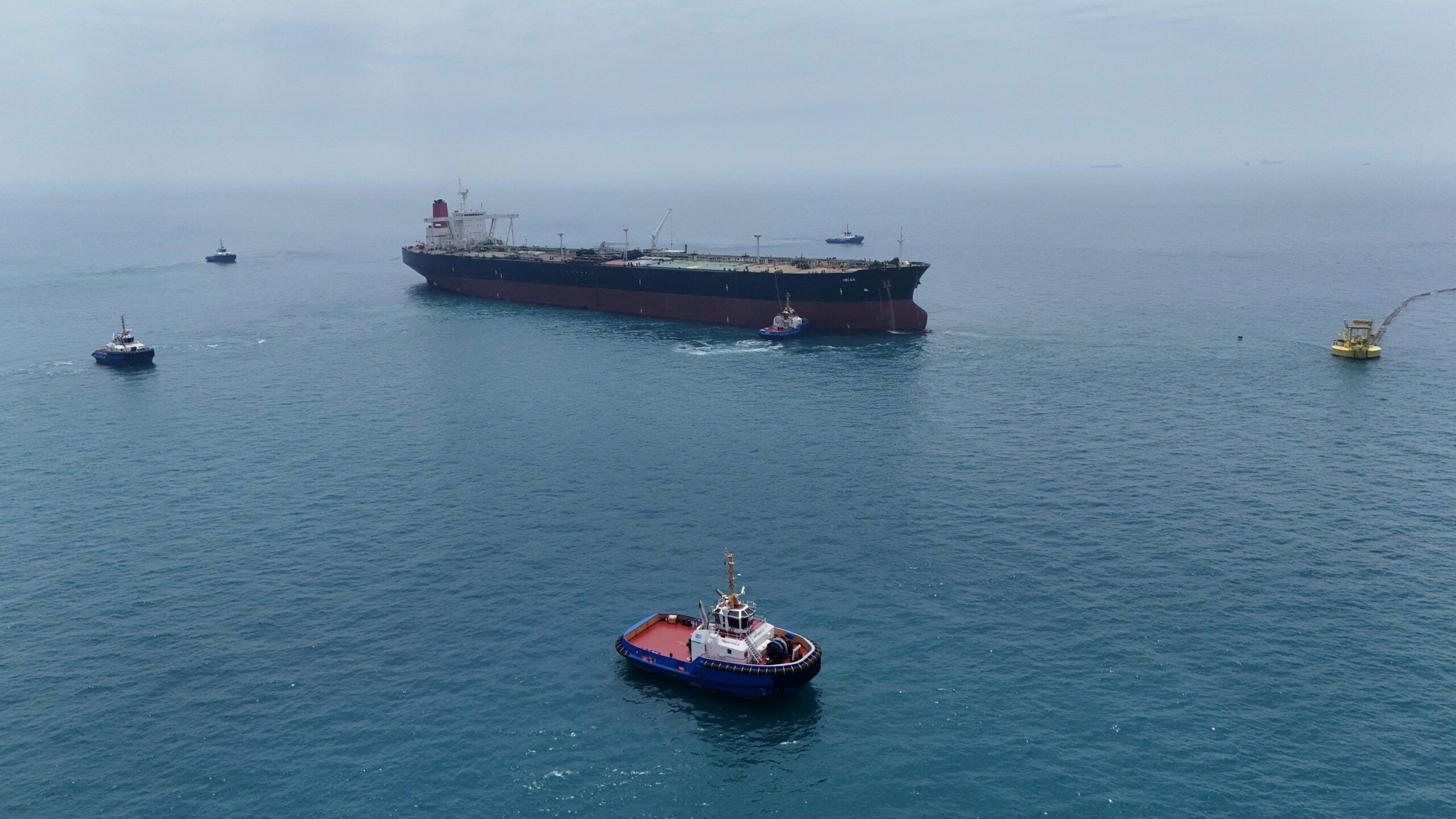
That could further restrict the number of tankers available to carry barrels, and push up the price of transporting energy. For a few days this month it was more expensive to hire a supertanker in some parts of the world than it was to send a rocket into space.
“In a region where few owners are willing to put ships in, every VLCC hit is material,” analysts at Oil Brokerage Ltd. said in a note on Oct. 19, referring to very large crude carriers.
Risks to the seafarers employed by shipping companies to sail through the region are also growing. One recent attack on a bulk commodity carrier struck the bridge and accommodation area where crew sleep, according to a report from the Joint Maritime Information Center, which distributes information on maritime security in the region.
“Attacks often focus on the engine room or the bridge of the ships as it maximizes damage while keeping the risk of an oil spill relatively low,” said Jakob Larsen, chief safety and security officer at Bimco, the world’s largest shipping trade group. “Sadly, there are significant risks of crew injuries when these areas of the ship are hit.”
© 2026 Bloomberg L.P.

 Join The Club