(Bloomberg) — Iran said it rejected a US ceasefire proposal and maintained attacks on Israel and Gulf Arab states, delivering a blow to Washington’s efforts to end a war that’s wreaked havoc across the Middle East and global markets.
A move by US President Donald Trump to start indirect talks is illogical and not viable at this stage of the conflict, Iran’s semi-official Fars news agency reported on Wednesday, citing informed sources it didn’t identify.
Iran is focused on achieving its objectives and only if those are met will an end to the war — not a ceasefire — be possible, Fars added.
The US has compiled a 15-point peace proposal, which Pakistan delivered to the Islamic Republic, according to people familiar with the matter, highlighting urgency within Trump’s administration to resolve a conflict it started alongside Israel almost a month ago.
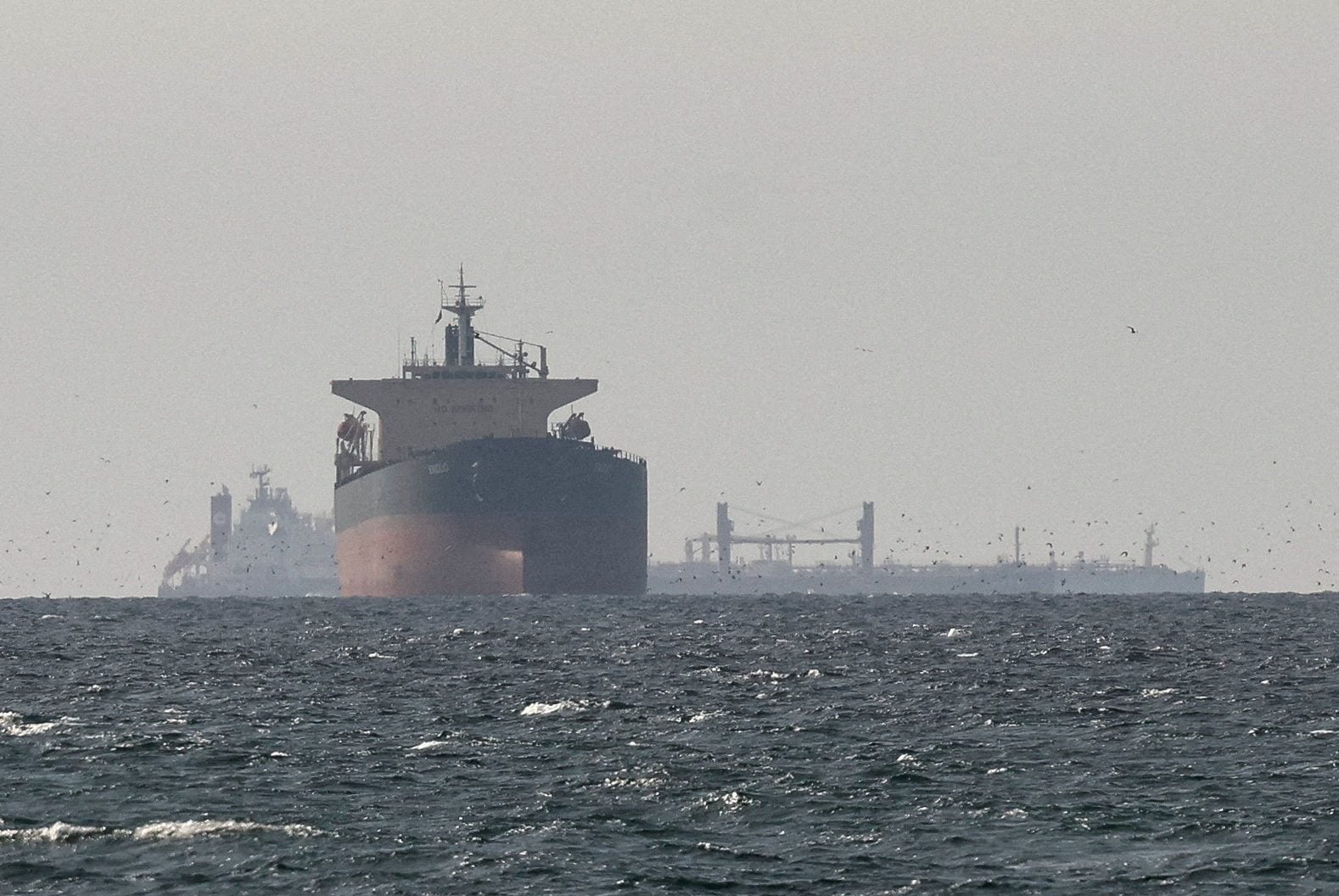
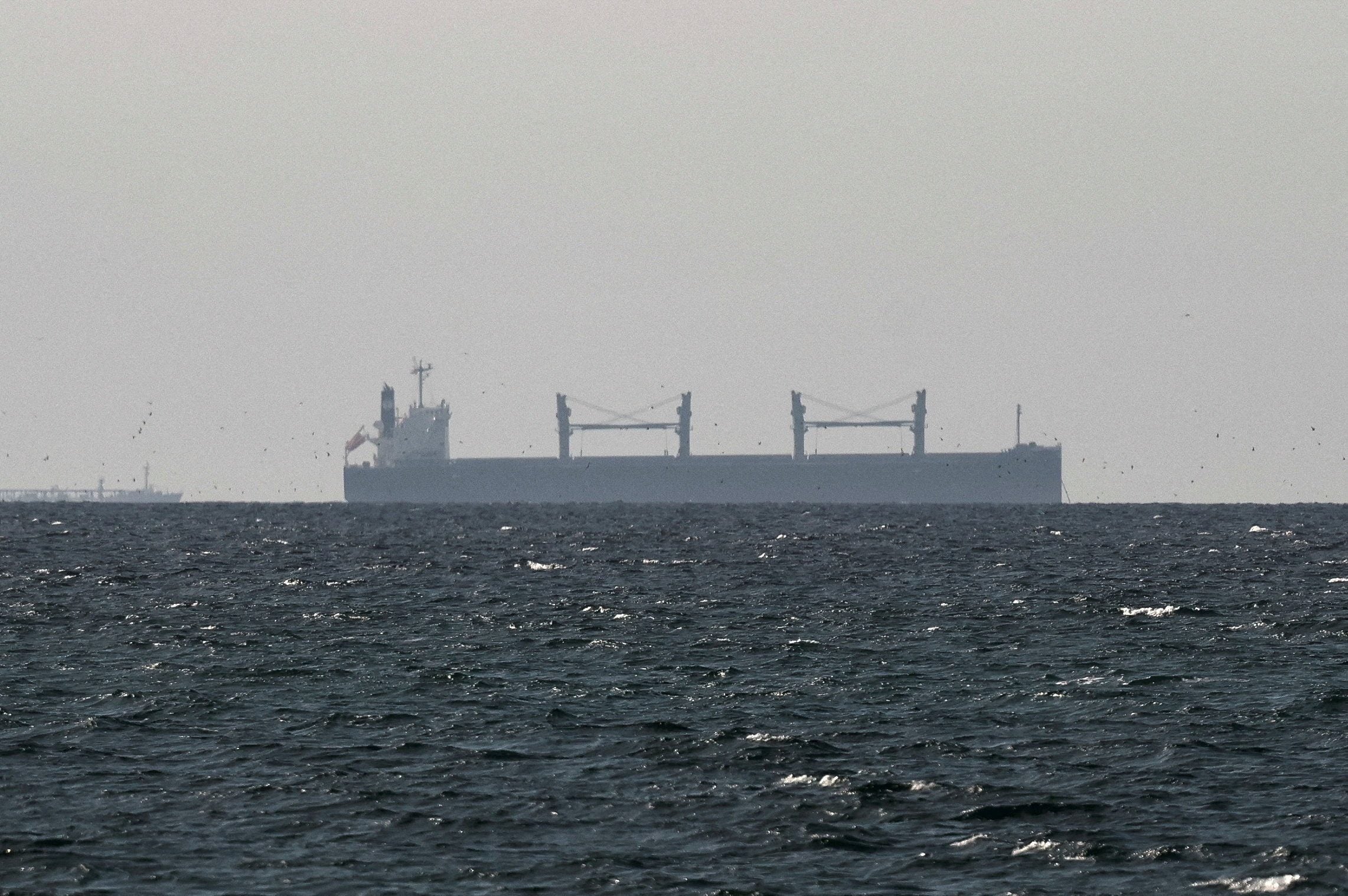
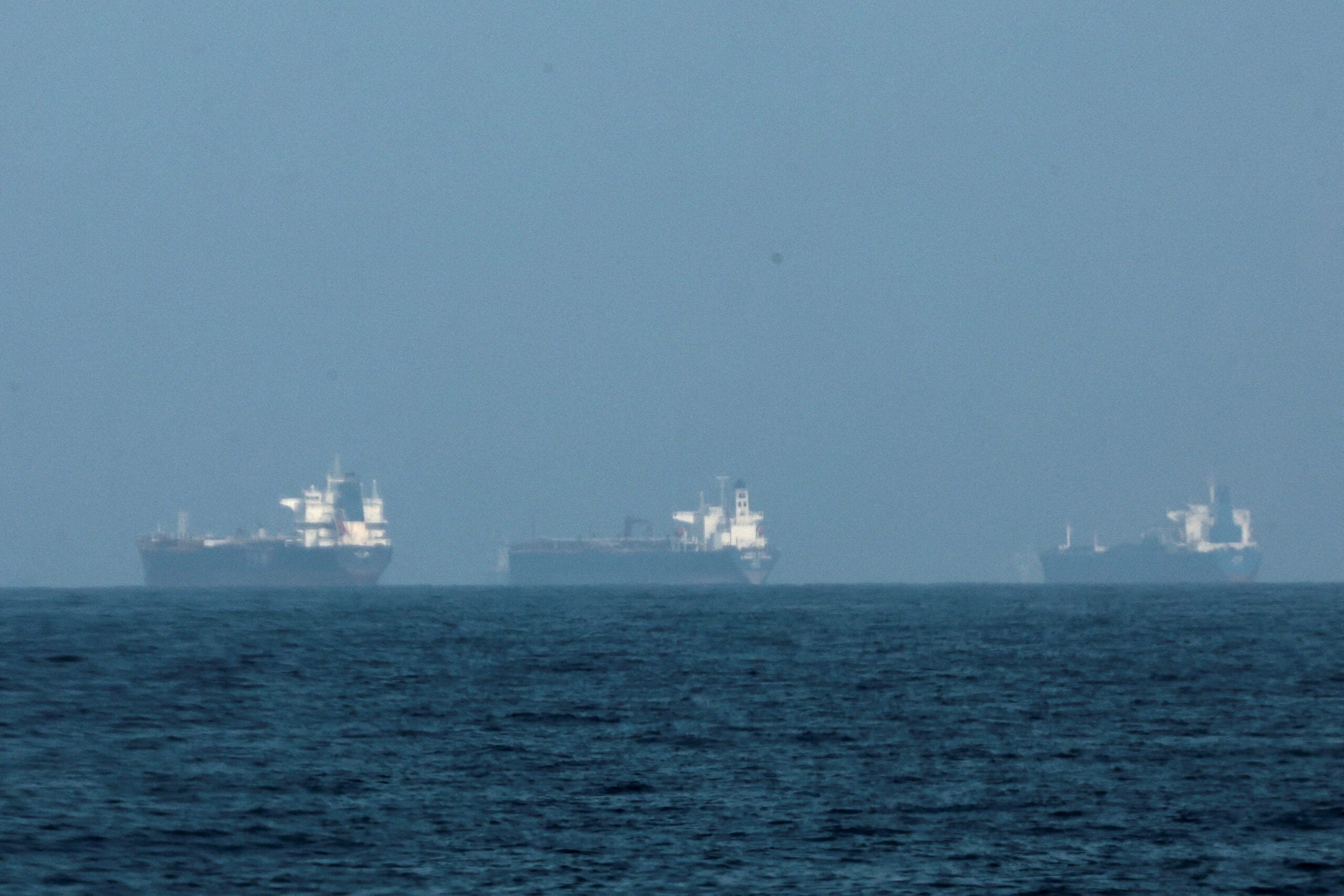
Brent crude prices rose to near $100 a barrel after the Fars report, as hopes faded of a quick resolution to the conflict. Iran has effectively shuttered the Strait of Hormuz, a conduit for about a fifth of the world’s oil and liquefied natural gas, triggering a global supply shock. That’s sparked fears of an inflation crisis and worldwide food shortages.
Iran maintained its missile and drone strikes on Wednesday, and shows little sign of backing down in the face of a relentless Israeli and US bombardment. Iranian media said the country fired more missiles at Israel, while Saudi Arabia intercepted a drone in the east of the country. A strike targeting Kuwait set ablaze a fuel tank at its main airport.
The US proposal covers a rollback of Iran’s nuclear program — including a resumption of monitoring by the International Atomic Energy Agency — limits on missiles and access for shipping through the Strait of Hormuz, the Associated Press reported. Iran would get relief from stringent economic sanctions.
Trump has publicly signaled any peace agreement would have to include a prohibition on Iran ever obtaining a nuclear weapon or enriching radioactive material for civilian purposes. He’s repeatedly said this week that Iran wants to “make a deal.” Play Video
The US leader has said he hopes to reach an agreement by Friday. That may be difficult given the wide gaps that remain between the sides, even if talks get officially underway. It’s unclear who the US would negotiate with, given a lack of clarity about Iran’s power structure following the killing of Supreme Leader Ali Khamenei on the first day of the conflict. Several other leading government and military officials have also been killed.
On Monday, Axios identified Mohammad-Bagher Ghalibaf, Iran’s speaker of parliament, as the likely front man for talks, though he denied negotiations have taken place.
“We are closely monitoring all US movements in the region, especially troop deployments,” Ghalibaf posted on X on Wednesday. “Do not test our resolve to defend our land.”
There’s also little clarity over whether Iran will immediately allow commercial ships safe passage through the Strait of Hormuz, as well as how Israel would respond to any deal.
The New York Times first reported on the existence of the 15-point document. The White House didn’t immediately respond to a request for comment late Tuesday night.
It is unclear if Israel, which triggered the war alongside the US with strikes on Iran on Feb. 28, has signed off on Trump’s overtures. Israeli officials have said they’ll continue striking Iran for now.
Israeli Prime Minister Benjamin Netanyahu has asked close confidant Ron Dermer to monitor the US-Iranian negotiations and make sure the Jewish state’s interests are upheld. The appointment signals how seriously Netanyahu views the talks and how his government is wary of the US opting for a deal that undermines Israel’s security.
Iran has previously demanded reparations and pledges from the US and Israel that they won’t attack the Islamic Republic again as conditions for ending the current conflict.
Gulf states such as Saudi Arabia and the United Arab Emirates are considering joining the war against Tehran, according to several people with knowledge of the situation. They would only do so if the Islamic Republic attacks vital power and water infrastructure — a high threshold, the people said.
Turkey, meanwhile, is conducting intense diplomacy to try and prevent Gulf Arab countries from becoming involved, according to people familiar with the matter.
Steve Witkoff and Jared Kushner, two of Trump’s special envoys, as well as Secretary of State Marco Rubio, have been involved in the negotiations with Iran, according to the president.
Despite the talks, Trump has ordered thousands of troops to the Middle East as he weighs options for ending Iran’s stranglehold on the Strait of Hormuz, a crucial shipping corridor for oil, natural gas, metals and other commodities.
The president boasted Tuesday that the US is in “a good bargaining position” after weeks of strikes that he says have taken out Iranian missiles, launchers and ships.
Yet, in the US, Asia and around the world, the conflict has led to surging fuel and fertilizer prices, with commercial tankers avoiding crossing the strait and Iranian attacks damaging energy infrastructure.
Iran’s growing control over Hormuz has been emphasized by it starting to charge transit fees for some commercial vessels. Payments of as much as $2 million per voyage are being sought on an ad hoc basis, effectively creating an informal toll on the waterway, according to people familiar with the matter.
More than 4,300 people have been killed in the conflict, according to governments and non-government agencies. Around three-quarters of the fatalities have been in Iran, while more than 1,000 people have died in Lebanon, where Israel is fighting a parallel war against Iran-backed Hezbollah militants. Dozens have been killed in Israel and Arab Gulf states.
© 2026 Bloomberg L.P.
Editorial Standards · Corrections · About gCaptain
This article contains reporting from Bloomberg, published under license.

 Join The Club