(Bloomberg) — Iran’s military said it reached a revenue-sharing agreement with Oman on the Strait of Hormuz, as Tehran and Washington’s standoff over control of the crucial waterway continues.
“Agreements have been reached regarding each country’s share of the strait’s waters as well as Iran and Oman’s share of its revenues,” the Islamic Revolutionary Guard Corps’ spokesman Hossein Mohebbi said on Wednesday, according to the state-run Sepah News agency.
“The US is obstructing this process, causing progress to be delayed,” he said, without elaborating.
The comments by the IRGC go further than a joint statement issued by the two countries’ foreign ministries on Tuesday, which said they discussed an “interim framework” for resuming ship transits but stopped short of announcing an agreement and didn’t mention fees. Iran has also cautioned that a re-opening of the strait will take more than a deal with Oman.
Neither country’s foreign ministry responded to a request for comment.
Security over the waterway and wider Persian Gulf is at the heart of a conflict that’s imperiled maritime traffic since the US and Israel launched the war on Iran on Feb. 28.
On Wednesday, US President Donald Trump repeated a claim that “the mines are gone,” telling the Glenn Beck Program that “the strait is open. We take a lot of ships through the strait now,” adding that some 10 million barrels made the passage yesterday.
Iran has rejected Trump’s assertions and said the locations of the explosives were only known to officials in the Islamic Republic. Last week, the head of the International Maritime Organization said that the strait was not open and that there was no confirmation that mines had been removed.
The IRGC statement comes after the US said earlier this week it would toughen sanctions on Iran’s economy in its latest bid to weaken the country and force its surrender. Iranian President Masoud Pezeshkian dismissed the efforts on Wednesday and said they’d ultimately fail.
Still, the stalemate continues to throttle both shipping in the Persian Gulf and Iran’s access to goods and vital foreign currency revenues from oil exports, testing the Islamic Republic’s resilience at a time when its population is already under major financial strain.
Iranian officials have repeatedly warned that a deal with Oman on the strait’s navigation would not equate to an immediate re-opening of the waterway, which served as a conduit for a fifth of the world’s oil and liquefied natural gas before the conflict started nearly six months ago.
Tehran has said any normalization of traffic would hinge on the US complying with the terms of a memorandum of understanding signed in June, including lifting sanctions and a naval blockade on its ports, as well as unfreezing Iranian assets abroad — none of which the US has signaled it’s ready to do.
Yet, talks between Tehran and Muscat have helped temper oil prices in recent weeks as the market looks for any signs that shipping in the Strait of Hormuz could ease in the near future. Brent crude traded above $88 a barrel, down about 7% this week.
They “represent the most constructive development around Hormuz for some time,” said Arne Lohmann Rasmussen, chief analyst at A/S Global Risk Management. “A temporary shipping corridor is still a long way from a normal reopening. However, this does not change the fact that market sentiment has turned and that, in the short term, oil prices are headed lower.” Play Video
The 60-day interim ceasefire that lapsed earlier this month suffered repeated breaches from early on as the US and Iran clashed over control of the strait. An agreement to ease traffic through the chokepoint would likely help pave the way for a resumption of talks on a more permanent end to the conflict.
Iran started charging some vessels transit fees in the early weeks of the war, according to people familiar with the matter, but later pivoted to framing charges as service fees.
Oman told the IMO that it opposes the imposition of transit fees in the Strait of Hormuz, but has privately warned some European officials that vessels may have to pay for related services, Bloomberg reported in June.
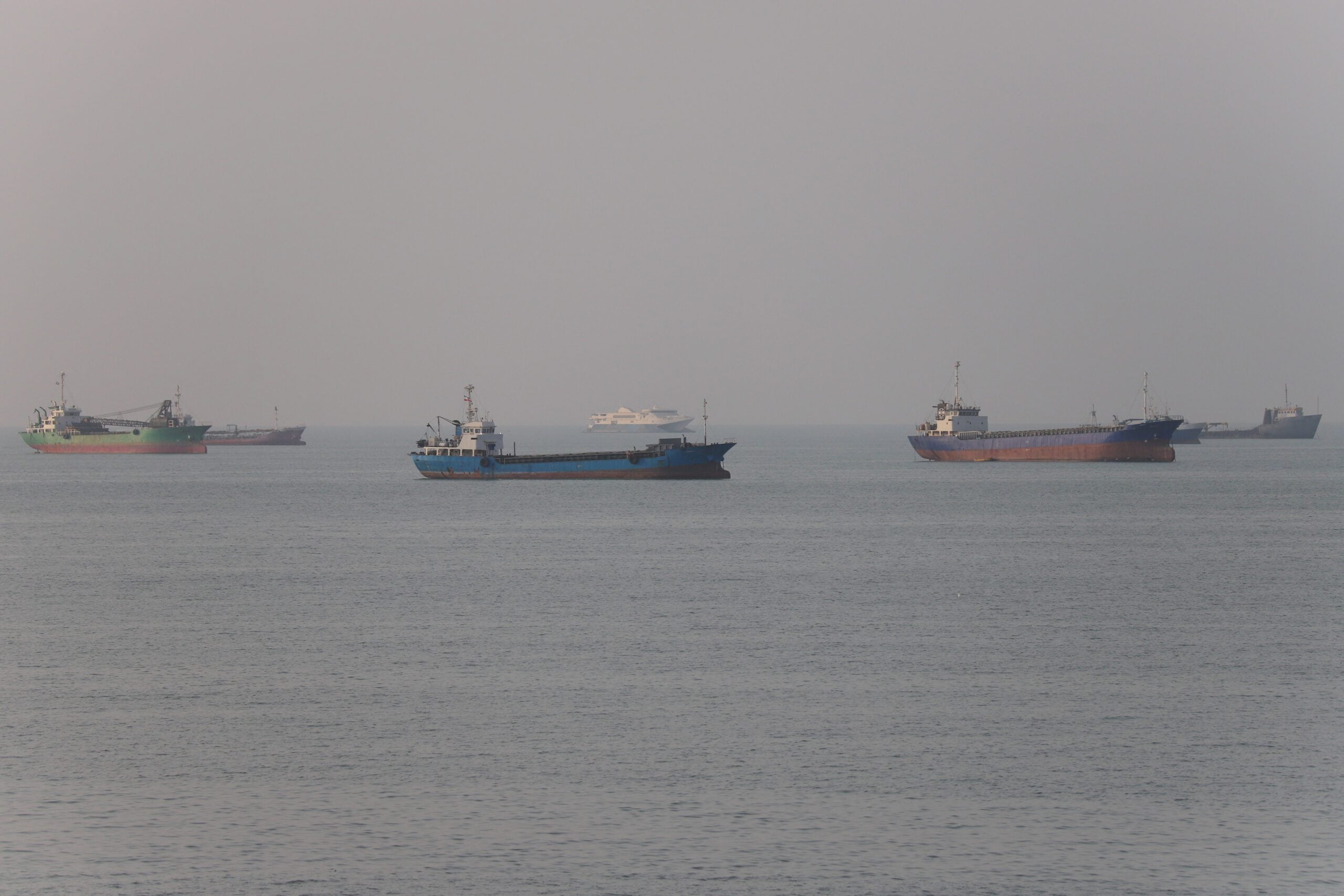
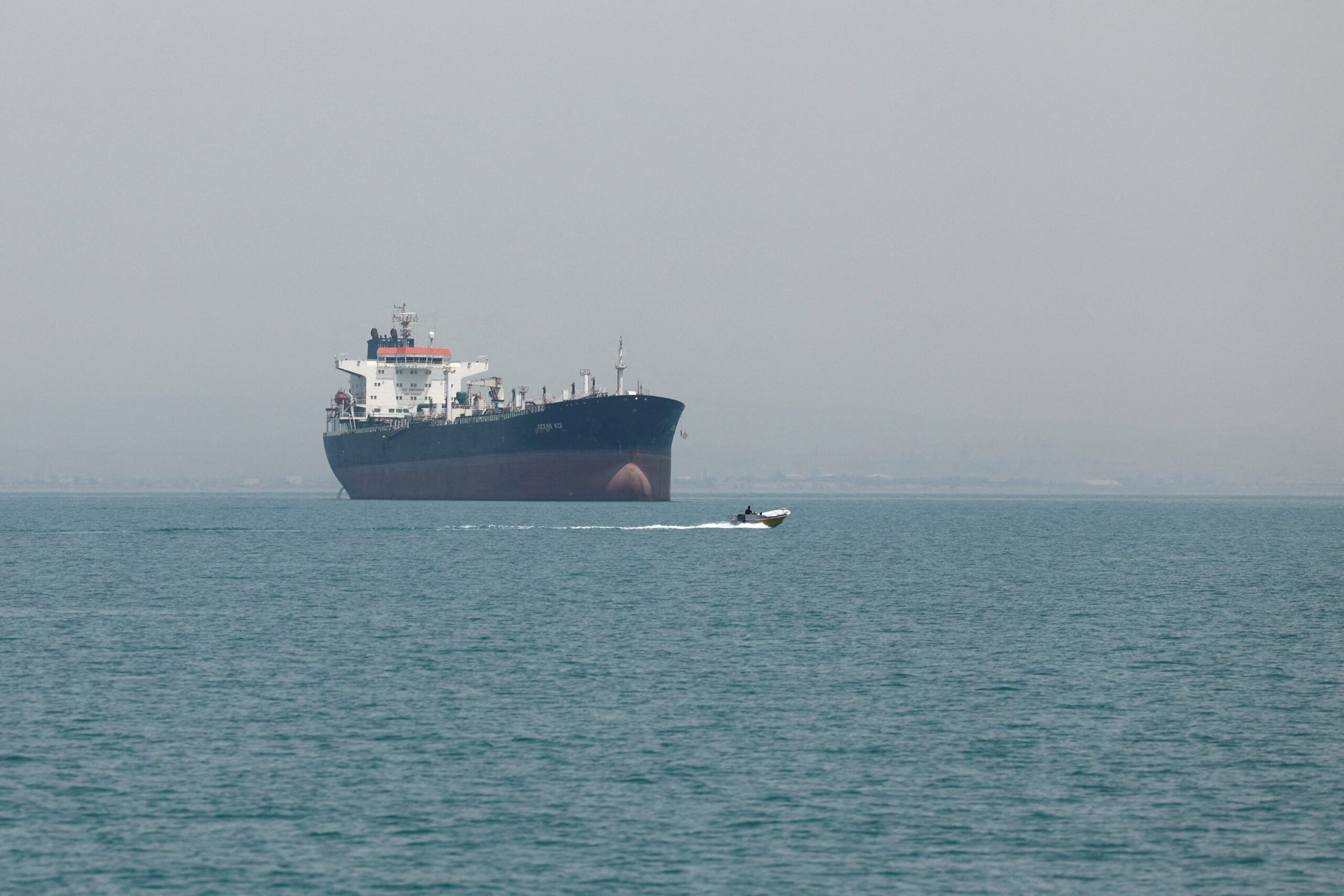
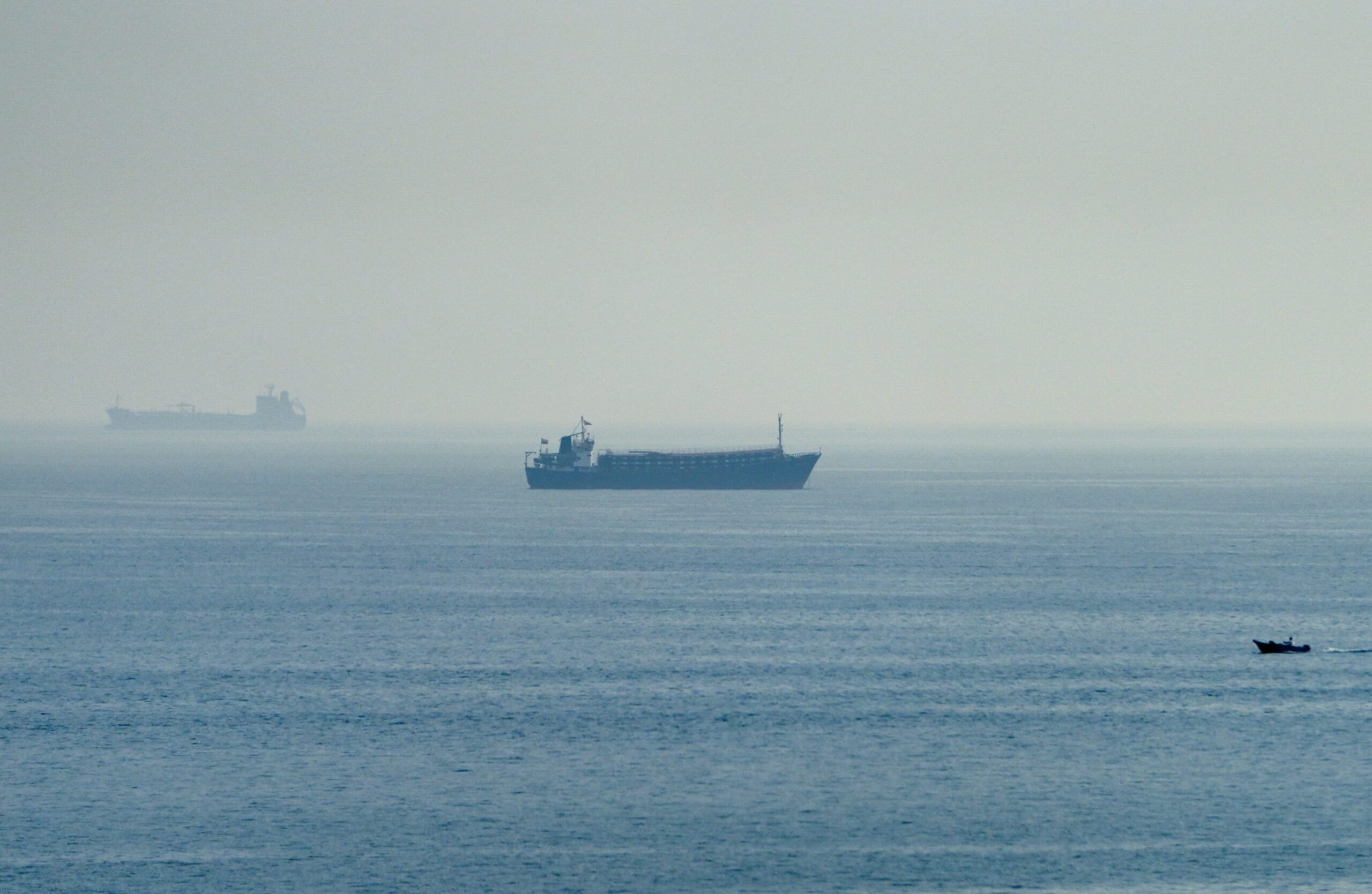
The Strait of Hormuz has remained largely closed since the US and Israel launched the war against Iran, although some vessels are still making the crossing, allowing millions of barrels a day to escape the waterway even as attacks on ships have continued.
© 2026 Bloomberg L.P.

 Join The Club