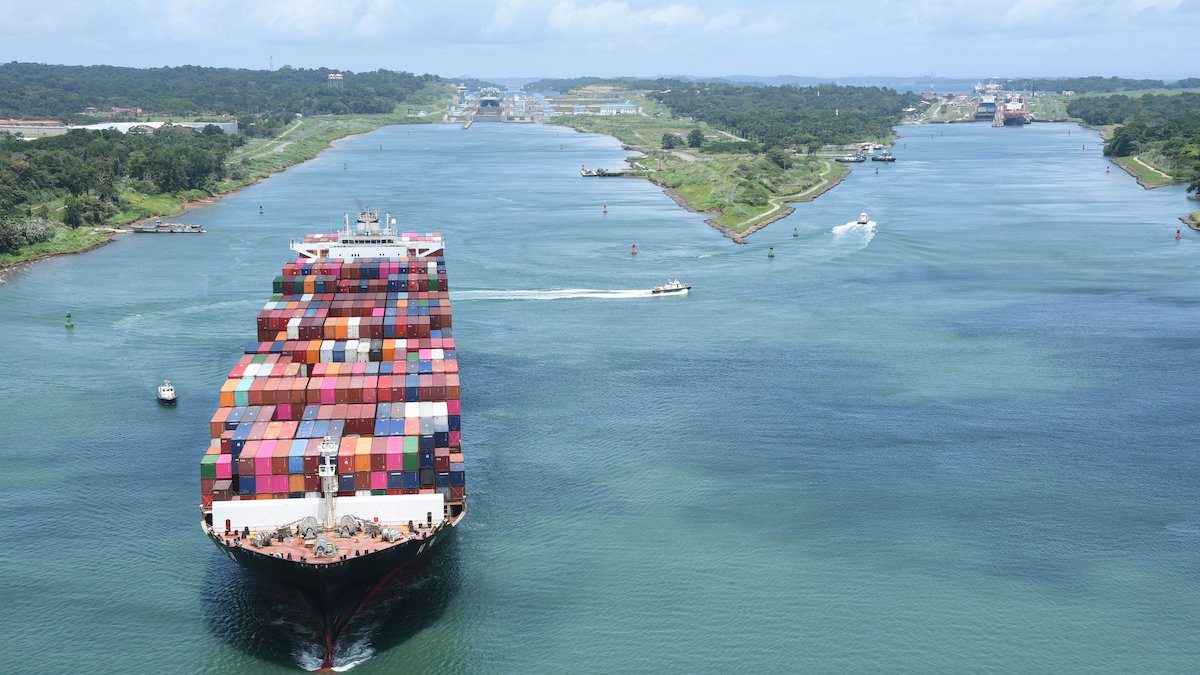
By Lori-Ann LaRocco – The Administrator of the Panama Canal is warning that the upcoming El Niño season will be longer and is taking precautions now to conserve water.
“What we see in the future is a very, very low level of precipitation,” said Ricaurte Vásquez, Administrator of the Panama Canal. “We have to look at how long this event is going to last. We anticipate that it’s going to last about eight months.”
To navigate the duration and anticipated severity of the weather phenomenon, Vásquez explained that the strategy being deployed ahead of this El Niño event is different from the 2023 event, which contributed to the most devastating drought in the canal’s history.
“The soil is drier now, so there is less water retention currently in the surrounding areas and the watershed, which makes things more complicated,” explained Vásquez.
The administrator said lake levels in the spring were high enough to accommodate increased traffic.
“We used the water to move some cargo, and that helped to release the pressure on the system,” said Vásquez. “But now what we are facing is a significant number of vessels coming without a reservation. One lesson we learned from the previous event was that everyone has to book. So those who do not have a reservation wait and see, and most of them are the ones who pay high prices in order to get the slot.”
And demand for LNG and LPG tanker transits continues to build.
“There are capacity limitations that are currently existing that generate additional demand for fast transit,” said Vásquez.
Demand for faster transits has increased the number of bidders for auction slots. The canal has seen back-to-back record auctions.
This increase in vessel transits comes at a challenging time for the canal.
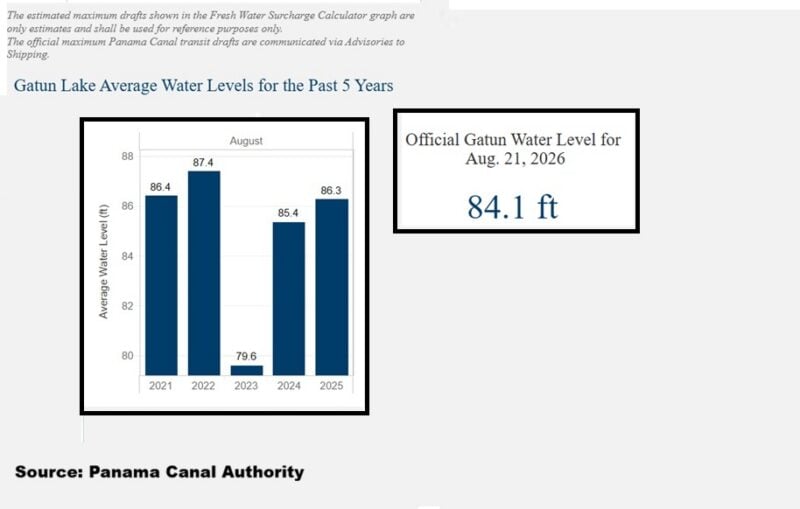
gCaptain compared the current water level of Gatun Lake, the Panama Canal’s main water body and vital operational core. ACP data show lake levels in August are lower today than they were in August 2022. That was ahead of the last El Niño, which produced what was considered the worst drought in the canal’s history.
The deteriorating water outlook has already forced the canal to change course from earlier projections that it could maintain normal operations through the end of the year.
Last week, the ACP announced it would reduce daily transit capacity in September after rainfall across the canal watershed fell short of expectations. Neopanamax capacity will drop to nine daily slots beginning Sept. 3, while Panamax capacity will be set at 25 slots before falling to 23 on Sept. 15.
The restrictions represent a notable shift from April, when canal officials said they did not anticipate significant operational impacts through December.
The canal has also delayed previously announced draft restrictions as near-term lake conditions improved. A reduction in the maximum authorized Neopanamax draft to 48 feet has been pushed back from Aug. 26 to Sept. 2, while a further reduction to 47.5 feet has been postponed from Sept. 3 to Oct. 1.
The combination of fewer transit slots and continued strong demand is putting additional pressure on vessels arriving without reservations. The ACP has warned that reduced capacity could increase waiting times and has urged customers to use its booking system to guarantee transit dates.
The share of U.S. LPG exports headed to Asia has increased five percentage points, from 55% to 60%. In a prior gCaptain interview, Victor Vial, CFO of the ACP, said the authority began seeing a surge in transits of chemical and oil tankers starting Feb. 28 and March 1.
Before the war, the Panama Canal had 34 transits a day, seven of which were tankers. The Iran War pushed more vessel traffic toward the canal, boosting the total to 40 to 41 daily transits.
Now, with drier weather looming, the ACP will cut daily vessel transits in a two-step process in September, first to 34 and then to 32. The maximum authorized draft for the Neopanamax locks of 48 feet, originally scheduled to take effect Aug. 26, has been pushed back to Sept. 2. A subsequent adjustment to 47.5 feet has been postponed until Oct. 1.
But the historic drought during the 2023-24 El Niño forced significant transit restrictions, causing backlogs and rerouting of LNG and tanker traffic.
During fiscal year 2024, the Panama Canal Authority reported a 29% drop in vessel transits. LNG and dry bulk transits saw some of the biggest declines, with LNG transits down 66%.
Today, 36 vessels are moving through the canal. That will drop to 34 in early September, then to 32 on Sept. 15. The lowest number of daily transits during the 2023-24 El Niño was 22.
“Every drop of water counts,” said Vásquez. “This is why bookings are so important. It provides predictability to the operation of the Panama Canal, so we can work on the daily vessel transit mix. We are making sure we are at a level where we have reliability for the next six to eight months, and that is critical to us.”
Vásquez told gCaptain the canal is discussing the deployment of larger container vessels with customers. The metric used in its hydrology analysis is cargo moved per cubic meter of water.
“We are asking them to try to consolidate cargo so you can bring a larger vessel to transit at a given draft,” said Vásquez.
Vessels without appointments are waiting 8.5 days. Backlogs at the Panama Canal reached 154 ships, with wait times of up to 21 days, during the last El Niño.
To mitigate waiting times, some energy exporters are using ship-to-ship (STS) transfers to move liquefied petroleum gas from the U.S. to Asia. Using narrower Panamax tankers lets operators move through the older Panamax locks. Not only are the waits shorter, but rates are lower.
This strategy will be a boost for companies involved in STS operations, maritime agents, tug companies, fendering companies and surveyors.
The canal authority has been pressing forward with projects to ensure the canal’s long-term viability during drier seasons. Discussions with residents affected by the proposed $1.6 billion Río Indio Reservoir Project are ongoing.
“The conversation is flowing,” said Vásquez. “Just the mere fact that some of the residents have allowed us to use their properties in order to do geological testing is a very important sign. So the tensions and the pressures that were about two years ago have subsided significantly.”
However, some initial geological findings on soil conditions in the region differ from what the canal anticipated. This may result in changes to the location and construction procedures.
“If that happens, there will probably be some delays in redesigning some of the infrastructure. But we are waiting on that, and it’s important that you have that information now instead of finding out later on,” Vásquez said.
Breaking ground on the project has been delayed by between six and eight months.
Other projects the canal is undertaking to expand its trade capacity include building two ports and an LPG pipeline. The July deadline for terminal concessions has closed. Vásquez said the team handling the concession process is now reviewing the submissions.
“They are working very hard in trying to get this information on pre-qualification as soon as possible,” said Vásquez. “We are very rigorous about the process.”
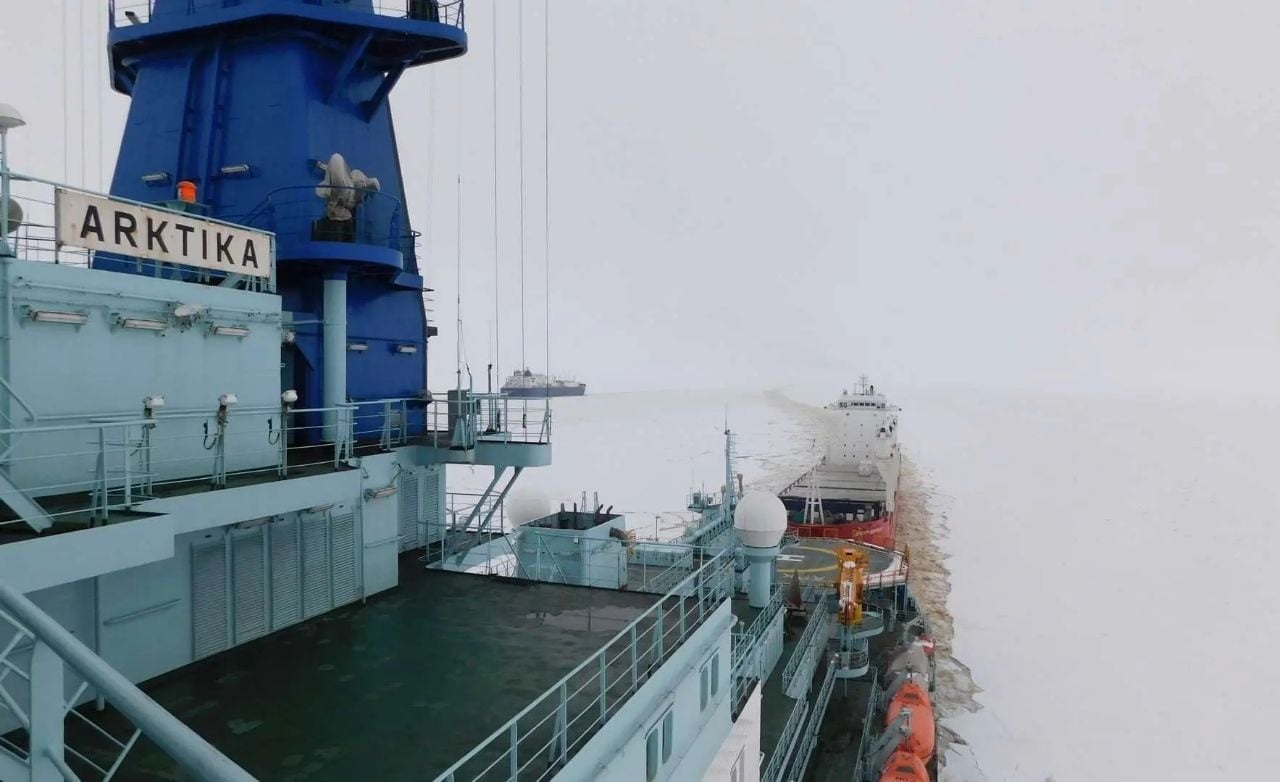
Russia expects cargo transits along the Northern Sea Route (NSR) to more than double in 2026, marking a substantial increase in Arctic shipping despite Western sanctions, although volumes remain far below Moscow’s original ambitions for the route.
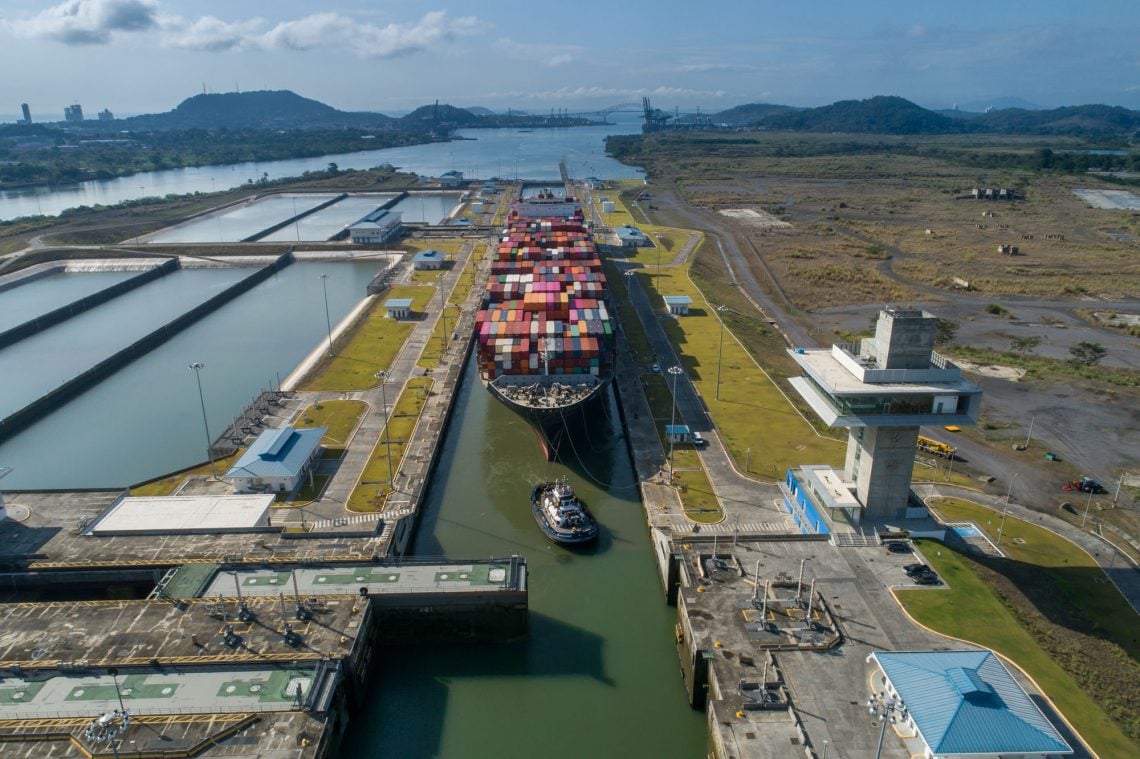
The Panama Canal reported growth in vessel traffic, tonnage and revenue in fiscal year 2026, as stronger demand from energy carriers and containerships helped lift volumes despite ongoing concerns over...
For a sign of just how extraordinary oil shipping costs have become, consider this: It’s now more expensive to hire a tanker from the US to China than to launch a rocket into space.
October 9, 2026
Total Views: 3009
Get The Industry’s Go-To News
Subscribe to gCaptain Daily and stay informed with the latest global maritime and offshore news
— just like 106,328 professionals
Secure Your Spot
on the gCaptain Crew
Stay informed with the latest maritime and offshore news, delivered daily straight to your inbox
— trusted by our 106,328 members
Your Gateway to the Maritime World!
Essential news coupled with the finest maritime content sourced from across the globe.

 Join The Club