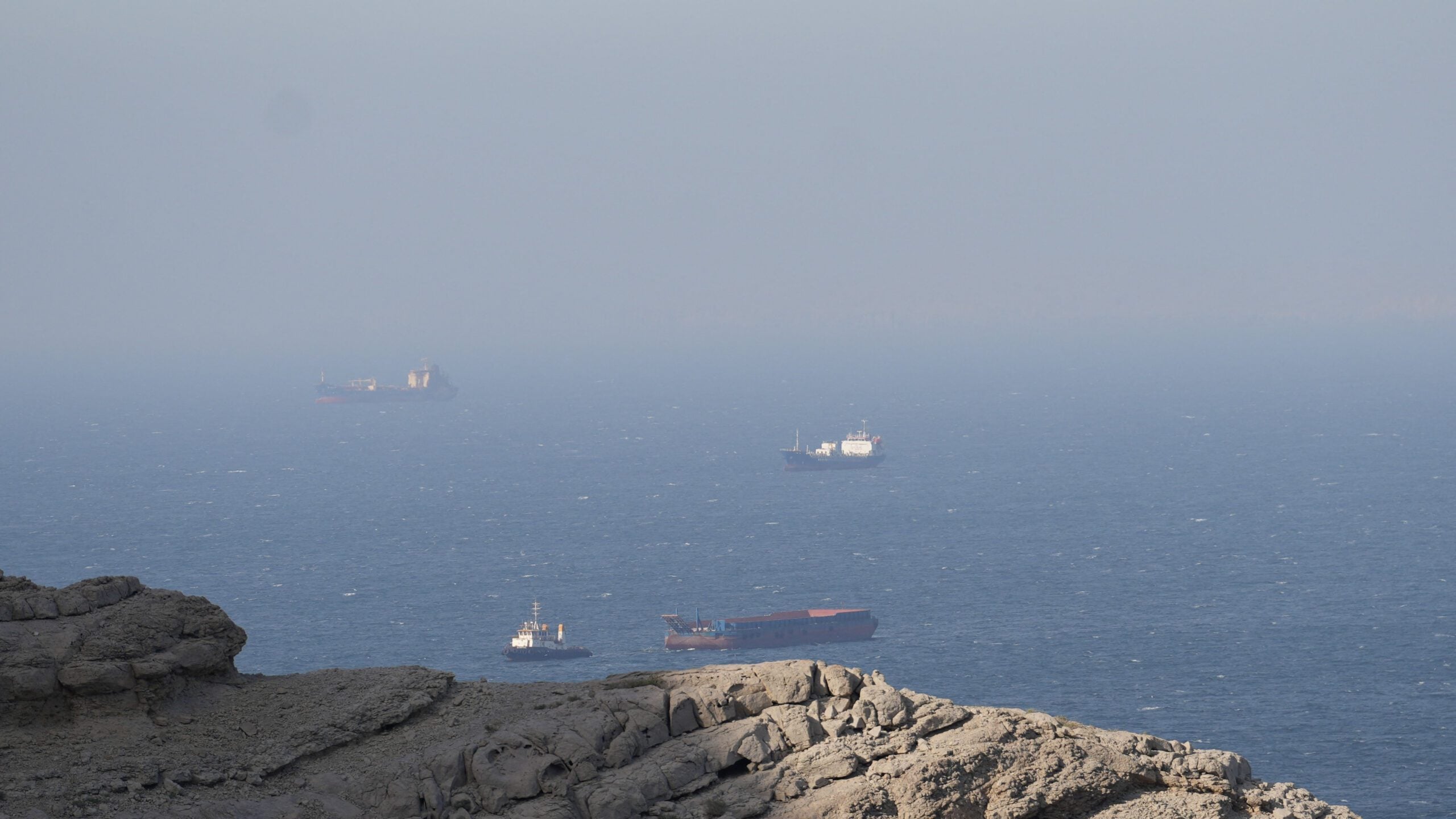
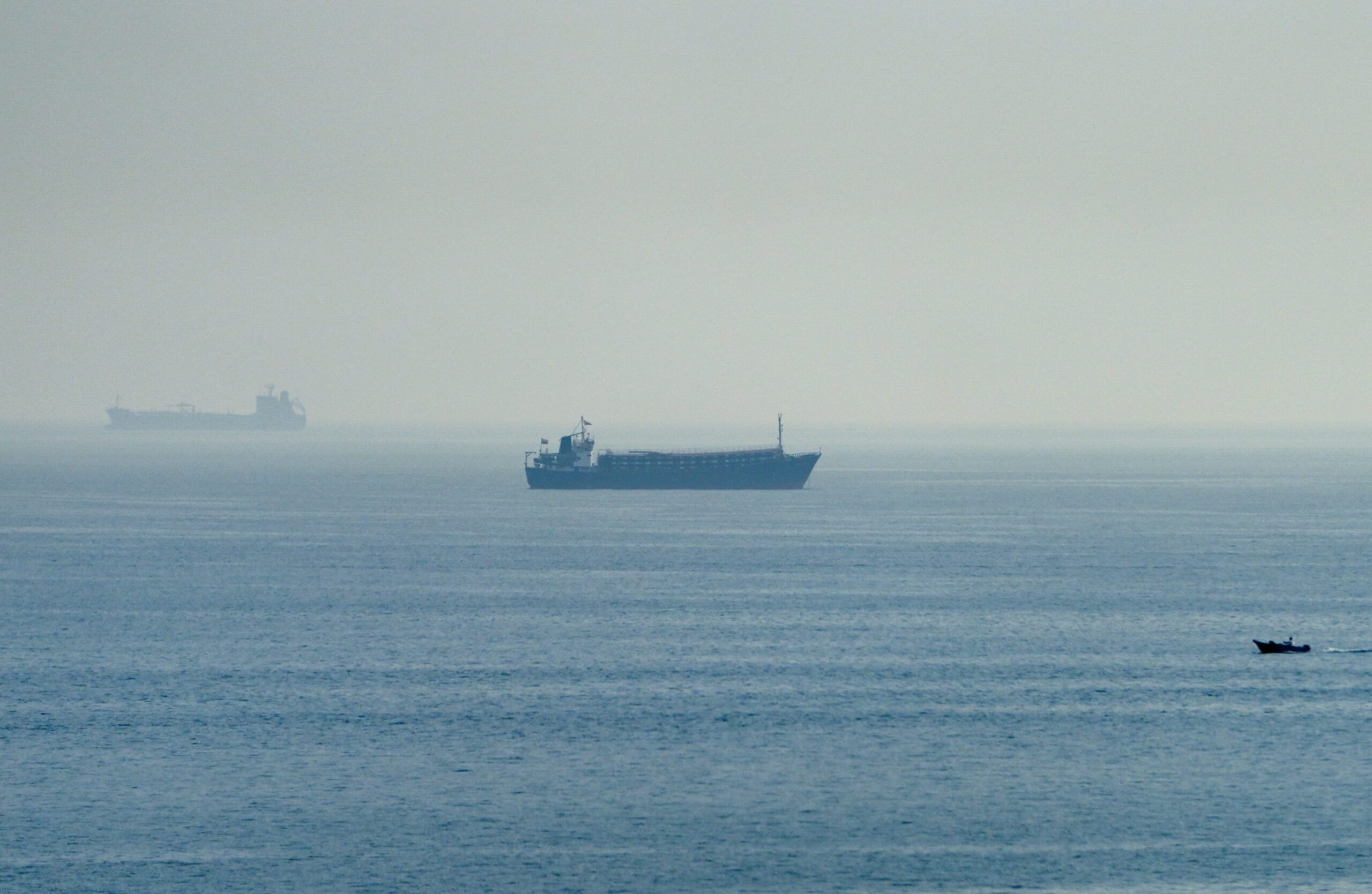
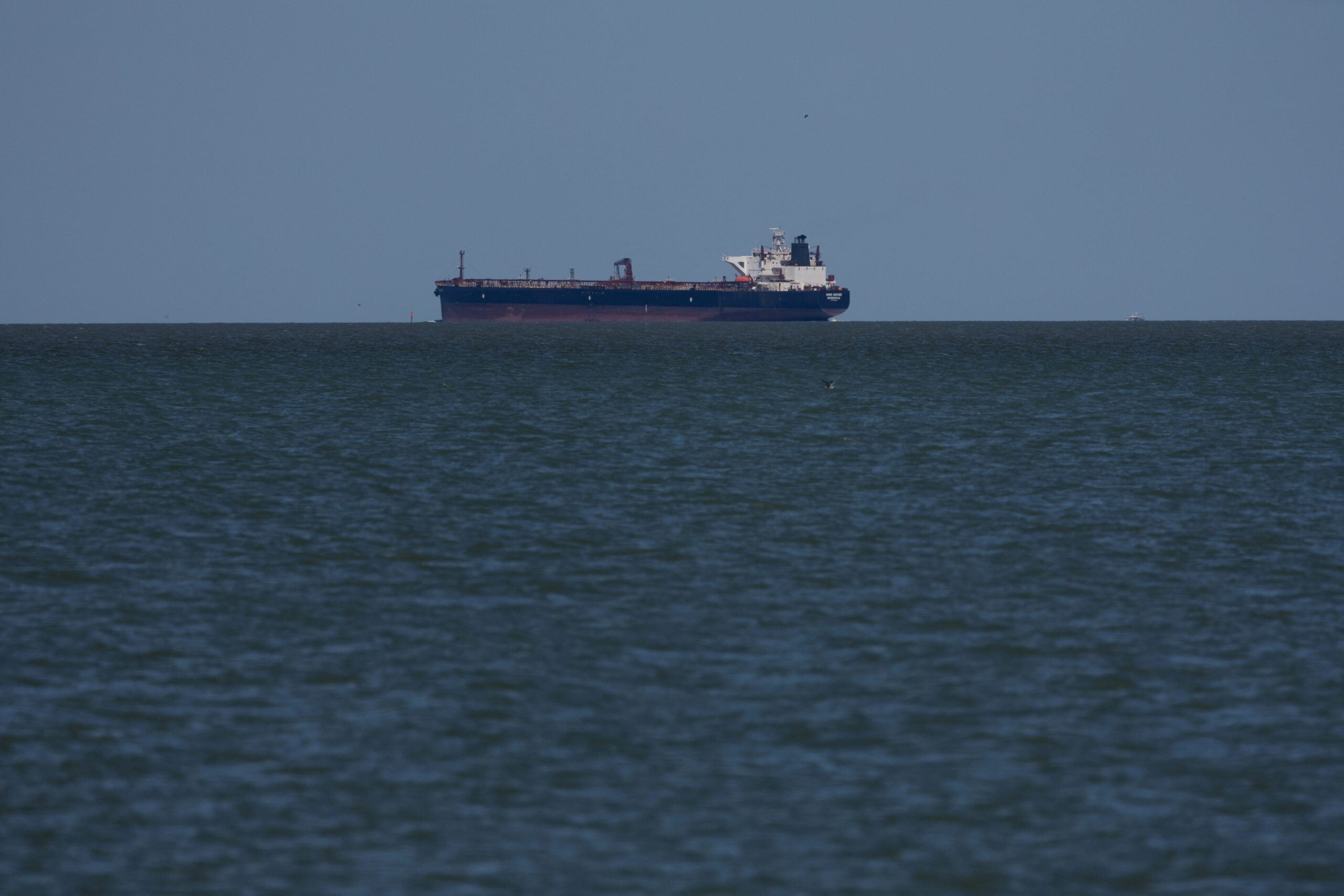
By Weilun Soon and Rakteem Katakey (Bloomberg) — Iranian gunboats fired on commercial ships in the Strait of Hormuz on Wednesday as Tehran maintained its grip on the vital energy channel, while two of its own oil supertankers tested a US blockade.
The UK Maritime Trade Operations, a naval liaison with the shipping industry, said on X that a cargo ship and a container ship came under fire in the waterway. Meanwhile, analytics firm Vortexa said Iran moved supertankers into the Arabian Sea, an area where the US has sought to block Iranian shipping.Play Video
Iranian state TV reported later that the country’s Islamic Revolutionary Guard Corps had seized two ships — identified as the MSC Francesca and Epaminondas — in Hormuz and brought them to shore for inspection. The Wall Street Journal reported that both came under attack, as well as a third, the Euphoria.
The managers of all three vessels, as listed on the Equasis international shipping database, either didn’t immediately respond to requests for comment.
The moves underscore Tehran’s aggressive stance in the face of US pressure at a time when talks between the two sides are in limbo. They also demonstrate the challenges of resolving a conflict that has eliminated a billion barrels of oil supply, according to top traders.
Two Supertankers
The supertankers that moved into the Arabian Sea were identified as the Hero II and Hedy. Vortexa used satellite imagery to hone in on the two Iran-flagged, very large crude carriers that it said entered area on April 20. The pair can together carry as much as 4 million barrels of oil.
Another Iranian VLCC, the Diona, appeared to turn back after entering the Arabian Sea from Hormuz, TankerTrackers.com co-founder Samir Madani said.
Iran shut Hormuz shortly after coming under attack from the US and Israel at the end of February.
The latest incidents demonstrate that, while US President Donald Trump has said that Iran’s navy has been destroyed, Tehran’s deployment of small boats to target commercial shipping remains a terrifying prospect.
The container ship was attacked at 2:55 a.m. London time, and sustained heavy damage to its bridge, the UKMTO said. The cargo ship wasn’t damaged but came to a stop after being fired upon about three hours later, UKMTO reported.
It wasn’t immediately clear if the attacks were on the same vessels as those that Iranian media subsequently said were seized.
New Approach
Washington initially responded to the closure of Hormuz by encouraging the Islamic Republic’s barrels to flow to buyers in an attempt to contain spiraling oil prices. It switched tactics on April 13, imposing a blockade of its own on all of Iran’s shipping.
But the exit of the laden tankers demonstrates the challenges of enforcing those efforts — which Trump has described as a “tremendous success” — and pressuring an otherwise resilient Iranian regime into concessions.
Since America’s blockade began, the US Navy has seized an Iran-linked cargo vessel and boarded a sanctioned oil tanker in waters east of Sri Lanka, widening its targeted area. It has also turned back at least 28 vessels. The US has previously said it will consider boarding and seizing any sanctioned vessels regardless of location — meaning the VLCCs may not be in the clear yet.
Still, Vortexa’s figures suggest Iran’s exports haven’t been halted in the face of US threats, with at least 34 Iran-linked tankers and gas carriers making their way through the strait and the US blockade line. Of the vessels crossing since early last week, 19 have been heading out of the Persian Gulf, with 17 of those carrying cargo. Ships were given until late on April 13 to leave Iran’s ports.
Transponders Off
Vortexa uses satellite imagery as vessels seeking to circumvent US forces typically turn off their transponders. Hero II was last seen more than a month ago when it was sailing northward in the Strait of Malacca, while Hedy last broadcast its location off Khor Fakkan in the United Arab Emirates in late February.
The ultimate destination of the two oil shipments isn’t clear. The vast majority of Iran’s crude exports end up in China, though India received two cargoes of Iranian crude in recent weeks before a US waiver expired.
After the war entered its eighth week, Trump extended a ceasefire indefinitely on Tuesday, but said the US blockade would remain in place. Around 800 vessels are still stuck in the Persian Gulf, with the International Maritime Organization saying this week it’s working on an evacuation plan that’s contingent on a de-escalation of the war.
© 2026 Bloomberg L.P.

 Join The Club