Updated: December 5, 2023 (Originally published February 12, 2019)
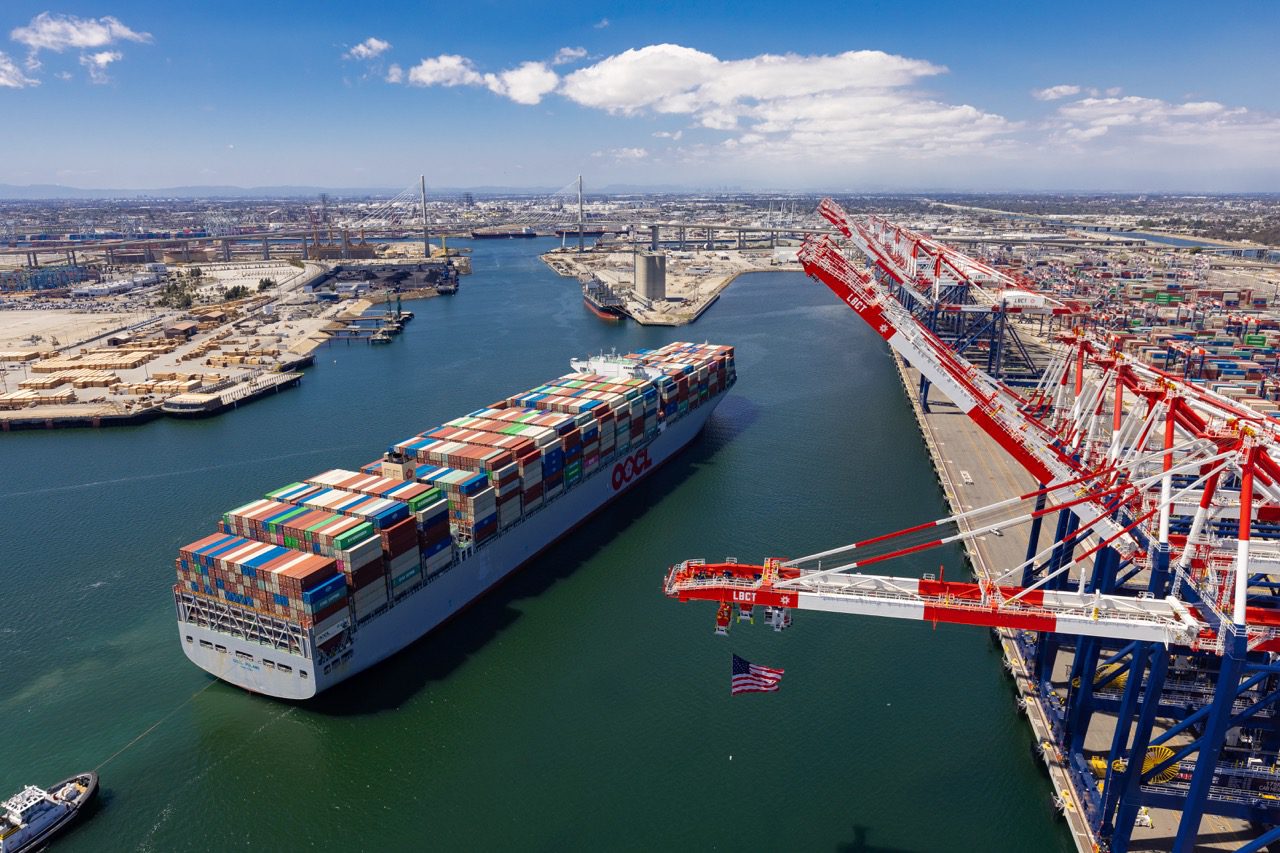
MartinLueke / Shutterstock.com
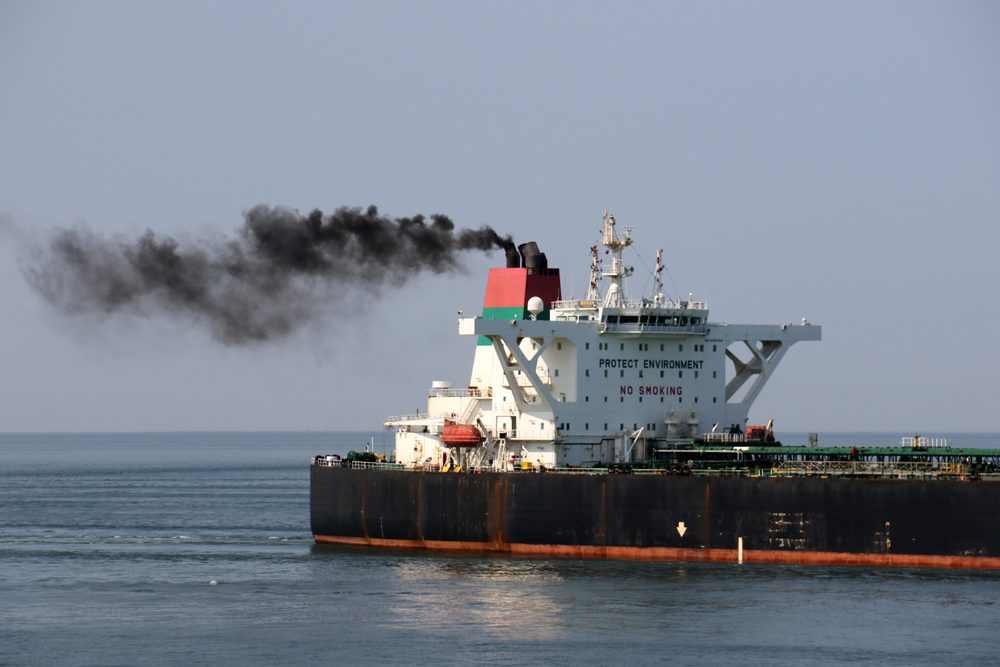
The International Chamber of Shipping is looking ahead towards a zero-carbon future for shipping as sulphur and greenhouse gas emissions takes center stage starting with the IMO 2020 global sulphur cap next year.
“The 2020 global sulphur cap will be the regulatory game changer of the decade with profound implications for the economics of shipping,” said Chairman of the International Chamber of Shipping (ICS), Esben Poulsson, speaking before senior representatives of the world’s national shipowners’ associations at the ICS Board meeting in London last week. “But there are even more profound changes to come. We are rapidly moving into a multi-fuel future to be followed we hope, in the 2030s, by the arrival of commercially viable zero CO2 fuels suitable for global application.”
As the 1 January 2020 deadline for the sulphur cap approaches, International Chamber of Shipping members met to review progress in persuading the International Maritime Organization to take measures to address expected implementation problems. This includes outstanding safety and fuel compatibility issues associated with the use of new 0.5% sulphur blends and continuing uncertainty over the availability of compliant fuels in every port worldwide, a particular challenge for tramp trades.
The ICS Board concluded that it will be vital for the IMO Marine Environment Protection Committee to complete this work at its meeting in May 2019, as shipowners begin ordering compliant fuels.
“While fuel suppliers must play their part in providing sufficient quantities of safe and compliant low sulphur fuels, shipowners must urgently prepare their ship specific implementation plans for 2020,” said Esben Poulsson. “This should be carried out using the IMO template adopted at the industry’s request and the detailed advice prepared by ICS which we have just updated to take account of other recent IMO decisions. This will be vital to reduce the possibility of teething problems or in the event of initial Port State Control difficulties due to factors beyond the shipowner’s control.”
With regard to achieving the ambitious greenhouse gas reduction targets agreed by IMO last year, including a 40% efficiency improvement by 2030 and a 50% total cut in the sector’s GHG emissions by 2050, the ICS Board endorsed the finalization of proposals to IMO on short term measures.
These measures include tightening of the Energy Efficiency Design Index (EEDI) for new ships – which already requires ships built in 2025 to be 30% more efficient than those delivered before 2013 – as well as proposals for a ‘Super SEEMP’ whereby existing Ship Energy Efficiency Management Plans could be subject to mandatory external audits, probably as part of the ISM Code.
“We need IMO to make progress with short term GHG reduction measures as soon as possible to achieve measurable additional GHG reductions by 2023, in addition to the 8% total reduction already achieved by the sector since 2008, despite a massive increase in maritime trade over the same period,” explained Esben Poulsson. “But while these short term measures are very important we want IMO to move on to developing the critical long term measures that will truly help the industry to decarbonize completely.”
Poulsson continued: “The ICS Board agreed that the industry cannot achieve the 2050 GHG reduction target using fossil fuels. Over the next decade we are therefore going to require massive investment in research and development of zero CO2 emitting propulsion systems and other technologies which don’t yet exist in a form that can be readily applied to international shipping, especially in deep sea trades. This will need to be a key component of the IMO strategy when detailed ideas for long term measures are taken forward during 2020.”
The ICS Board also endorsed the recommendation of the ICS Manning and Training Sub-Committee that ICS should encourage IMO to embark on a comprehensive review of the IMO STCW Convention governing seafarers’ and training and certification standards, given increasing questions as to whether the STCW regime, which was last given a major overhaul in 1995, is still fit for purpose in the 21st Century.
The meeting also expressed serious concern about the deteriorating security situation in the Gulf of Guinea (as discussed last week by the UN Security Council) where there has been a sharp increase in the number of attacks against ships’ crews.
The International Labour Organization (ILO), the International Chamber of Shipping (ICS), and the International Transport Workers’ Federation (ITF) marked the 20th anniversary of the Maritime Labour Convention (MLC) this week with a renewed push to strengthen...
The latest session of the IMO’s Pollution Prevention and Response Sub-Committee didn’t deliver sweeping new rules, but beneath the technical drafting work, PPR 13 signaled a clear shift toward performance-based environmental oversight. From biofouling and Arctic black carbon to scrubber discharges and low-load engine certification, the focus is moving beyond installed equipment to how ships are actually operated, maintained, and managed over their full lifecycle.
The International Chamber of Shipping is backing efforts to revive U.S. shipbuilding but warning that proposed port fees on foreign-built vessels—projected to raise up to $1.5 trillion—could disrupt global trade and raise transport costs.
February 17, 2026
Total Views: 948
Get The Industry’s Go-To News
Subscribe to gCaptain Daily and stay informed with the latest global maritime and offshore news
— just like 107,144 professionals
Secure Your Spot
on the gCaptain Crew
Stay informed with the latest maritime and offshore news, delivered daily straight to your inbox
— trusted by our 107,144 members
Your Gateway to the Maritime World!
Essential news coupled with the finest maritime content sourced from across the globe.

 Join The Club