The International Maritime Organization (IMO) has issued a forceful condemnation of attacks on commercial shipping in the Middle East, warning that the situation in the Strait of Hormuz poses a “grave danger to life” and demanding immediate action to protect seafarers and restore safe navigation.
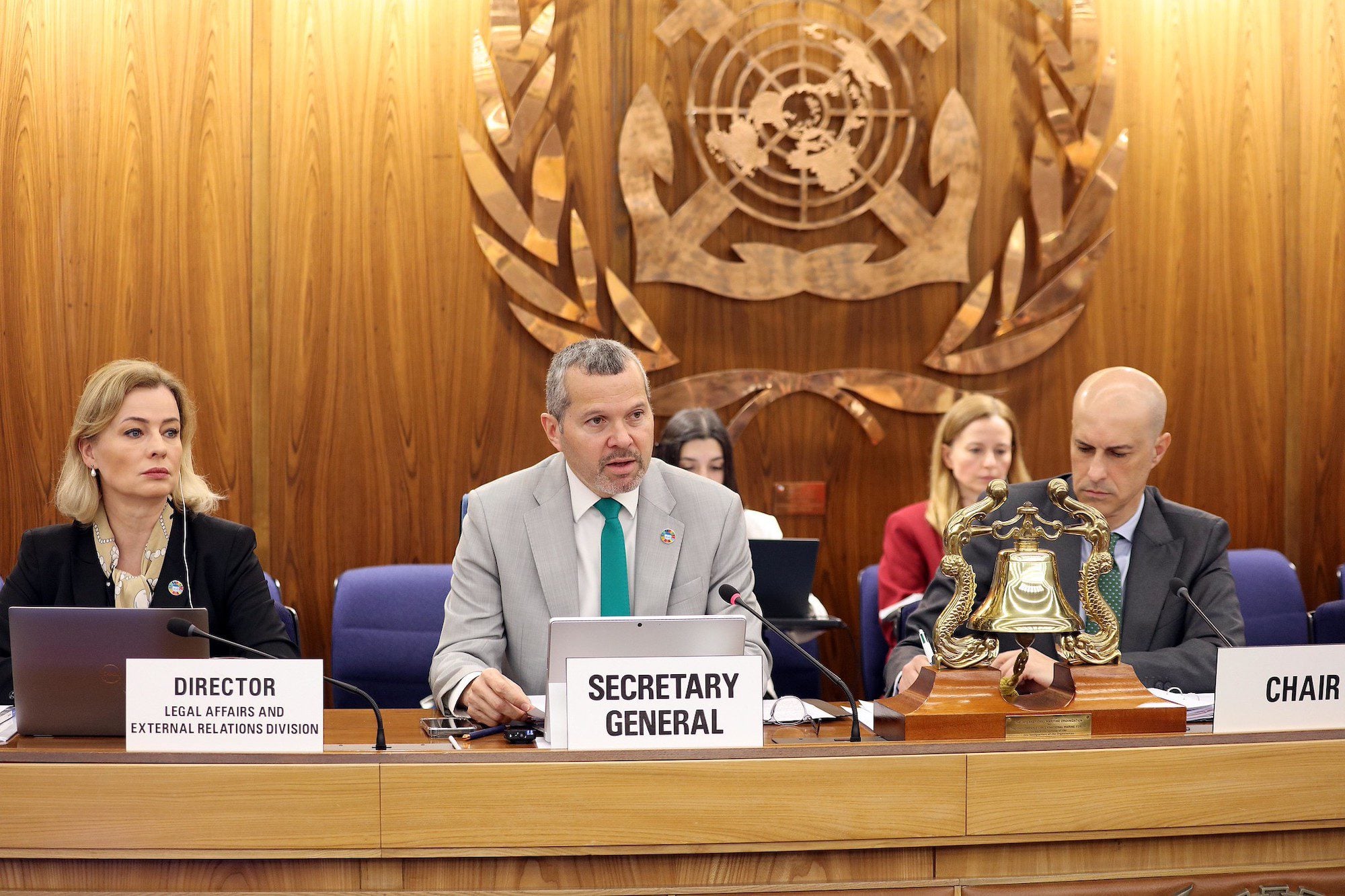
The statement came at the conclusion of the 36th Extraordinary Session of the IMO Council in London, where more than 120 Member States met to address escalating threats to vessels across the Persian Gulf, Gulf of Oman, and Arabian Sea.
“Grave Danger” to Seafarers
In a sweeping declaration, the Council “strongly condemned” attacks on merchant vessels and Iran’s purported interference with navigation through the Strait, describing the situation as “contrary to the purposes of IMO” and a serious threat to maritime safety.
The Council warned that the crisis represents a “grave danger to life, particularly seafarers,” while also posing risks to navigation and the marine environment.
It further demanded that Iran “immediately refrain” from any actions aimed at closing or obstructing the Strait of Hormuz, reaffirming that “the exercise of navigational rights and freedoms… must be respected” under international law.
The declaration also referenced UN Security Council Resolution 2817 (2026), underscoring that interference with key waterways constitutes a threat to international peace and security.
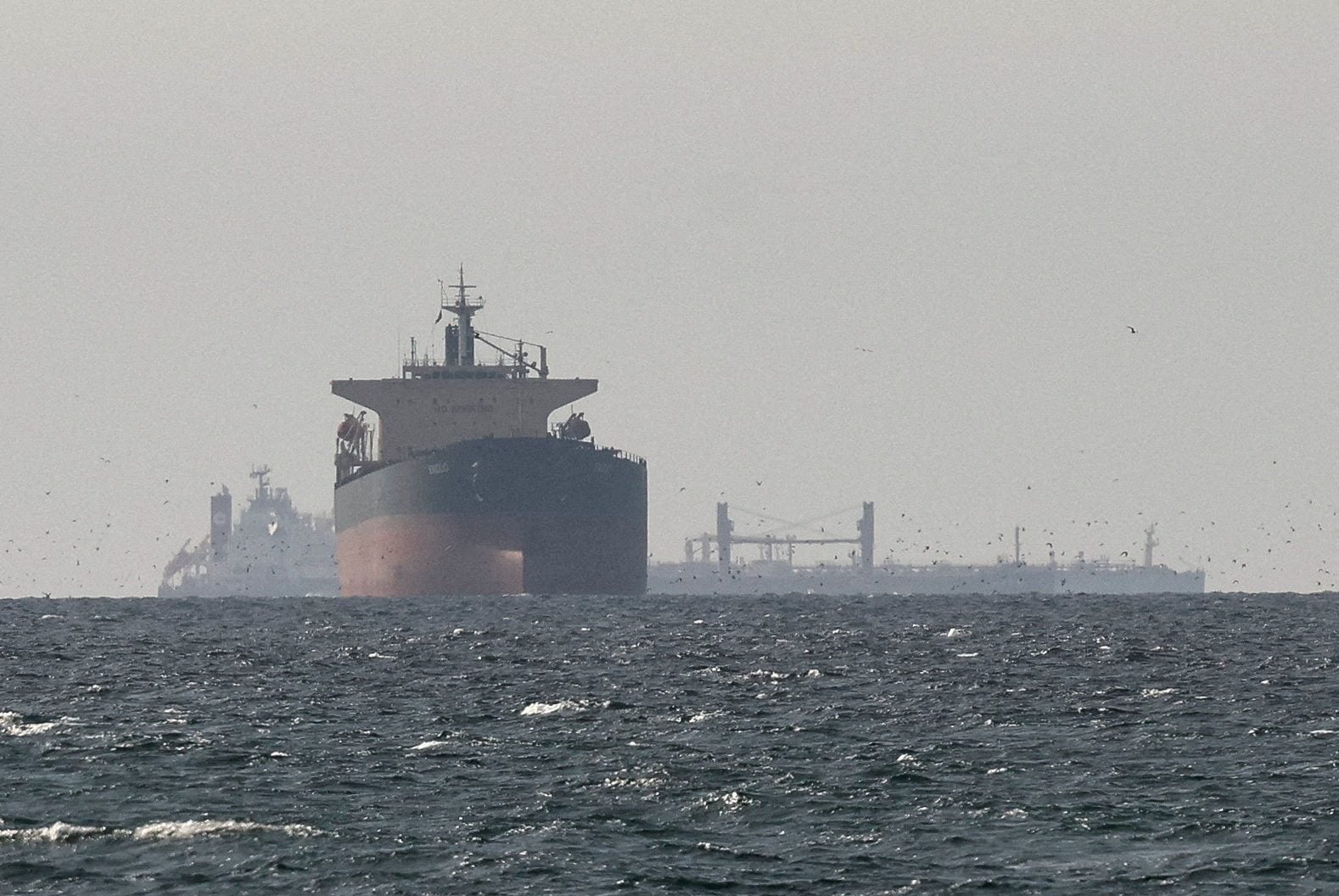
The escalation follows U.S. and Israeli strikes on Iran and Tehran’s subsequent counterattacks, driving a sharp deterioration in maritime security across the region. More than 20 attacks on merchant vessels have been reported in recent weeks, resulting in at least seven seafarer deaths and multiple injuries. The sustained threat environment has triggered a dramatic collapse in traffic through the Strait of Hormuz, as shipowners and charterers increasingly avoid the route amid rising risks from missile, drone, and maritime attacks.
Seafarers Must Not Be “Collateral Victims”
With fatalities mounting and thousands of crews stranded, the Council placed seafarers at the center of its response, urging that “all attacks on ships affecting innocent civilian seafarers be halted immediately.”
Member States were called on to ensure ships receive food, water, fuel, and other essential supplies, facilitate crew changes, and maintain communications between seafarers and their families.
IMO Secretary-General Arsenio Dominguez, opening the session, said seafarers “must not become victims of broader geopolitical tensions”, as roughly 20,000 remain stranded under high-risk conditions.
The Council also highlighted operational challenges, including fatigue, psychological strain, and widespread GNSS jamming and spoofing, which are complicating navigation in the region.
Global Response Builds
Governments and industry groups broadly aligned behind the IMO’s message.
The United Arab Emirates, which led the push for the declaration, said the outcome reflects record international backing, while Australia warned the crisis has turned the Strait into a “theatre of coercion and conflict.”
Industry bodies, including the International Chamber of Shipping, echoed calls for an immediate halt to attacks and coordinated action to restore safe passage.
Meanwhile, a broad coalition spanning the global maritime, port, and logistics industries warned that disruptions are now affecting “maritime operations, port communities and international supply chains.”
Call for De-Escalation
Beyond condemnation, the Council urged restraint, calling on all parties to “engage in constructive diplomacy and refrain from acts that hinder navigation.”
IMO leadership also emphasized that the crisis is no longer just a regional issue.
“Every time shipping is used as collateral damage in these conflicts, the whole world is negatively affected,” Dominguez said, pointing to impacts on global trade, energy flows, and food security.
A Chokepoint Under Strain
The Strait of Hormuz—one of the world’s most critical arteries for oil, gas, and global trade—remains severely disrupted as operators weigh the risks of transiting waters exposed to missile, drone, and maritime attacks.
With thousands of vessels and tens of thousands of seafarers still caught in the crisis, the IMO’s message was clear: “Inaction is not an option.”
Editorial Standards · Corrections · About gCaptain

 Join The Club