The security situation in the Strait of Hormuz deteriorated sharply on Wednesday after the United States launched a new wave of strikes against Iranian military targets in response to attacks on commercial shipping, prompting the International Maritime Organization to urge the industry to avoid transiting the waterway if crew safety cannot be assured.
U.S. Central Command (CENTCOM) said its forces struck more than 80 targets across Iran on Tuesday, including air defense systems, command-and-control networks, coastal radar sites, anti-ship missile capabilities and more than 60 Islamic Revolutionary Guard Corps (IRGC) small boats operating in and around the Strait of Hormuz.
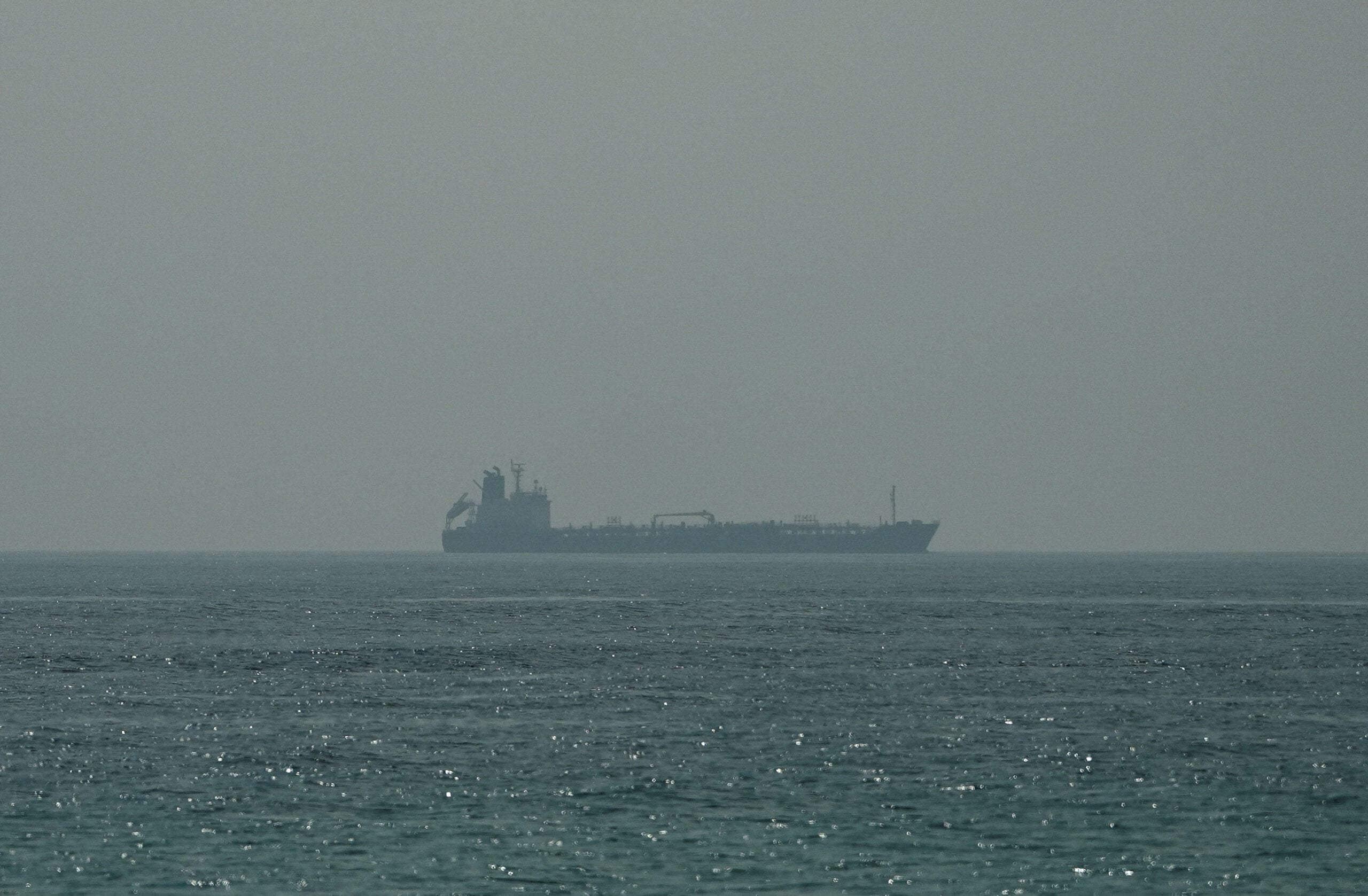
The strikes came after Iran attacked three merchant vessels transiting the strait: the Marshall Islands-flagged tanker Al Rekayyat, the Saudi Arabia-flagged tanker Wedyan, and the Liberia-flagged Cyprus Prosperity. CENTCOM described the attacks as “a clear and dangerous violation of the ceasefire” that undermined freedom of navigation.
“U.S. forces remain postured and prepared to hold Iran accountable when the agreement is not adhered to or obeyed,” CENTCOM said.
The Trump administration on Tuesday also revoked its temporary sanctions waiver for Iranian oil exports, replacing the relief granted just over two weeks ago under General License X with a 10-day wind-down period for existing transactions. The new license takes effect immediately and authorizes only activities necessary to unwind previously permitted business through July 17. No new purchases or loadings of Iranian crude, petroleum products or petrochemicals are permitted after July 7.
Together, the renewed U.S. strikes and sanctions rollback mark a major escalation just weeks after Washington and Tehran agreed to a memorandum of understanding intended to end months of conflict and reopen one of the world’s most important maritime chokepoints.
President Donald Trump signaled that agreement may now be finished.
Speaking to reporters before a NATO summit in Turkey, Trump said the interim agreement was effectively “over” following Iran’s latest attacks.
“To me, I think it’s over. I don’t want to deal with them,” Trump said. “As far as I’m concerned, it’s just a waste of time dealing with them.”
IMO issues strongest warning since ceasefire
The renewed violence prompted one of the strongest warnings yet from IMO Secretary-General Arsenio Dominguez, who condemned the attacks and urged shipowners, operators and flag states not to expose crews to unnecessary risk.
“I condemn the attacks over the past two days against several ships transiting the Strait of Hormuz,” Dominguez said. “These reckless attacks have again placed innocent seafarers in grave danger. No seafarer should have to risk their life simply for doing their job.”
“As long as the safety and security of crews cannot be assured, I urge flag States, shipowners, operators and all relevant authorities to avoid exposing seafarers to unnecessary danger by transiting the Strait.”
Dominguez said the latest attacks have further intensified the fear and uncertainty facing nearly 6,000 seafarers who remain stranded aboard vessels unable to safely depart the Persian Gulf.
“I call on all States concerned to exercise maximum restraint, de-escalate the situation without delay, and facilitate the safe departure of the ships still trapped in the Gulf since the crisis began,” he said. “The safety of seafarers must remain our foremost priority.”
The statement represents a notable shift from the cautious optimism that followed last month’s ceasefire, when industry groups and naval forces had begun encouraging a gradual return to commercial traffic through designated shipping corridors.
Iran blames Washington
Iran rejected U.S. accusations that it had violated the agreement.
Parliament Speaker Mohammad Bagher Ghalibaf, who has taken the lead in Iran’s negotiations with Washington, accused the United States of repeatedly breaching the memorandum through renewed military strikes, reimposed oil sanctions, interference with Iranian management of the Strait of Hormuz, attacks on southern Iran and continued support for Israeli military operations in Lebanon.
“The era of bullying and extortion is over,” Ghalibaf said in a statement. “It leads nowhere. We don’t fold.”
The latest exchange leaves the future of the U.S.-Iran agreement in doubt and raises fresh questions about the security of one of the world’s most strategically important waterways.

 Join The Club