The head of the International Maritime Organization (IMO) has issued one of his strongest warnings yet on conditions in the Strait of Hormuz, saying the waterway remains too dangerous for commercial shipping despite recent claims from U.S. officials that vessel traffic is increasing.
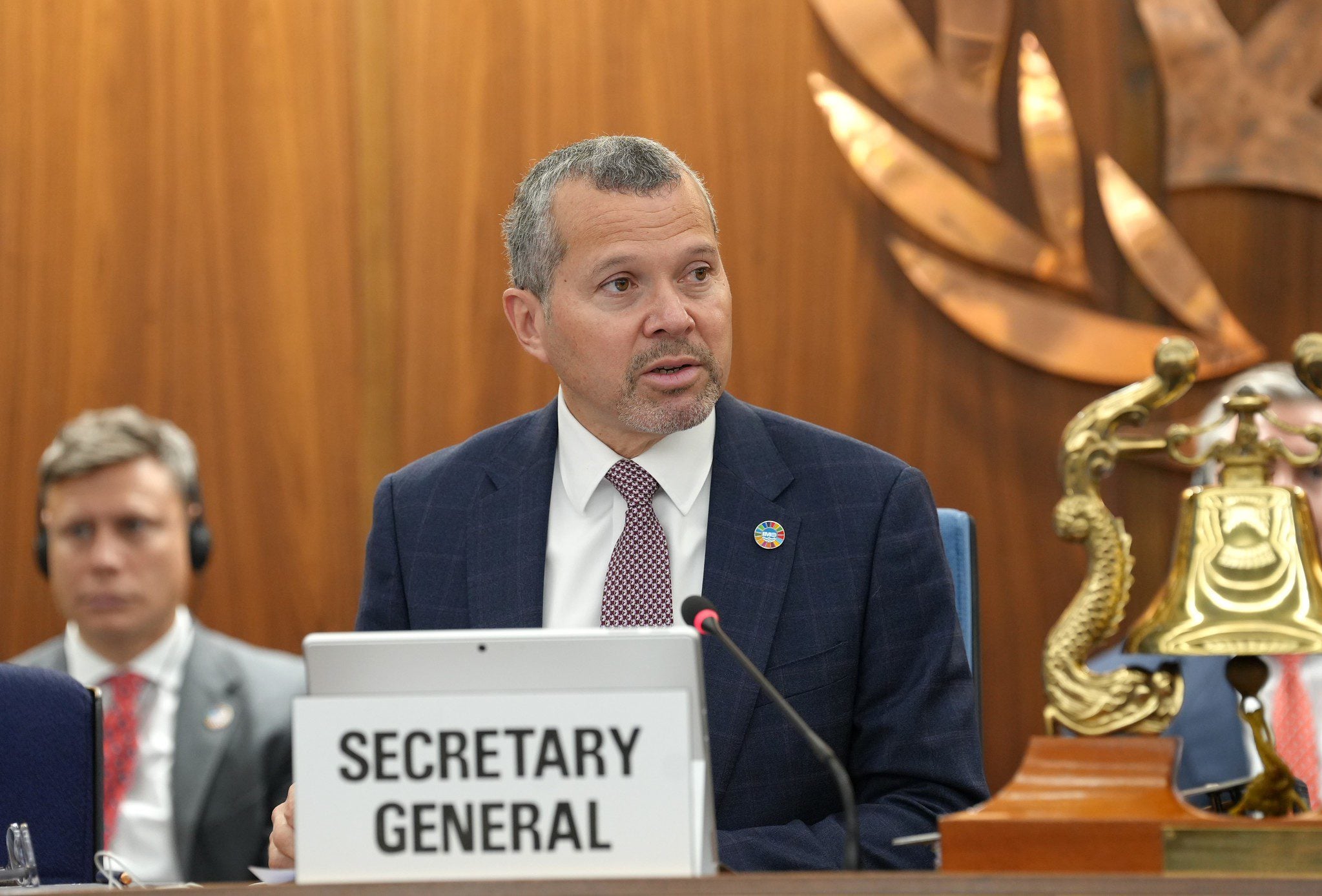
In a statement issued Tuesday, IMO Secretary-General Arsenio Dominguez said there are currently no credible security guarantees in place to justify exposing seafarers to the risks associated with transiting the strait.
“I am increasingly concerned by reports that vessels continue to attempt to transit the Strait of Hormuz without any credible security guarantees, despite well-established risks and the fact that seafarers have already been killed, injured and others detained in recent incidents,” Dominguez said.
“The current situation remains highly volatile, with no reliable security assurances in place. Under such circumstances, safe passage cannot be considered to exist.”
The comments come as U.S. officials continue to point to signs of a gradual recovery in commercial shipping activity following months of disruption caused by the conflict between the United States, Israel, and Iran.
Speaking Tuesday at an Atlantic Council event in Washington, U.S. Energy Secretary Chris Wright said ship traffic and oil exports moving through the Persian Gulf and Strait of Hormuz are increasing.
“I would say rising very meaningfully,” Wright said when asked how shipping activity compares with conditions a week or two ago. He added that exports “will continue to rise” but cautioned that it could take months after a lasting peace agreement is reached before energy flows fully normalize.
The differing assessments highlight the growing gap between signs of limited traffic recovery and the continuing security concerns facing commercial operators.
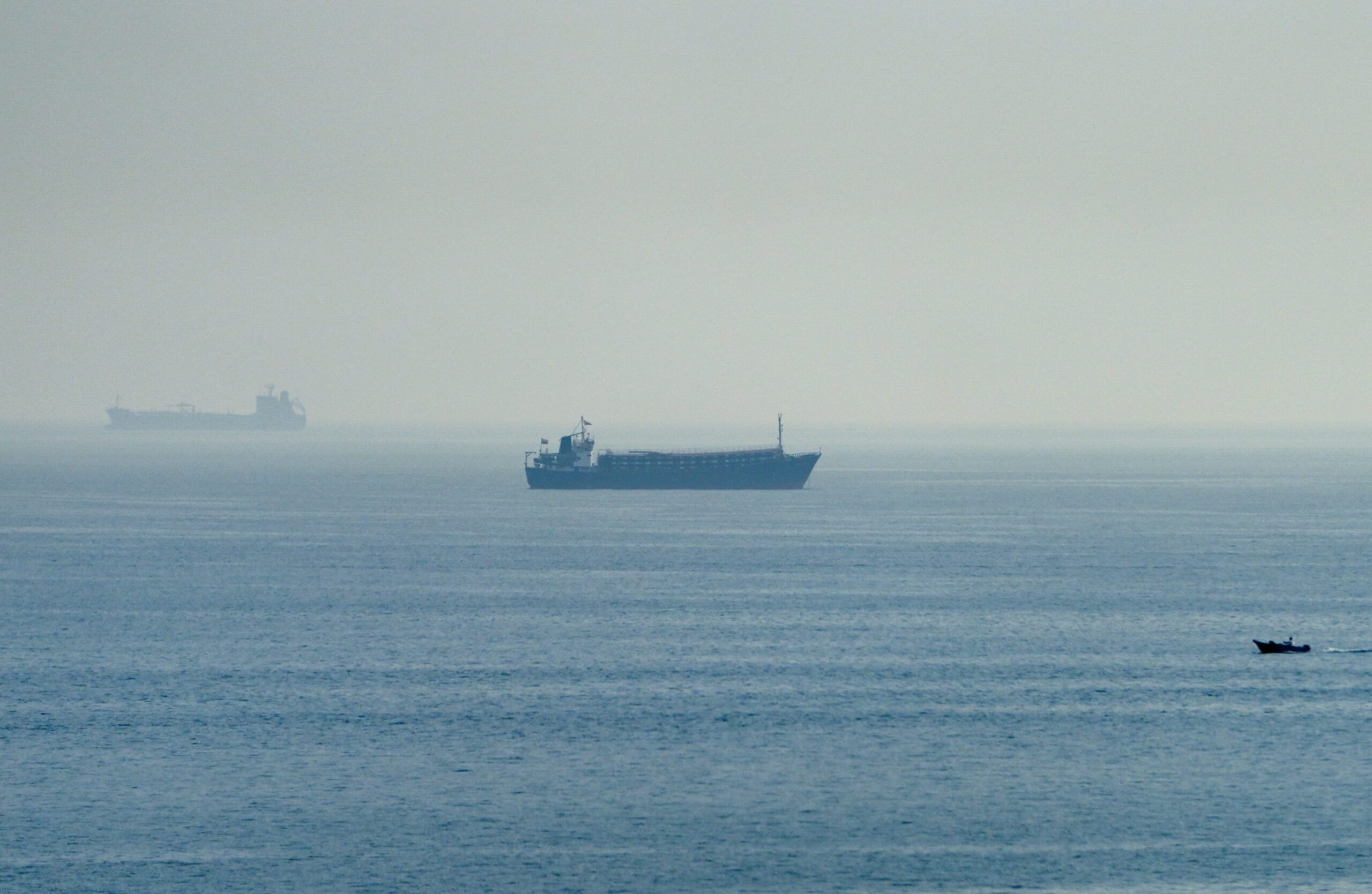
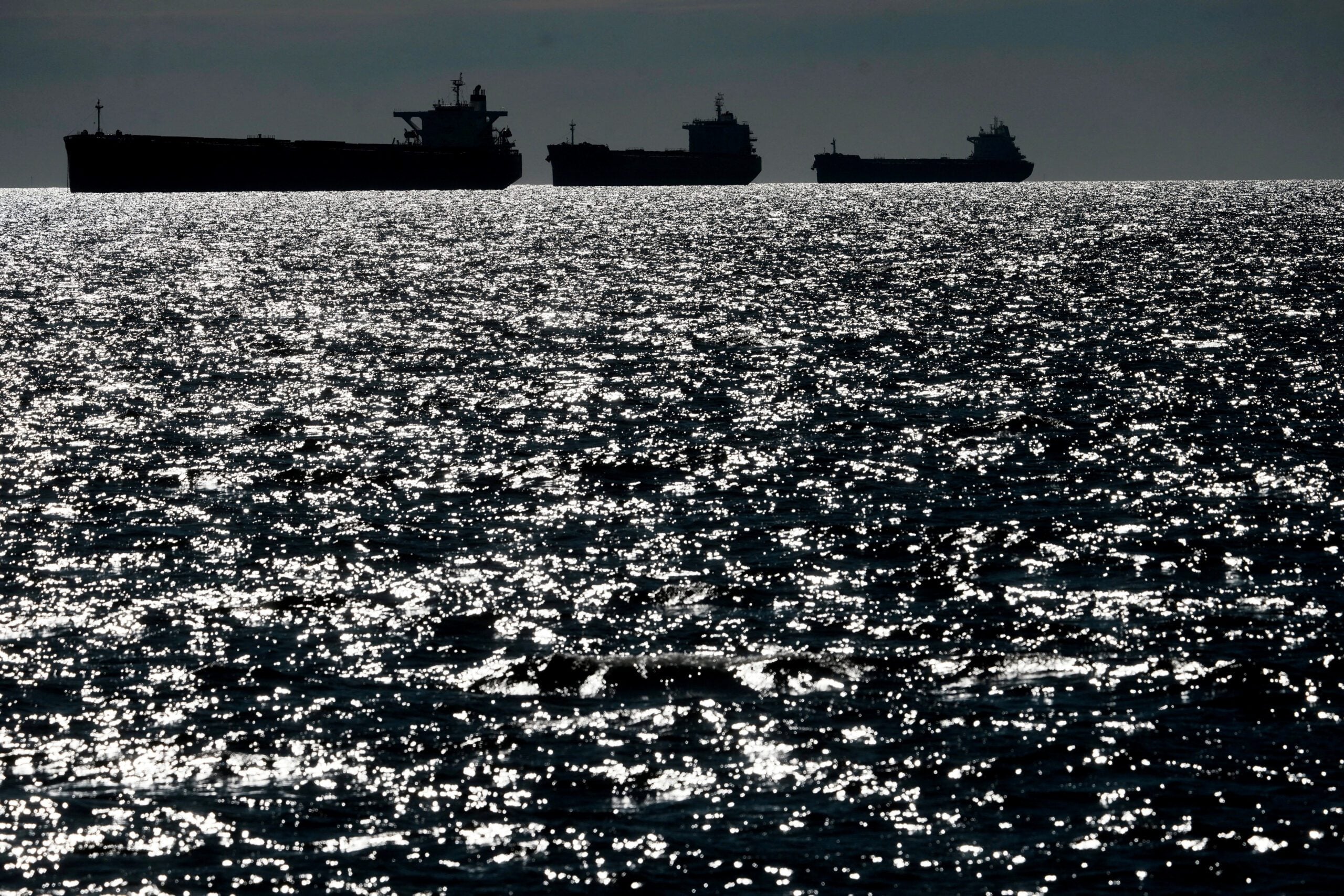
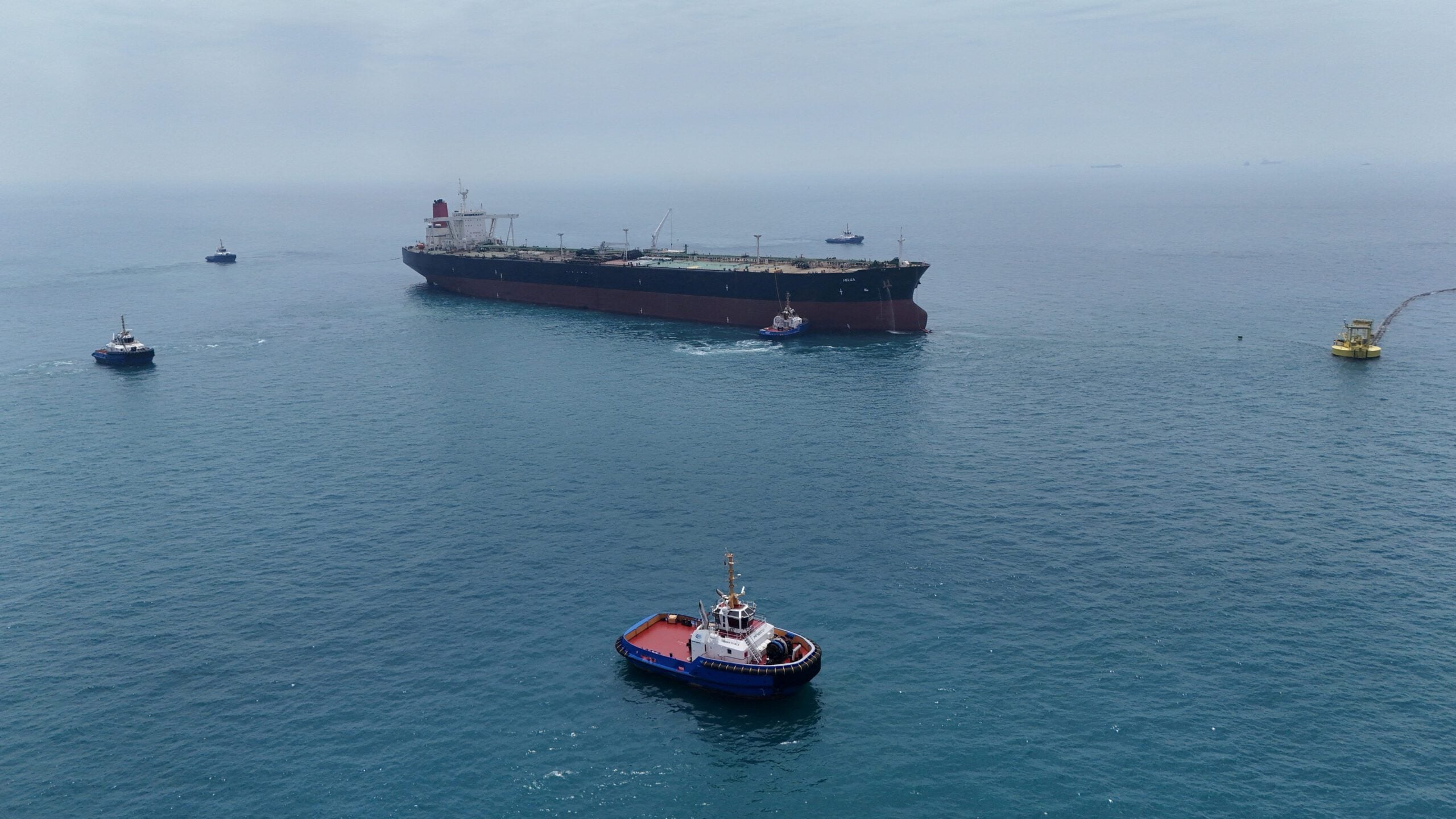
While some vessels have resumed transits through the Strait of Hormuz since the April 8 ceasefire between the United States and Iran, many continue to operate with AIS transponders switched off and often transit under cover of darkness to reduce their exposure to potential threats.
According to Bloomberg, U.S. Central Command has counted nearly 1,000 commercial vessel transits in and out of the Strait of Hormuz since the ceasefire took effect, a figure significantly higher than estimates based solely on commercial ship-tracking data. U.S. officials say the difference is largely attributable to an increasing number of so-called “dark” transits that are not visible through conventional AIS monitoring.
Even so, traffic remains well below pre-war levels.
The latest Joint Maritime Information Center (JMIC) assessment continues to classify the maritime security environment across the Arabian Gulf, Gulf of Oman, and Strait of Hormuz as “CRITICAL.” JMIC said commercial traffic remains limited, routing uncertainty persists, and navigation has become increasingly complicated due to ongoing security measures and operational disruptions.
The organization warned that transit through affected traffic separation schemes and adjacent waters should be considered “extremely hazardous” until threats are mitigated.
JMIC data also showed Strait of Hormuz vessel transits declining 44.4% during the latest reporting week compared with the previous week, underscoring the continued fragility of the recovery.
Dominguez emphasized that responsibility for voyage planning ultimately rests with shipowners and masters, urging companies to conduct realistic risk assessments before entering the region.
“I recall in the strongest possible terms that the ship’s master, and the company, bear the ultimate responsibility for voyage planning and for conducting thorough and realistic risk assessments,” he said.
The IMO chief concluded with a direct warning to operators weighing commercial considerations against safety concerns.
“No commercial or operational consideration can justify exposing seafarers to such levels of danger. The protection of their lives must remain the overriding priority at all times.”
The statement is likely to intensify scrutiny of operators continuing to conduct Hormuz transits as governments, insurers, and industry groups debate whether the strategic waterway can be considered meaningfully reopened while security conditions remain highly uncertain.

 Join The Club