Image via USCG
There may be other examples of ocean crossings that lacked solid planning or risk analysis, but as far as voyages in recent memory, this one certainly takes the cake.
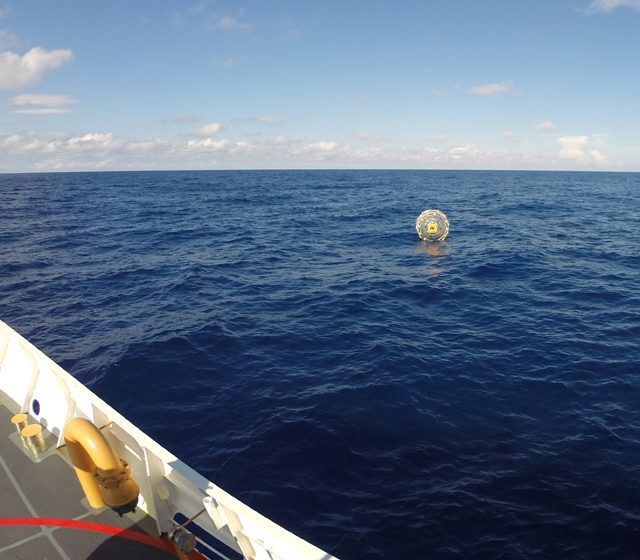
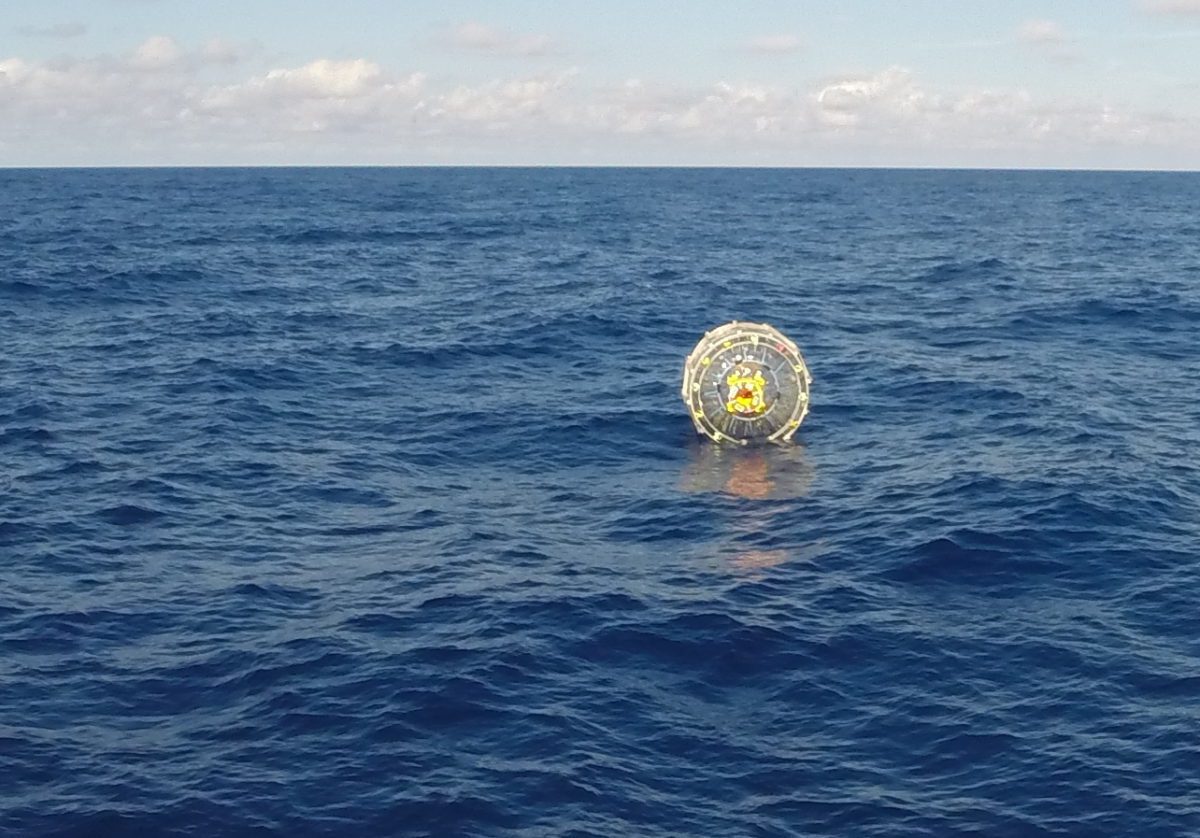
With only protein bars, bottled water, a GPS and a satellite phone, US citizen Reza Baluchi attempted to run from Florida to Bermuda inside a hydro pod bubble.
After a making it 70 nautical miles off the coast of St. Augustine , reports came in to the USCG that Baluchi had started asking for directions to Bermuda on Wednesday, October 1st.
Disregarding the obvious dangers of continuing his trek to Bermuda, conveyed to him by the USCG’s Sentinel-class USCG Cutter Bernard C. Webber as well as Capt. Todd M. Coggeshall, Coast Guard 7th District chief of response officer, he pressed on for another 3 days until finally throwing in the towel and activating his his Personal Locating Beacon (PLB) on Saturday morning.
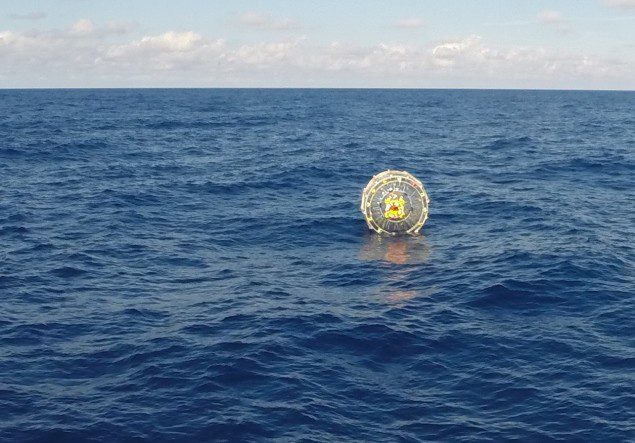
Capt Coggeshall mentioned in a phone conversation with Baluchi that with a 3 knot speed of advance, due primarily to the Gulf Stream, and little if any eastward progress, he would likely be north of Bermuda before exiting the Gulf Stream, which would make any attempt to reach Bermuda futile.
Listen to the conversation HERE.
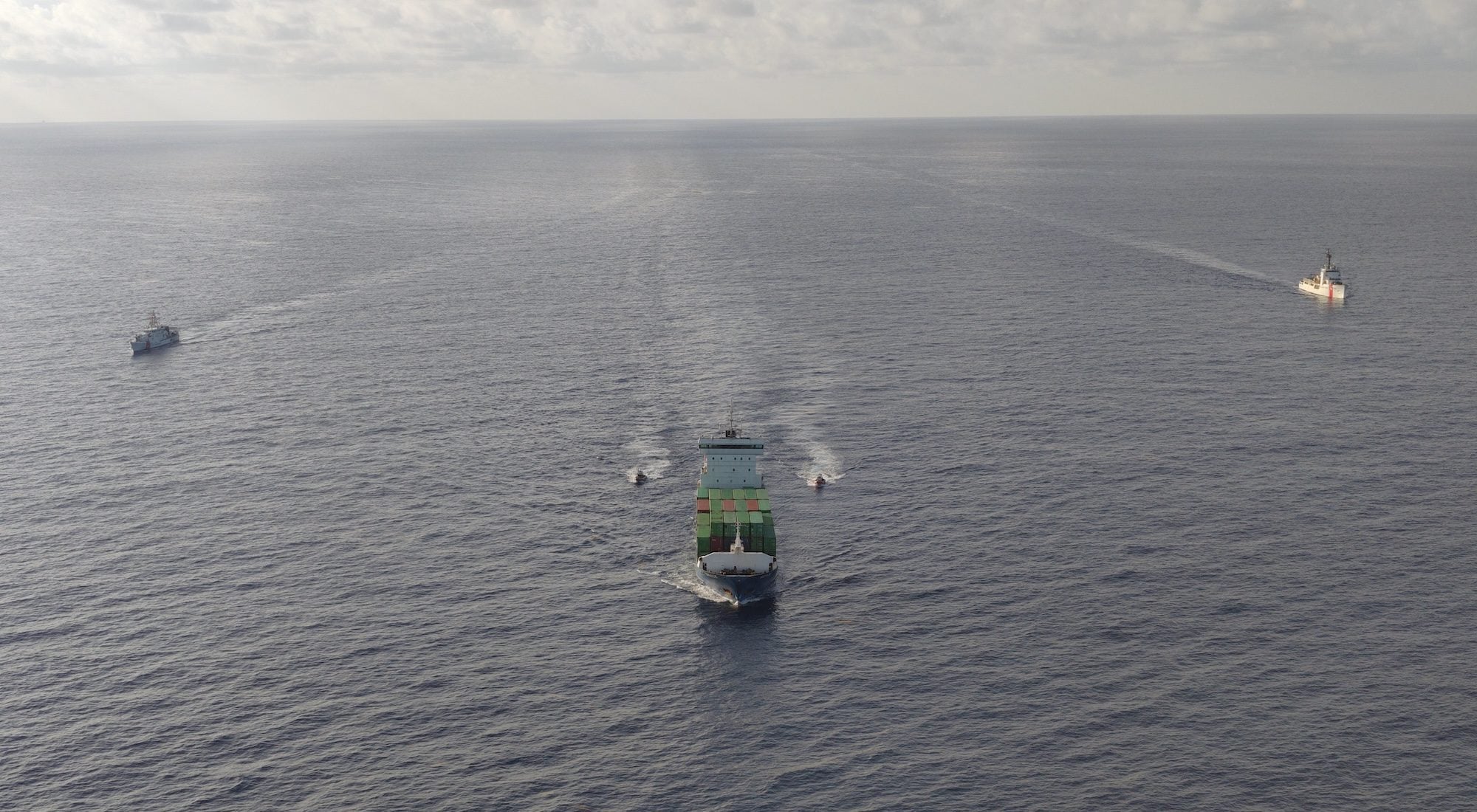
The USCG notes that an HC-130 airplane and MH-60 helicopter crews out of Air Station Clearwater, Florida, were dispatched on Saturday to Baluchi’s position along with the Maersk Montana, a vessel registered with the Automated Mutual Assistance Vessel Rescue System (AMVER).
Watch the rescue here:

 Join The Club