PARIS/LONDON, March 11 (Reuters) – The International Energy Agency (IEA) on Wednesday recommended the release of 400 million barrels of oil, the largest such move in its history, to try to restrain soaring crude prices amid the U.S.-Israeli war with Iran.
The IEA said the release had been unanimously agreed by 32 member countries, with timing to be set out in due course. The Paris-based IEA made its comments as French President Emmanuel Macron chaired a meeting of G7 leaders that will discuss the issue.
Germany’s Economy Minister Katherina Reiche had earlier confirmed reports of the 400-million-barrel figure and said her country would participate in the release. The U.S. and Japan would be the largest contributors to the IEA release, she added.
“Pressure came mainly from the U.S. government which wants this release,” an EU diplomat said, speaking before the IEA statement.
U.S. Interior Secretary Doug Burgum welcomed reports of the planned release.
“This is the perfect time to think about releasing some of those to take some pressure off of the global price,” he said in an interview with Fox News.
Burgum said, however, he did not believe the world was facing an energy shortage.
“We’ve got a transit problem, which is temporary,” he said. “You have a temporary transit problem that we’re resolving militarily and diplomatically, which we can resolve and will resolve.”
Analysts have said the pace of daily IEA stock releases would matter as much as if not more than the overall size.
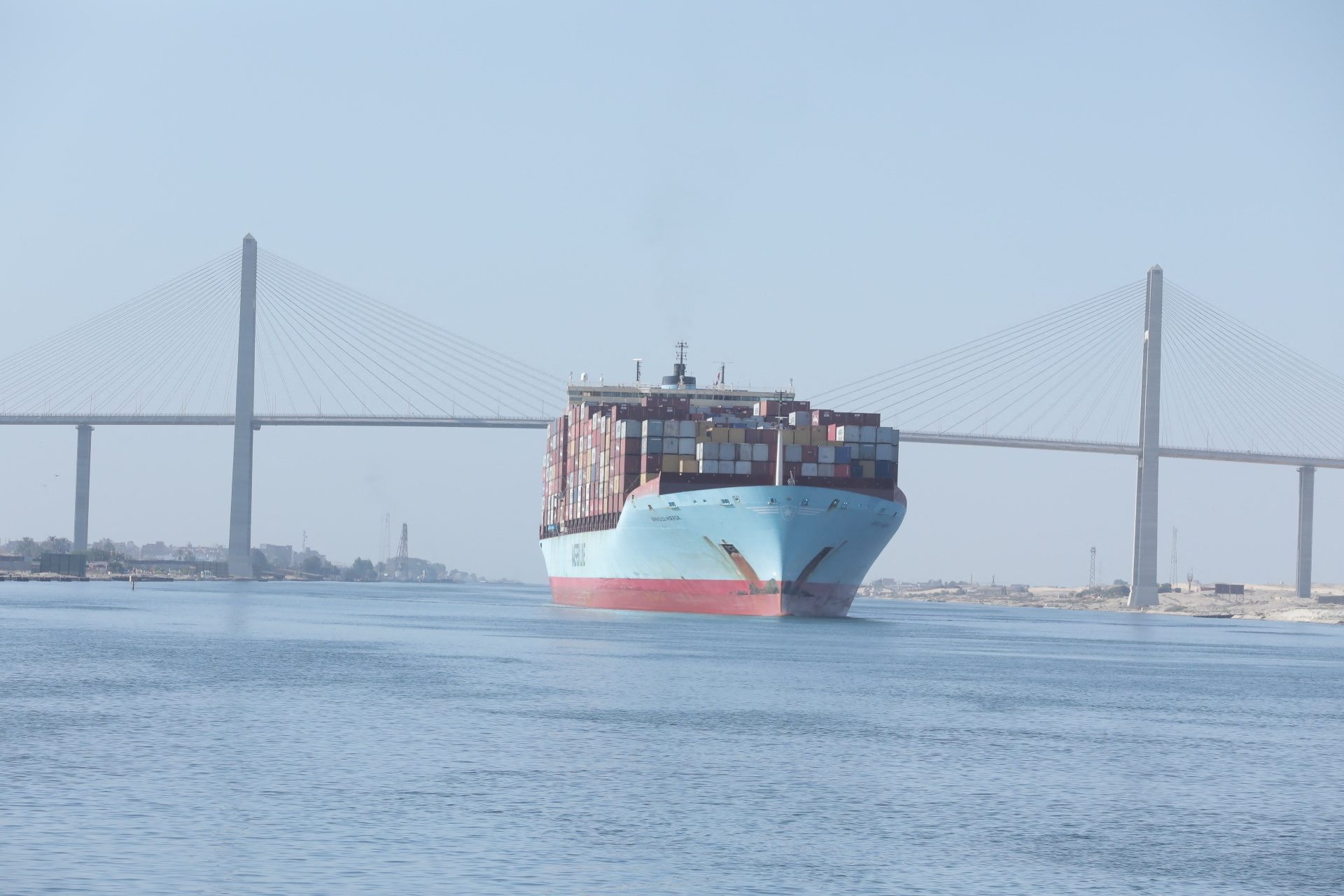
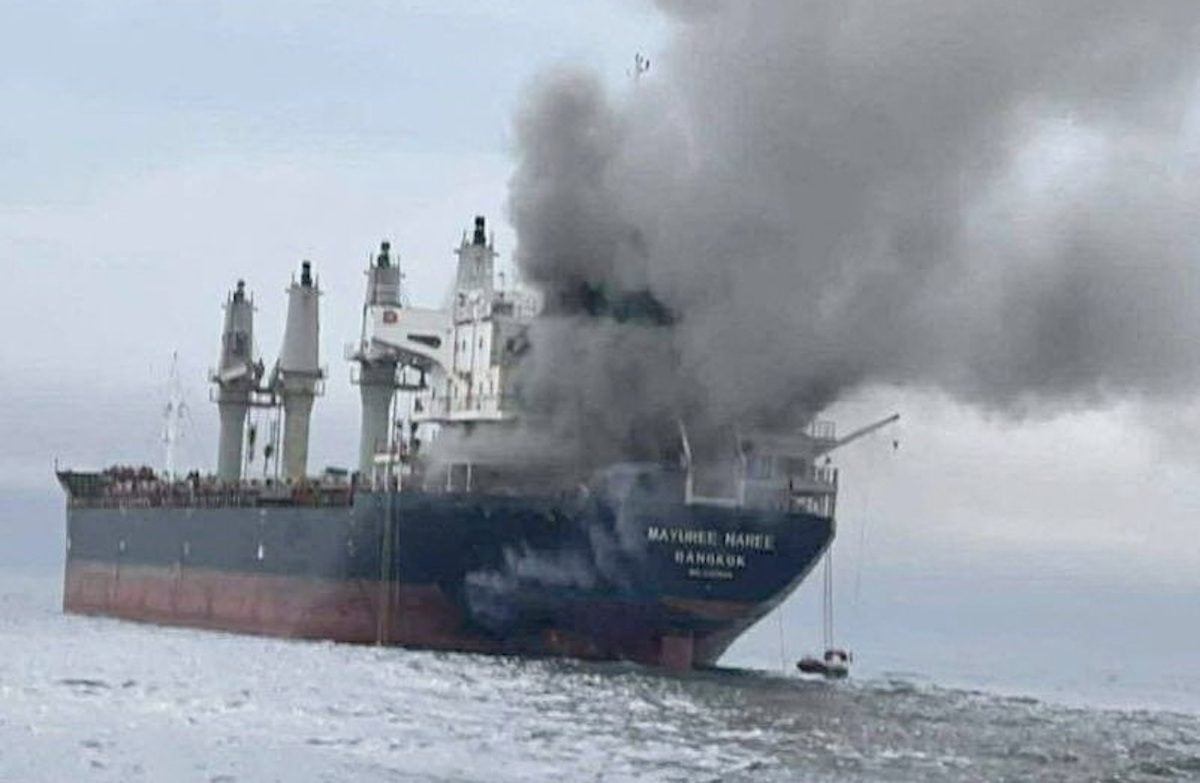
If 100 million barrels were released over the next month, the daily pace will amount to around 3.3 million barrels per day – a fraction of the current disruption of around 20 million barrels per day, with the Strait of Hormuz between Iran and Oman effectively blocked.
Oil prices rebounded on Wednesday as markets doubted whether the IEA’s plan could offset potential supply shocks from the conflict.
(Reporting by Alex Lawler in London, America Hernandez in Paris, Pietro Lombardi in Madrid, Richard Valdmanis, Fabiola Arámburo in Mexico City; Jekaterina Golubkova, Kantaro Komiya and Makiko Yamazaki in Tokyo, Andreas Rinke, Matthias Williams and Ludwig Burger in Berlin; Heejin Kim and Jihoon Lee in Seoul. Writing by Keith WeirEditing by Himani Sarkar, Tom Hogue, Clarence Fernandez, Raju Gopalakrishnan, Philippa Fletcher)
(c) Copyright Thomson Reuters 2026.
Editorial Standards · Corrections · About gCaptain
This article contains reporting from Reuters, published under license.

 Join The Club