By Paul Morgan (gCaptain) – The Strait of Hormuz is bleeding trade confidence again. Barely a month after Washington and Tehran signed a memorandum of understanding meant to end months of tanker attacks, the truce has come apart. Both sides are back to trading strikes, and the world’s most important oil chokepoint is once more too dangerous for many owners to risk.
The numbers tell the story better than the rhetoric. War risk hull premiums, which sat at a nominal fraction of one percent before the crisis began in February, have surged to between three and ten percent of a vessel’s insured value. For a $100 million tanker, that is the difference between a premium of roughly $250,000 and one running as high as $10 million for a single transit.
Neil Roberts, head of marine and aviation at the Lloyd’s Market Association, described a market that has been “on a roller coaster” tracking the price of oil and the pace of attacks. Rates softened briefly when the MoU was signed in June. They rose again within days of fresh strikes on commercial vessels.
The collapse has been building since the spring. A tentative calm followed the original 8 April ceasefire, but each subsequent lull has been broken by a fresh round of strikes. The pattern has repeated at least three times: Iranian attacks on shipping, US retaliation against Iranian military targets, and Iranian strikes back on American facilities in the Gulf.
In the most recent cycle, Iran’s Revolutionary Guard Corps struck US assets across the Middle East following renewed American bombardment of Iranian cities, according to Iranian state media. Oil prices jumped briefly above $90 a barrel on the news, before easing after Iran’s foreign ministry indicated mediators had put fresh proposals to Tehran.
That is the pattern the market has learned to read: spikes on every escalation, partial retracement whenever diplomacy looks even faintly alive. Both are symptoms of the same underlying problem. Nobody in the shipping or insurance world believes this ceasefire, or any that follows it, is durable. Commercial shipping has borne the direct cost. Three vessels were attacked in the Strait in early July, including a Qatari-flagged LNG carrier, days after the US and Iran had agreed to halt tit-for-tat strikes. Iran accused the vessels of transiting without its permission, an interpretation of the MoU that Tehran has used to assert control over traffic through the waterway.
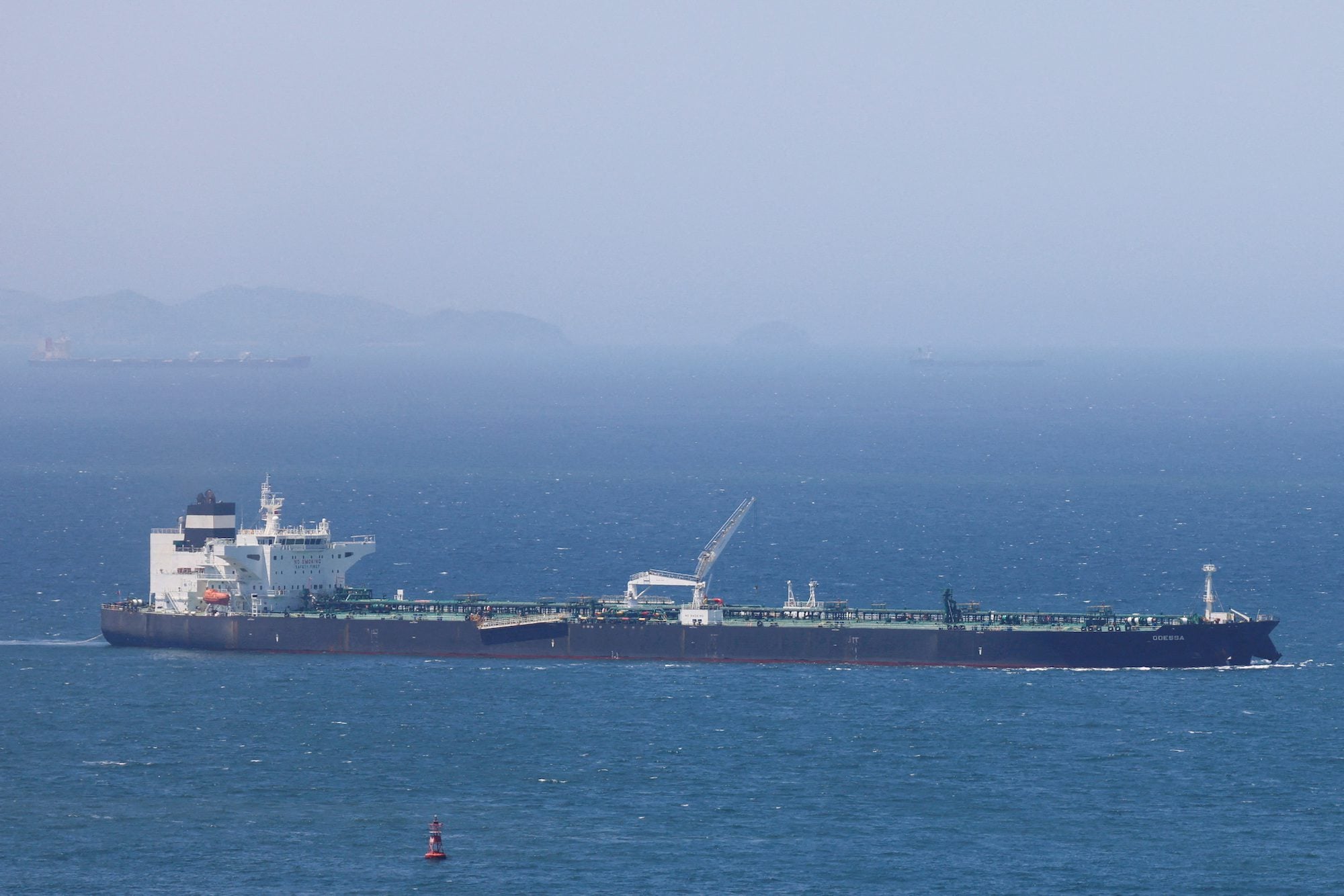
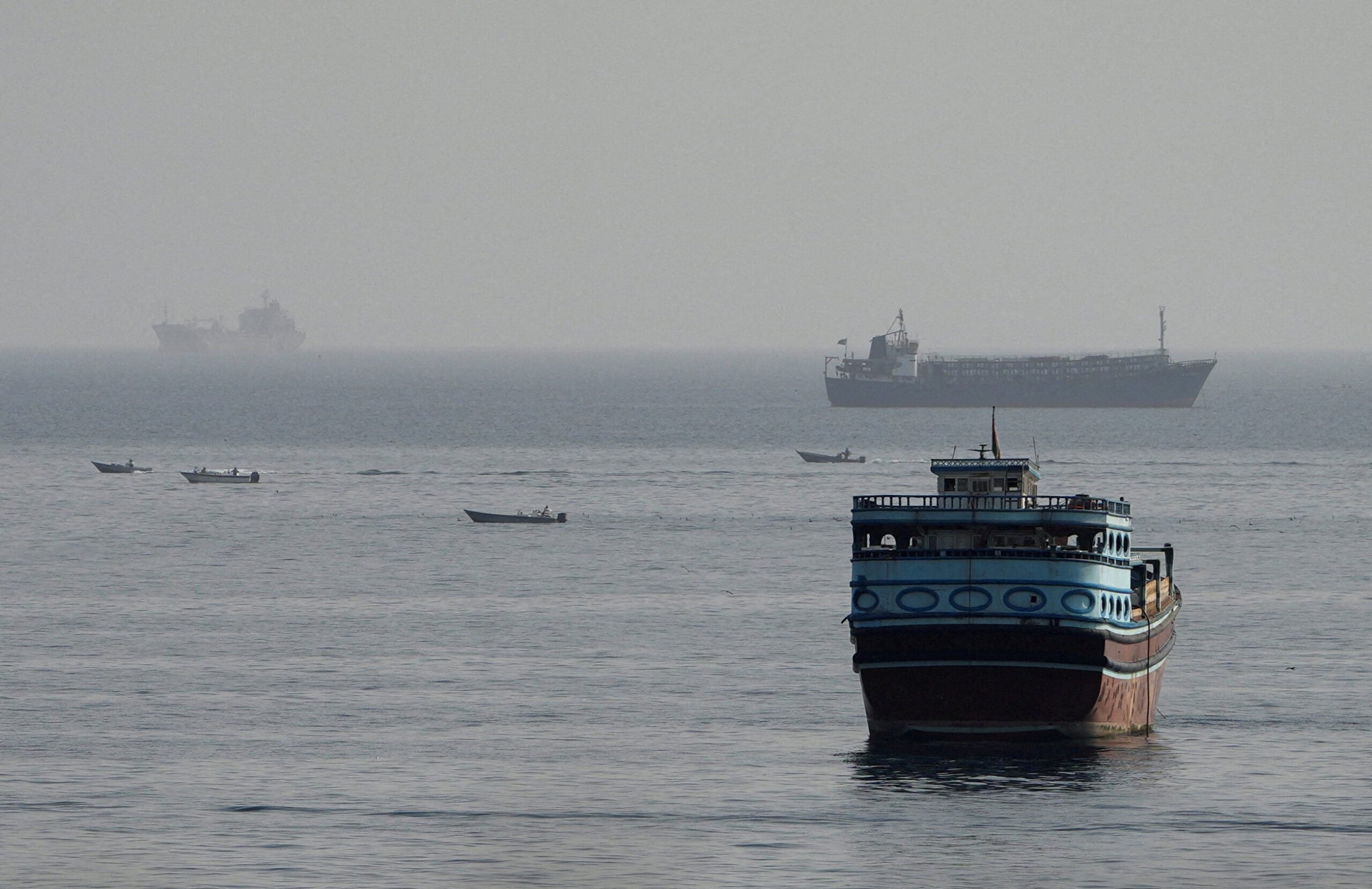
Transit numbers have collapsed as a result. At one point only six ships crossed the Strait in a single day, the lowest figure in five weeks. Hundreds of vessels have been left at anchor beyond the entry points, unwilling or unable to proceed.
The human cost sits alongside the financial one. The International Maritime Organization’s own incident log records seafarers killed and injured through July, including fatalities aboard vessels struck while transiting the waterway. Around 6,000 seafarers remain effectively trapped in the region.
The insurance market has pushed back hard on one persistent claim: that reduced traffic reflects an inability to get cover. The Lloyd’s Market Association has stated publicly that war risk insurance remains available in the London market, and that owners are choosing not to transit on safety grounds rather than being priced out entirely. Liability cover through the P&I Clubs is non-cancellable and remains reinsured in London, the LMA notes. What has moved is the price of hull, cargo and fixed-premium charterers’ cover, some of which was cancelled outright earlier in the crisis before being repriced.
Governments have stepped in to backstop the gap. The US International Development Finance Corporation was directed to provide political risk insurance, partnering with commercial insurers on a reinsurance facility offering up to $40 billion in revolving cover across hull, cargo and liability risk. Chubb was named lead partner on that facility, offering war hull, war P&I and war cargo cover, though the conditions attached have not been fully disclosed.
The major industry bodies have issued their clearest warning yet. BIMCO, the International Chamber of Shipping, INTERTANKO, OCIMF, INTERCARGO and IMCA jointly published a 22-page advisory stating that even a technically open Strait may not be safe to transit. The document warns of kinetic threats, electronic warfare, mines, drones, GPS spoofing and heavy congestion all occurring at once.
On the contractual side, owners are leaning on the standard war risks provisions built into most charterparties. BIMCO’s CONWARTIME and VOYWAR clauses allow an owner to refuse an order to proceed where, in the master’s or owner’s reasonable judgment, the vessel, cargo or crew may be exposed to war risk.
Sanctions add a further layer of complexity. Because the IRGC is a proscribed or sanctioned entity in both the UK and the EU, standard BIMCO sanctions clauses bar charterers from issuing any order that would involve a sanctioned party or activity, including compliance with Iranian demands over Strait passage. Legal advisers are pointing owners toward guidance from the US Treasury’s Office of Foreign Assets Control on exactly this risk.
The International Maritime Organization has no authority to close or guarantee the Strait, and its public position reflects that limitation. Secretary-General Arsenio Dominguez has repeatedly condemned attacks on commercial shipping, most recently urging flag states, owners and operators to avoid exposing seafarers to unnecessary danger while their safety cannot be assured. The organisation has also joined United Nations calls for de-escalation, warning that disruption to the Strait carries socioeconomic and humanitarian consequences reaching far beyond the region. IMO evacuated roughly 11,000 seafarers in June after the MoU was signed, only to pause the operation on 25 June once attacks resumed.
For owners and charterers, the practical calculus has not changed in months, only sharpened. War risk cover is available but expensive, and getting more expensive with every escalation. Government-backed reinsurance facilities are easing the worst of the capacity crunch, but they have not brought rates back to anything resembling normal.
Chartering bodies are, in effect, advising the industry to treat the Strait as unsafe regardless of its formal legal status. And the IMO, for all its condemnations, remains a voice for restraint rather than a body with the power to enforce it.
Until Washington and Tehran produce an agreement that actually holds, rather than another pause between rounds of strikes, that combination of high premiums, cautious owners and stranded crews looks set to define Gulf shipping for the immediate future.

 Join The Club