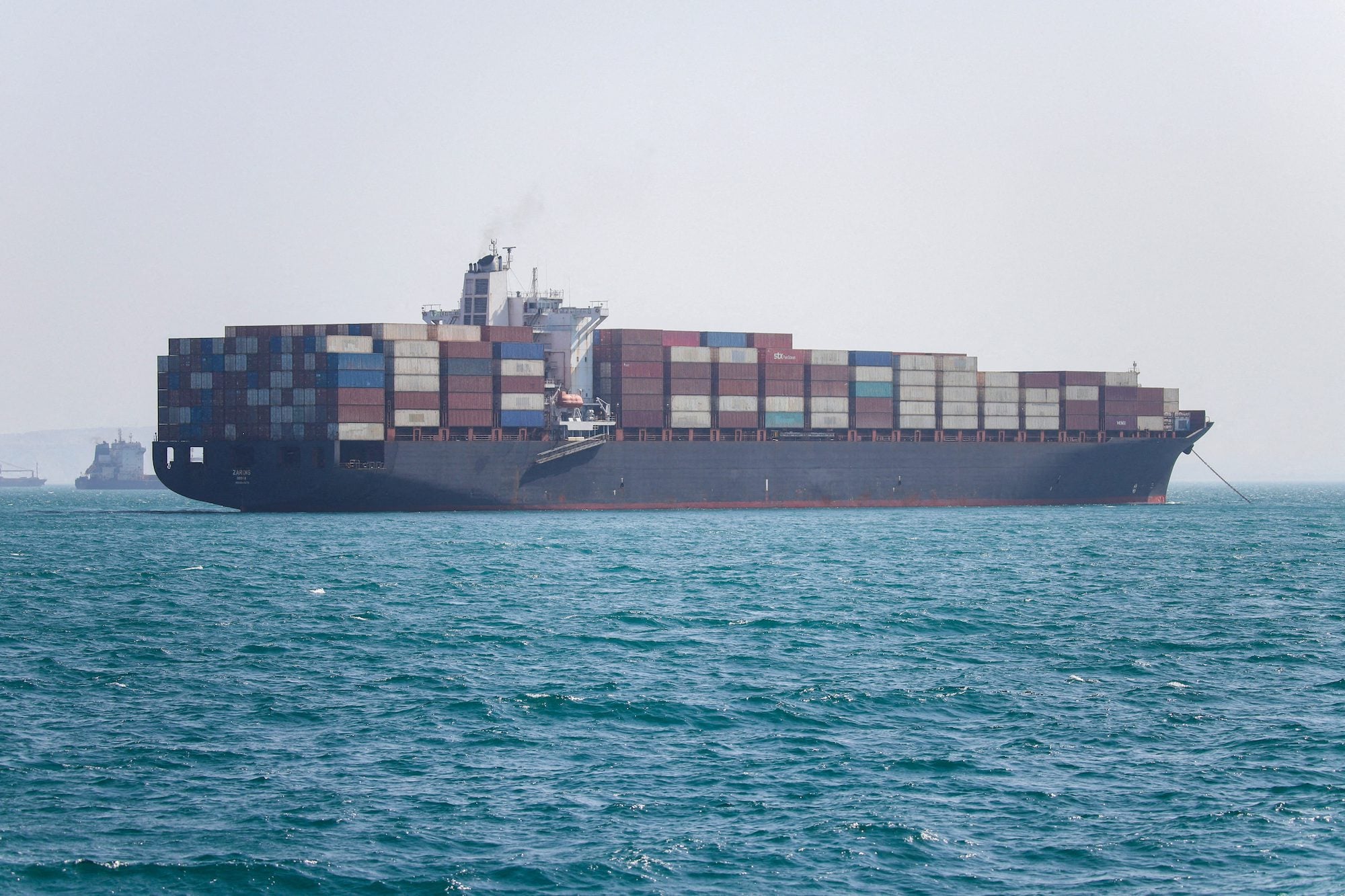
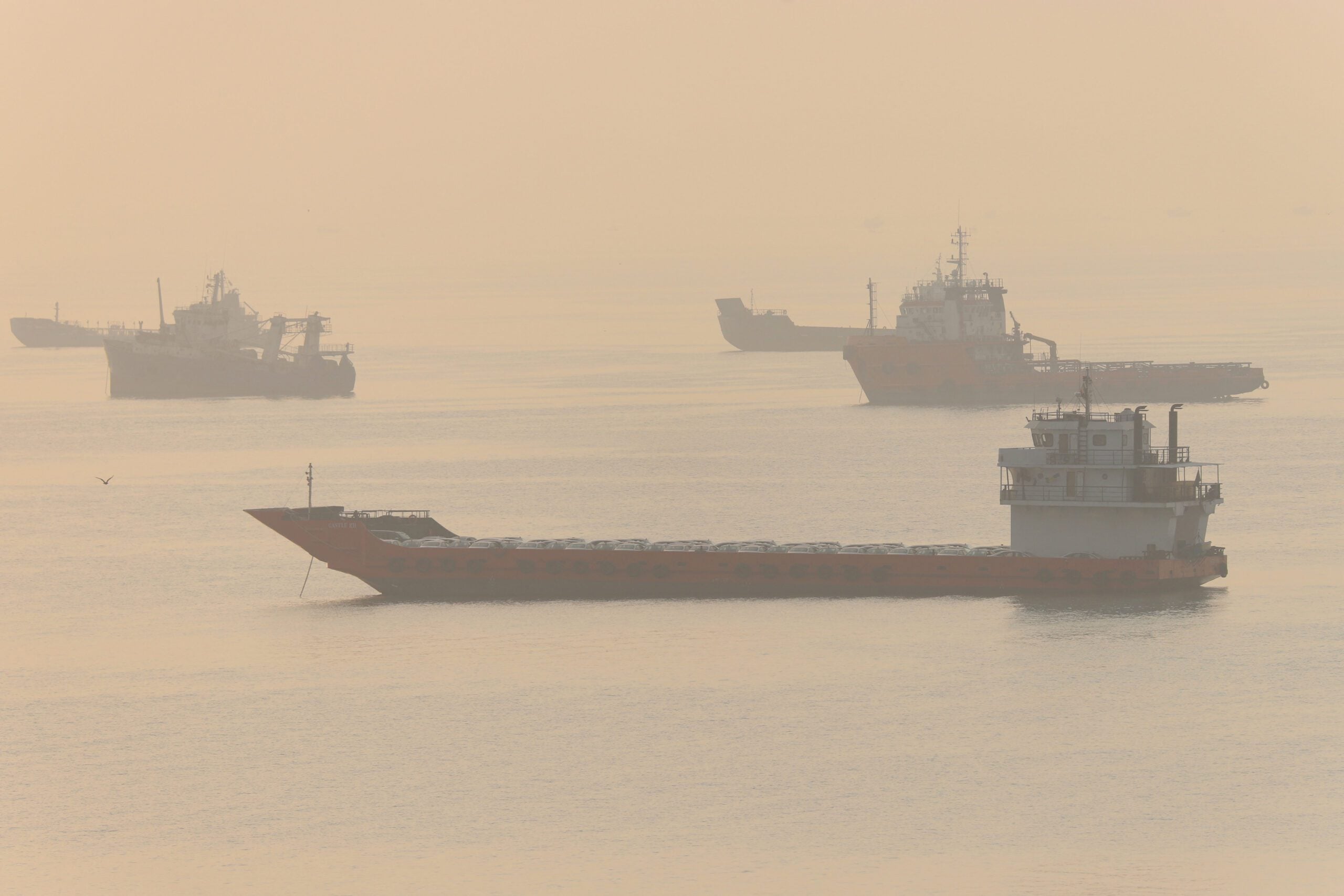
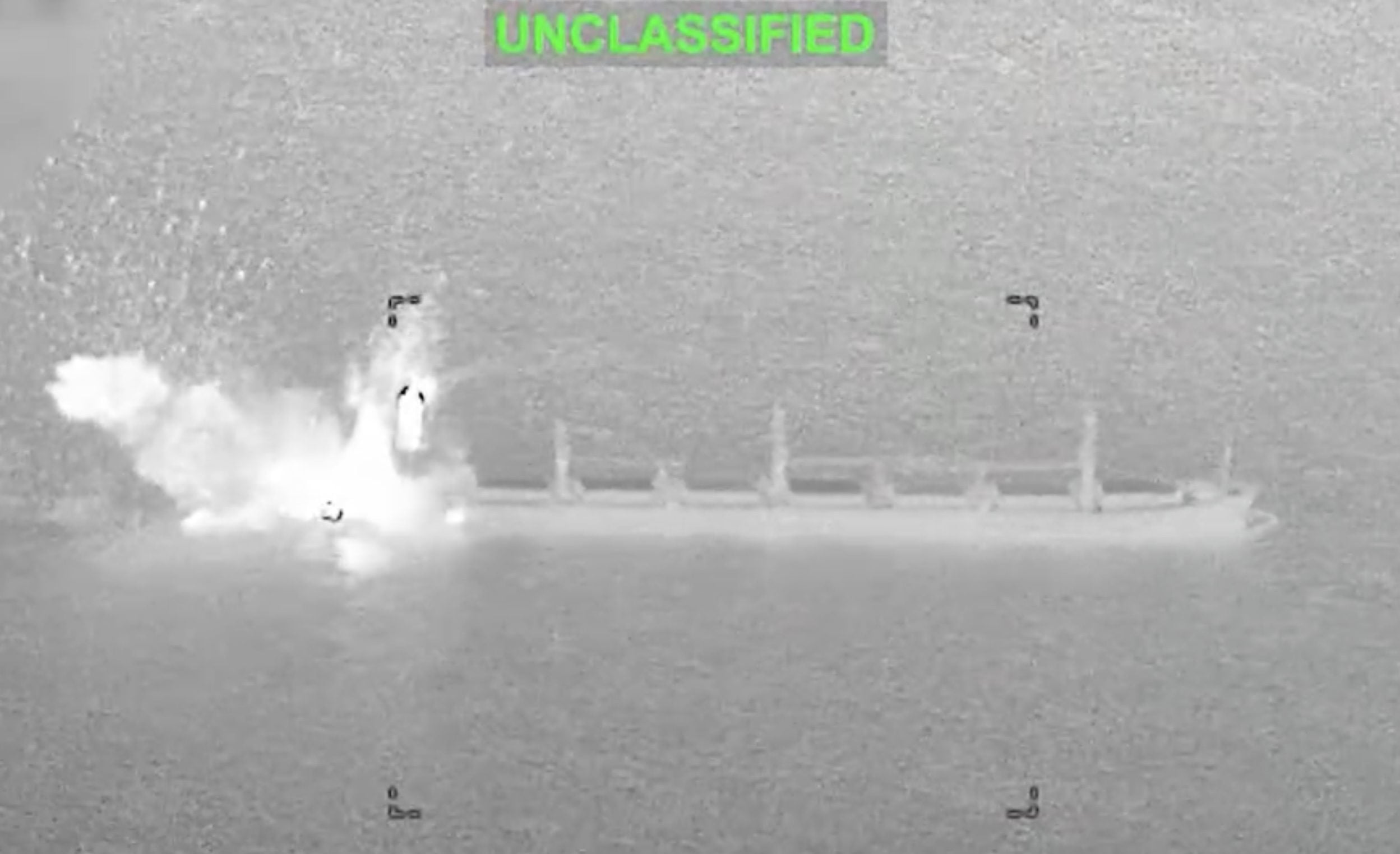
The global shipping industry has released sweeping new guidance for vessels transiting the Strait of Hormuz, warning that even if the waterway remains technically open, conditions inside the chokepoint may still be too dangerous for safe navigation.
The 22-page advisory, issued jointly by major industry groups including BIMCO, International Chamber of Shipping, INTERTANKO, OCIMF, INTERCARGO, and IMCA, paints one of the clearest pictures yet of the deteriorating operational environment facing merchant ships in and around the Strait of Hormuz.
The document warns that vessels may face a “high workload and high-stress operating environment” where kinetic threats, electronic warfare, heavy congestion, mines, drones, AIS spoofing, and navigation hazards could all occur simultaneously.
“Transit planning must consider both security risk and navigational risk,” the guidance states.
The advisory comes as commercial shipping through Hormuz remains severely disrupted following months of conflict involving the United States, Israel, and Iran. Industry organizations said Masters and ship operators should continuously reassess whether a transit is necessary at all.
“When based on the latest security threat assessment, should the risk be increased, then deferment of transit should be considered a safer option,” the document states.
One of the most striking warnings involves the possibility of extreme congestion should transit windows suddenly reopen after periods of closure or heightened threat.
The guidance says large numbers of vessels attempting simultaneous passages could create “chain-reaction manoeuvres,” unstable CPA calculations, hazardous overtaking situations, and increased grounding or collision risks in the narrow Traffic Separation Scheme.
Operators are warned that reduced military oversight and limited salvage capability could leave ships largely on their own if propulsion or steering failures occur inside the transit corridor.
The guidance also highlights persistent concerns over electronic warfare in the region. Industry groups warned that attackers have used AIS spoofing to inject false vessel targets into navigation systems in an effort to manipulate ship movements.
“Visual and radar observations must be prioritised,” the document says.
The guidance instructs vessels to prepare for the “total unavailability — or unreliability — of the GNSS signal for the entirety of the transit,” recommending continuous dead reckoning, radar plotting, paper charts, and manual position fixing.
“No single position is universally safe,” the guidance warns in its section on waiting areas and anchorages.
Among the more unusual recommendations, operators are advised to consider disabling Bluetooth, Wi-Fi, and location services on personal mobile devices amid fears that connected devices could leak vessel position data.
The document also outlines detailed operational recommendations for bridge teams, including:
- Master or Chief Officer continuously on the bridge
- Dedicated radar plotters and lookouts
- Manned engine rooms
- Manual steering where conditions warrant
- Enhanced fatigue management procedures
- Pre-transit drills for GNSS failure, propulsion loss, steering failure, and security incidents
The advisory further warns of continued risks from unmanned surface vessels, limpet mines, combat swimmer sabotage, missile and drone attacks, unexploded ordnance, and possible errant mines remaining in the water following clearance operations.
Ships are also advised to maintain at least a 30-nautical-mile separation from U.S. military vessels and to avoid major course alterations or speed reductions during transit unless absolutely necessary.
Notably, the industry guidance acknowledges that both northern and southern routes through the Strait may carry mine risks, underscoring the lack of any fully secure corridor.
The advisory stops short of issuing a formal “go/no-go” recommendation, but it establishes a decision framework that strongly encourages operators to defer transits if recent kinetic activity, electronic interference, traffic compression, crew fatigue, or unresolved security concerns materially degrade navigational safety.
The document repeatedly emphasizes that the safety of life at sea remains the overriding priority.

 Join The Club