The maritime security environment across the Persian Gulf, Strait of Hormuz, and Gulf of Oman remains at a “CRITICAL” threat level, according to the latest advisory issued Thursday by the Joint Maritime Information Center (JMIC), which warns that attacks on commercial shipping are becoming both more frequent and geographically widespread.
The new JMIC Update 12 advisory highlights three additional vessel strikes within the past 24 hours, bringing the number of reported maritime security incidents in the region to more than 20 since hostilities began on February 28.
Crucially, analysts say the pattern of attacks does not appear to selectively target Western-owned vessels, suggesting the campaign is aimed at broad disruption of maritime traffic rather than politically targeted strikes against specific operators or national flags.
“The incidents involve a wide range of vessel types and flag states, with no consistent pattern of Western ownership linkage,” the advisory states.
Attacks Expanding Beyond Shipping Lanes
The advisory also warns that attacks are no longer limited to vessels transiting chokepoints, marking a significant shift in the operational threat environment.
Recent incidents indicate that strikes may occur across a much broader operating area of the Arabian Gulf, including anchorages, port approaches, and offshore operations such as ship-to-ship (STS) transfers, according to the report.
That evolving pattern was reflected in the latest incidents:
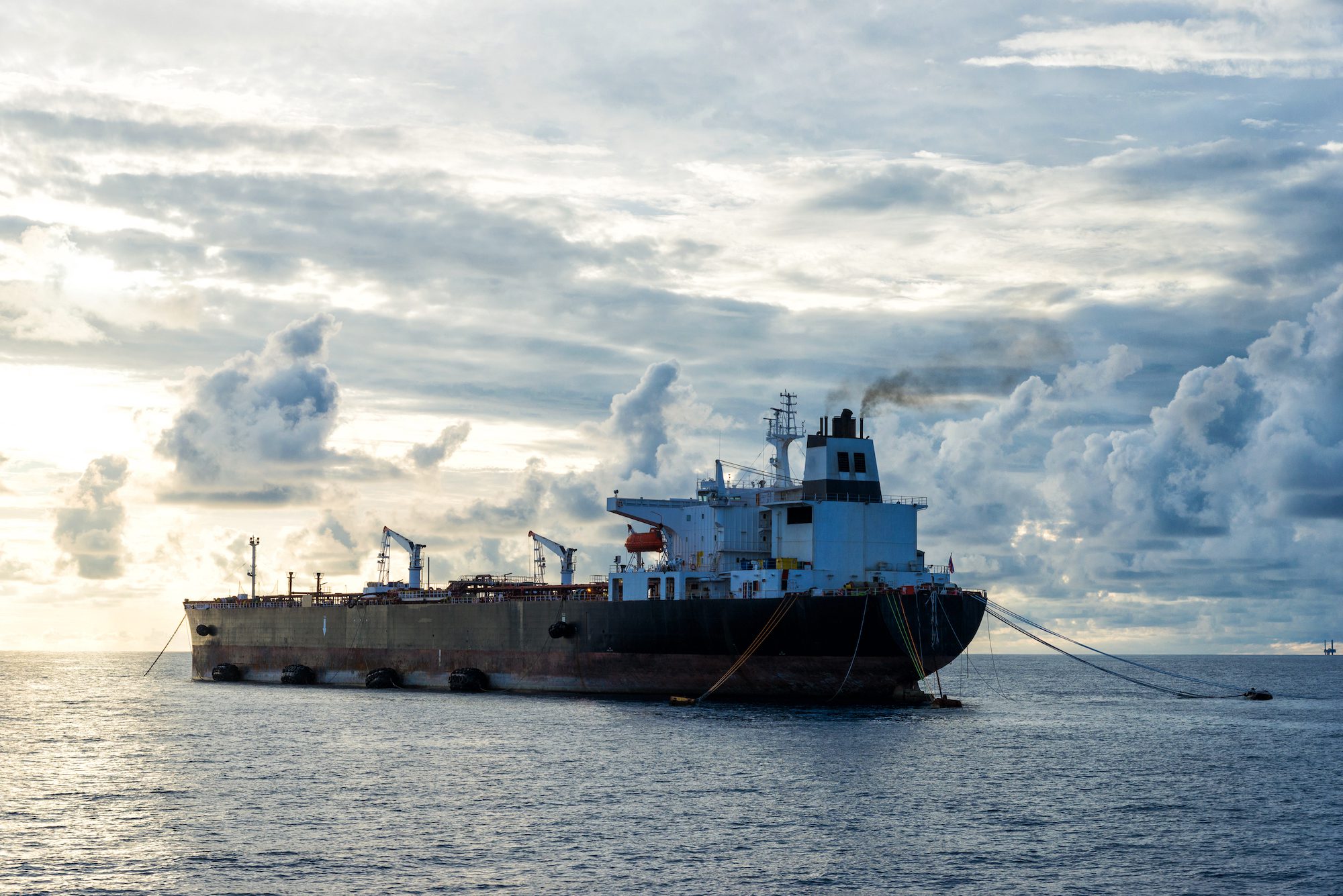
- Tanker ZEFYROS – struck by projectiles while conducting an STS transfer about 5 nautical miles south of Al Basrah, Iraq, leaving the vessel adrift after a fire.
- Tanker SAFESEA VISHNU – also hit during the STS operation in the same area, with the crew abandoning ship and one reported casualty.
- Container ship SOURCE BLESSING – struck by a projectile while anchored about 35 nautical miles north of Jebel Ali, UAE, causing a fire onboard but no reported injuries. Update 012 – JMIC Advisory Note…
The incidents illustrate how stationary vessels and offshore transfer operations may now face elevated risk, not just ships moving through traditional shipping corridors.
Maritime Conflict Expands
Since the start of the conflict on March 1, the JMIC has recorded more than twenty attacks and maritime security incidents involving commercial vessels and offshore infrastructure across the region.
The incidents span a wide range of vessel types—including tankers, container ships, bulk carriers, tugboats, and offshore energy installations—highlighting the breadth of the threat.
Among the vessels affected in recent days:
- SAFEEN PRESTIGE, a container ship damaged in the Strait of Hormuz after a suspected explosive attack.
- SONANGOL NAMIBE, a tanker hit by an explosion that damaged its cargo hold and caused an oil leak in the northern Arabian Gulf.
- ONE MAJESTY, a container ship struck by a projectile causing structural damage.
- MAYUREE NAREE, a bulk carrier hit by a projectile that triggered an engine-room fire and forced the crew to abandon ship. Update 012 – JMIC Advisory Note…
The attacks have also extended to maritime infrastructure, including drone strikes on fuel storage tanks at the Port of Salalah in Oman, underscoring the vulnerability of regional logistics hubs.
Hormuz Traffic Near Standstill
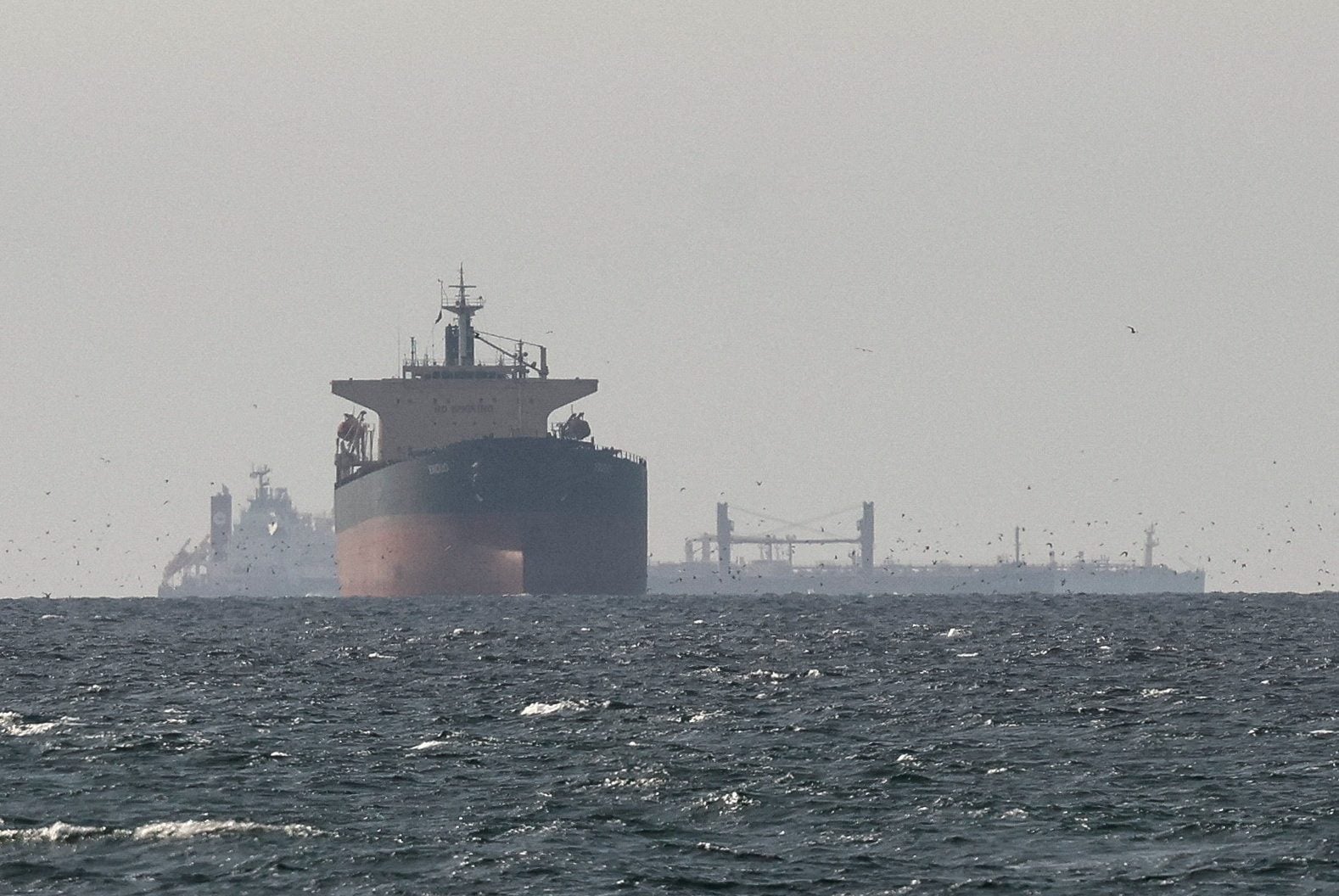
At the same time, shipping traffic through the Strait of Hormuz—one of the world’s most important energy chokepoints—has nearly collapsed.
AIS monitoring cited in the advisory shows that only one commercial cargo vessel transit was confirmed in the past 24 hours, compared with a historical average of roughly 138 daily transits through the strait.
While some vessels may be transiting with AIS disabled, the data indicates that commercial shipping activity remains severely suppressed as operators avoid the region.
Navigation Disrupted by Electronic Warfare
Compounding the risks, the advisory reports widespread GNSS and GPS interference across the region, with more than 600 disruption events recorded in the past 24 hours affecting navigation systems.
The interference has caused AIS anomalies, position offsets, and signal degradation affecting hundreds of vessels.
Mariners are being advised to increase bridge vigilance and rely on traditional navigation techniques such as radar ranges and visual bearings where electronic navigation systems are unreliable.
Outlook
JMIC warns the maritime threat environment across the Arabian Gulf and Strait of Hormuz is likely to remain highly volatile in the coming days, with continued risks from missiles, drones, and unmanned surface vessels.
Particular concern exists for stationary ship at anchor or drifting, ship-to-ship transfer operations, and port approaches and offshore energy facilities.
As the conflict enters its third week, the advisory concludes that the attacks appear designed to disrupt maritime activity across a wide operating area rather than simply block a single chokepoint, creating one of the most dangerous operating environments for merchant shipping in decades.
Editorial Standards · Corrections · About gCaptain

 Join The Club