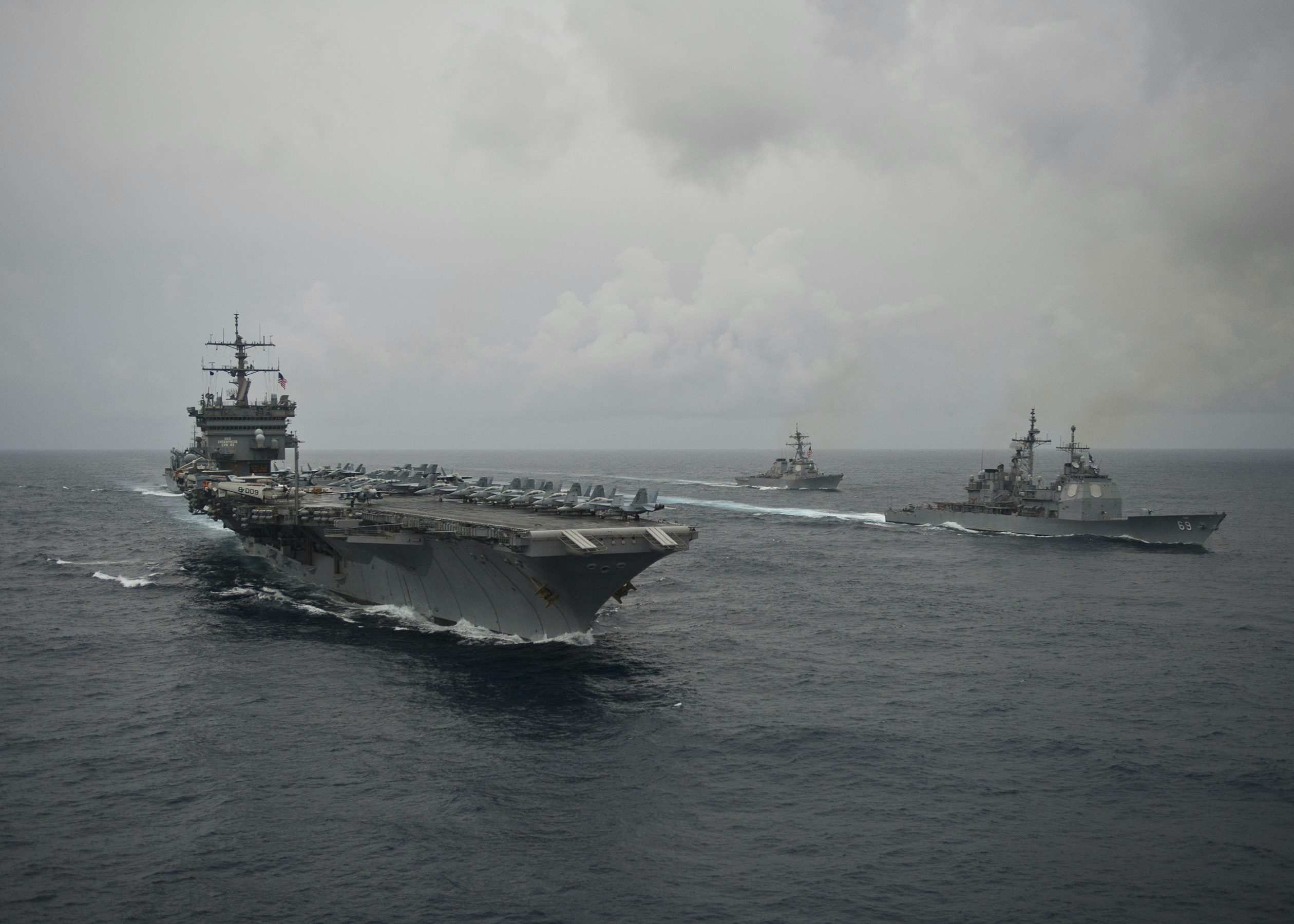
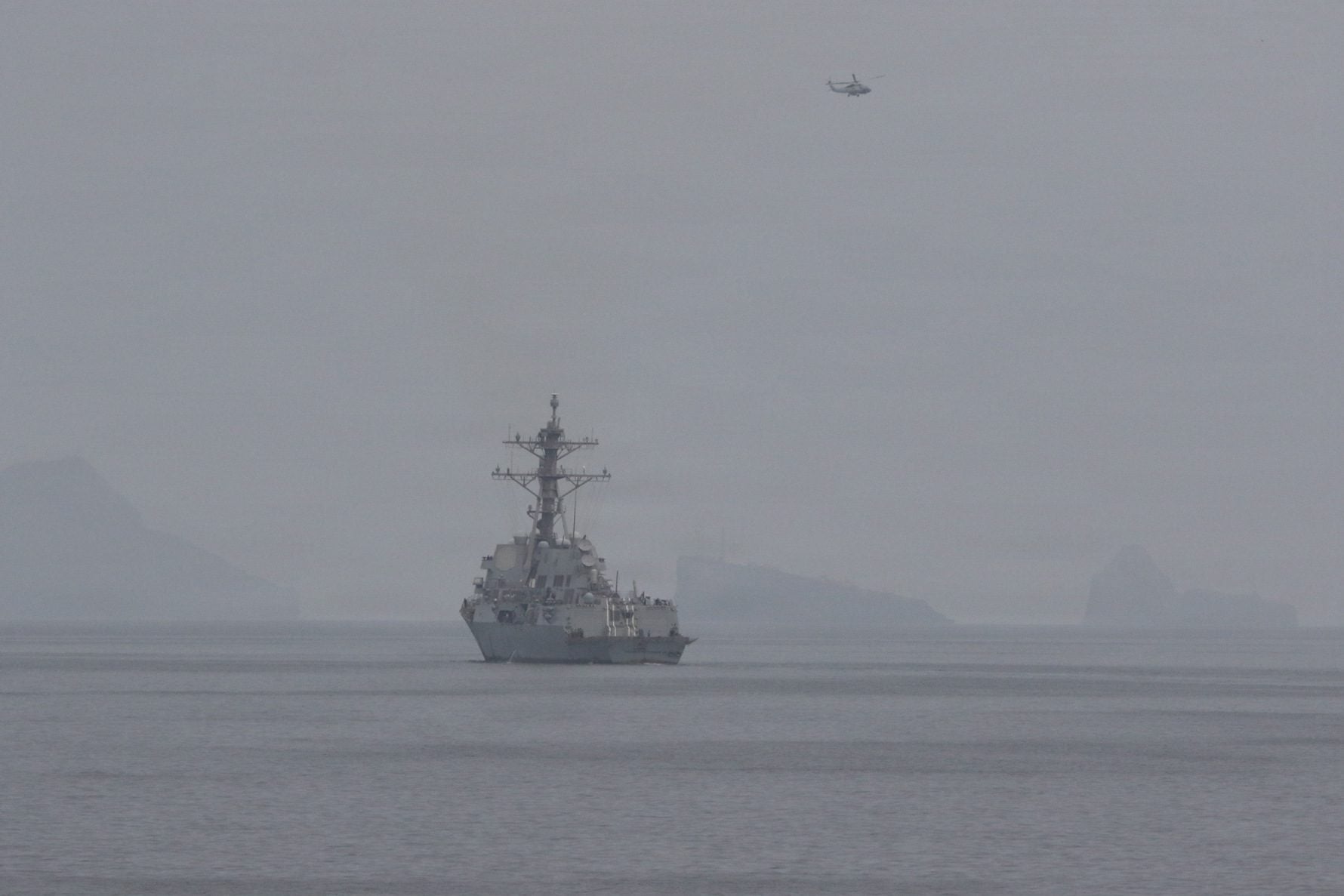
The U.S. Navy’s ambitious modernization program for its Ticonderoga-class guided-missile cruisers has largely failed to meet its objectives, resulting in billions in wasted taxpayer dollars, according to a new Government Accountability Office (GAO) report.
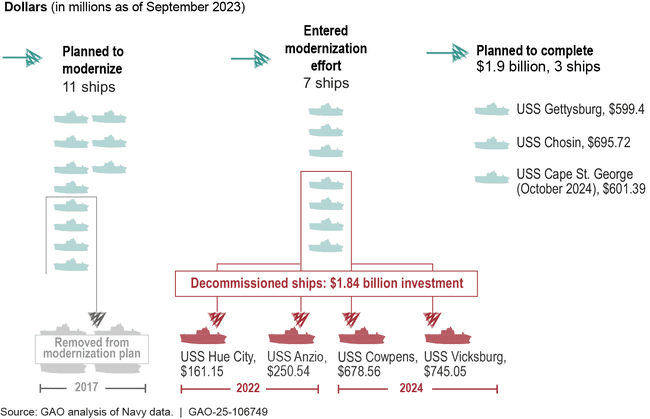
Since 2015, the Navy has invested approximately $3.7 billion in modernizing seven cruisers, but the program’s outcomes have fallen dramatically short of expectations. Of these vessels, only three will complete the modernization process, with none achieving the intended five-year service life extension.
“The Navy wasted $1.84 billion modernizing four cruisers that have now been divested prior to deploying,” states the GAO report. The program has been particularly marred by a case involving the USS Vicksburg, where contractors performed substandard work on the vessel’s sonar dome, a crucial component for anti-submarine warfare capabilities.
The report joins other recent GAO assessments critical of Navy and Coast Guard modernization and expansion programs.
According to the GAO, the root of these issues lies in inadequate planning, which led to an overwhelming 9,000 contract changes and subsequent cost overruns. Compounding these problems, the Navy’s leadership made controversial decisions that weakened quality control measures. In 2018, they restricted the ability to impose monetary penalties on contractors, and by 2020, they had reduced vital inspections by nearly 50 percent.
The Navy contracts with private shipyards to maintain and modernize its non-nuclear surface ships.
The modernization program’s troubled history dates back to 2012-2013 when Congress rejected the Navy’s initial proposal to retire several cruisers due to budget constraints. Instead, Congress provided funding for modernization, aiming to extend the service life of 11 cruisers by five years while upgrading their combat capabilities.
In response to these findings, the GAO has issued six recommendations, focusing on the need for the Navy to analyze the root causes of unplanned work and implement stronger quality assurance measures. The Navy has agreed to all recommendations, though the impact of these failures on naval readiness and taxpayer resources remains a significant concern.
What (Acting) Secretary Hung Cao’s First Five Months Tell Us About the Job Ahead By Bruce Kimbrell (Policy Op-Ed) President Trump has nominated the Honorable Hung Cao to become the...
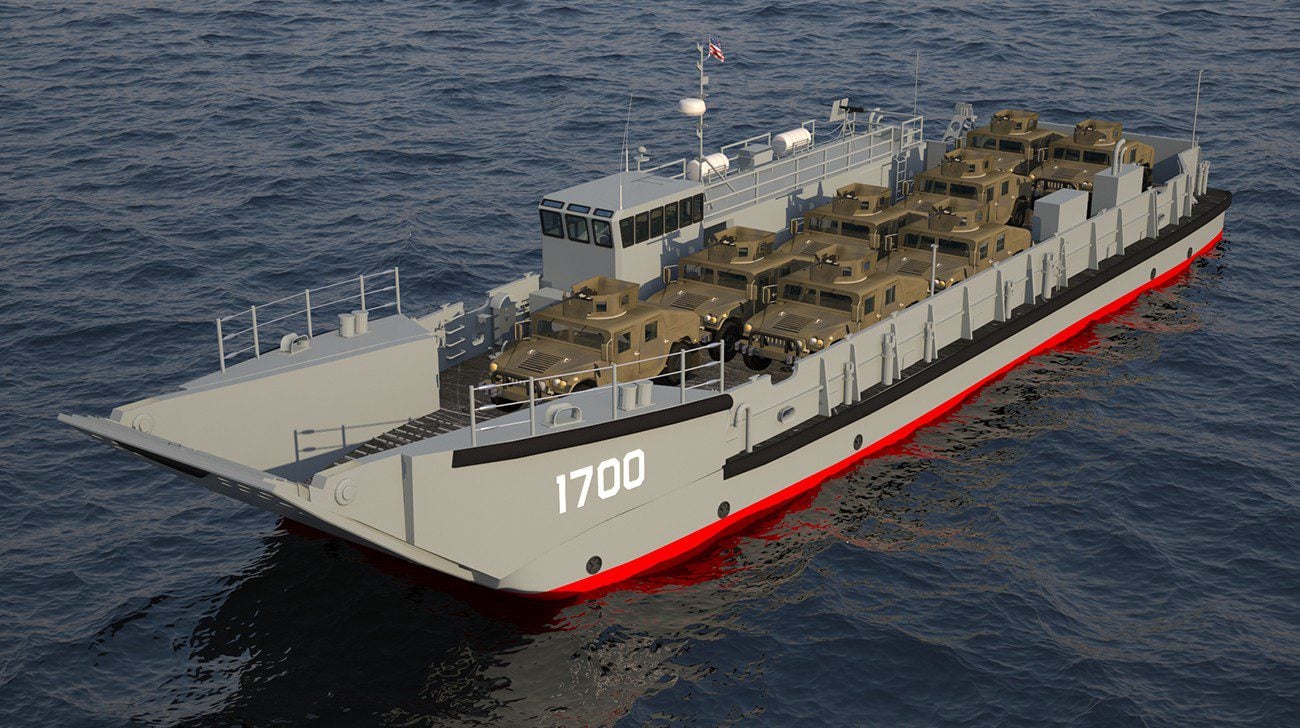
Master Boat Builders has secured its first U.S. Navy defense shipbuilding contract as a prime shipyard, winning an agreement to build three new Landing Craft Utility vessels at its yard...
Anthropic says it disrupted an Iran-linked user that used its Claude artificial intelligence models to track U.S. naval forces, compile targeting material and research vulnerabilities in shipboard systems. The activity...
September 11, 2026
Total Views: 4536
Get The Industry’s Go-To News
Subscribe to gCaptain Daily and stay informed with the latest global maritime and offshore news
— just like 107,343 professionals
Secure Your Spot
on the gCaptain Crew
Stay informed with the latest maritime and offshore news, delivered daily straight to your inbox
— trusted by our 107,343 members
Your Gateway to the Maritime World!
Essential news coupled with the finest maritime content sourced from across the globe.

 Join The Club