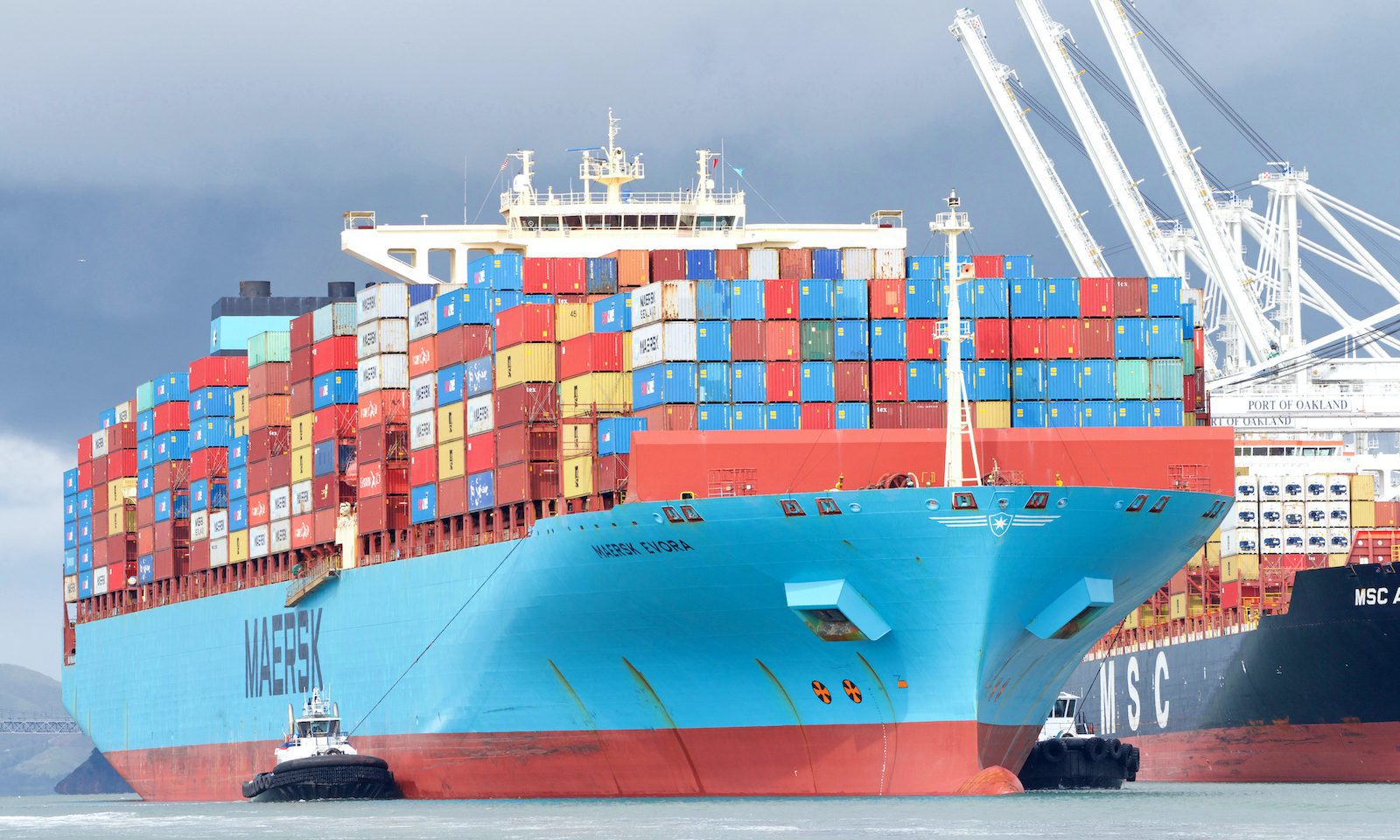
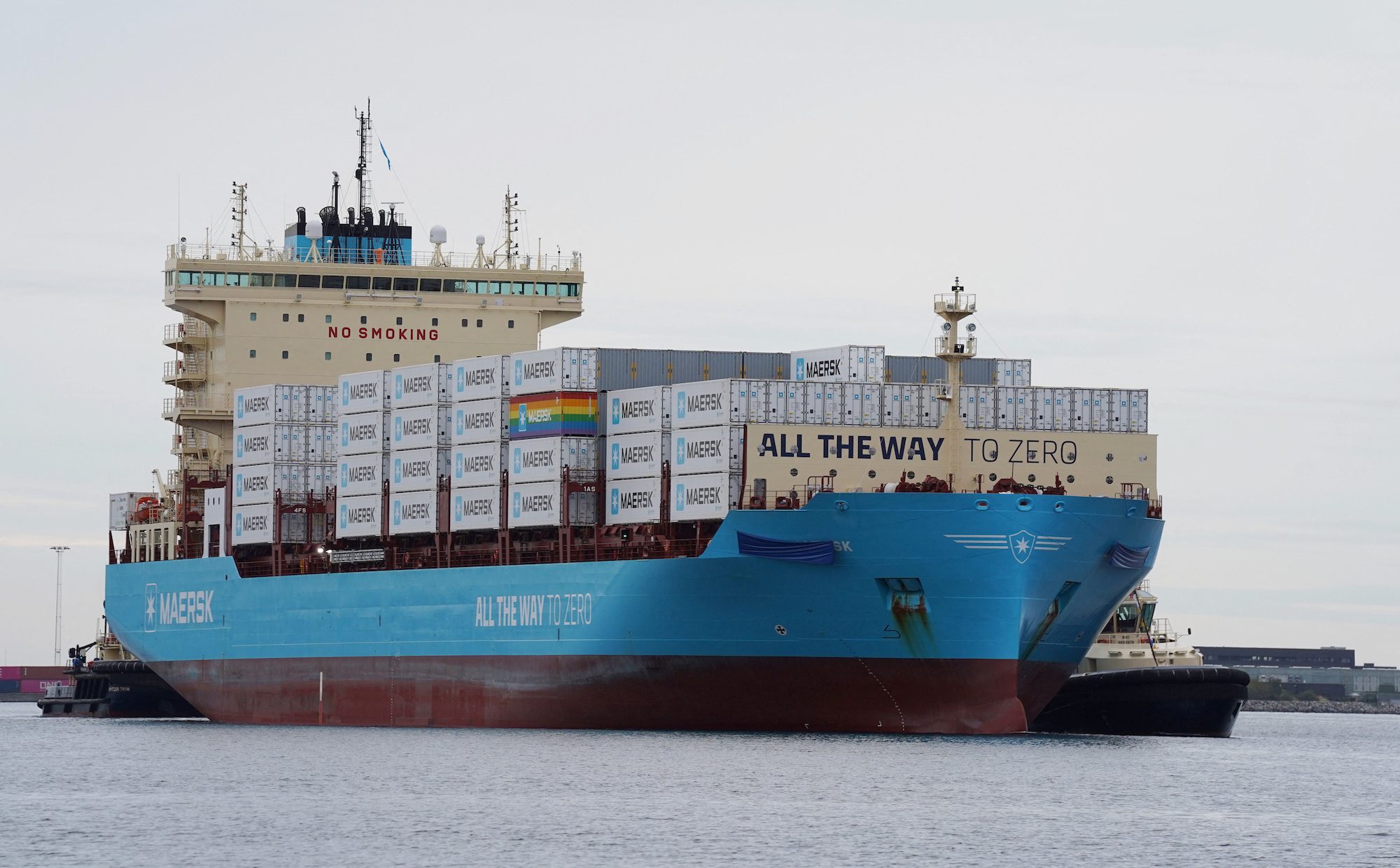
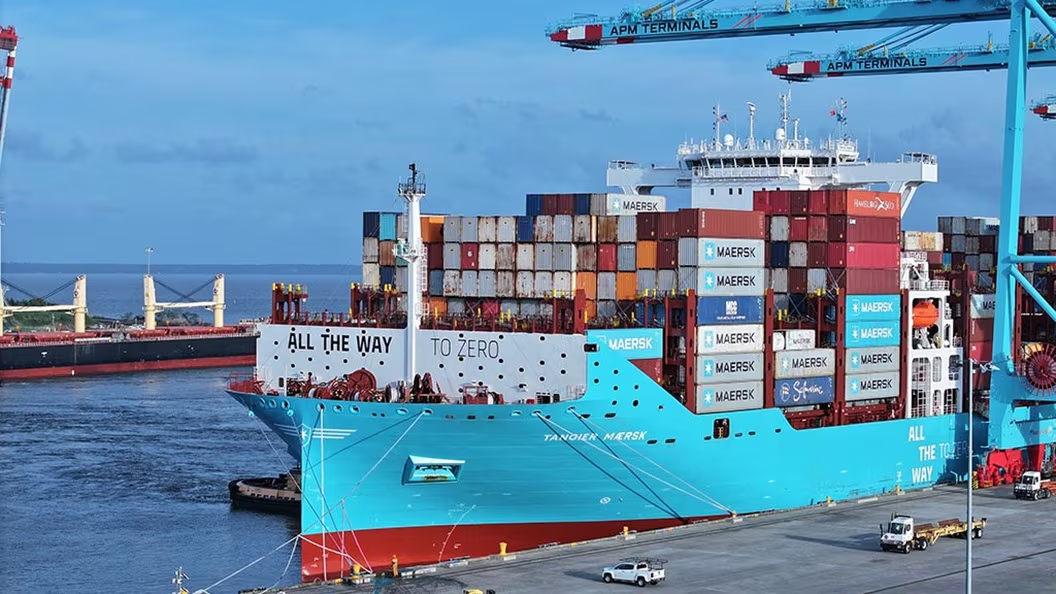
The U.S. Federal Maritime Commission has secured a $1.9 million civil penalty settlement from Danish shipping giant A.P. Moller – Maersk over allegations the carrier improperly billed third parties for detention charges under its service contracts and tariff rules.
According to the FMC, the settlement resolves allegations that Maersk assessed detention charges against parties that had not agreed to be bound by the terms of the carrier’s bills of lading, service contracts, or tariffs — a practice regulators said violated the Shipping Act.
The FMC said Maersk agreed to end the practice and amend its U.S. tariff rules to narrow the definition of “merchant” in its bills of lading. Under the revised approach, the definition will be limited to shippers, consignees, and parties with a beneficial interest in cargo as defined under federal regulations.
In addition to the civil penalty payment, Maersk agreed to provide refunds and waivers to impacted third parties. The company did not admit wrongdoing as part of the compromise agreement.
The case marks another high-profile enforcement action by the FMC as the agency continues an aggressive post-pandemic crackdown on detention and demurrage billing practices following passage of the Ocean Shipping Reform Act of 2022.
Earlier this year, the Commission imposed a $22.67 million civil penalty against MSC Mediterranean Shipping Company over what regulators described as widespread billing violations tied to detention charges and refrigerated container tariff practices.
In April, a federal appeals court upheld an FMC ruling against Evergreen Marine involving detention fees assessed during a Port of Savannah closure, endorsing the Commission’s view that such charges must promote “freight fluidity” rather than simply generate revenue.
All civil penalties collected by the FMC are deposited into the U.S. Treasury’s General Fund. The agency does not retain the funds.

 Join The Club