A catastrophic collision between two tankers in the South China Sea in 2024 has revealed a troubling chain of failures involving crew fatigue, disabled safety systems, and inadequate watchkeeping—ultimately claiming one life and injuring two others.
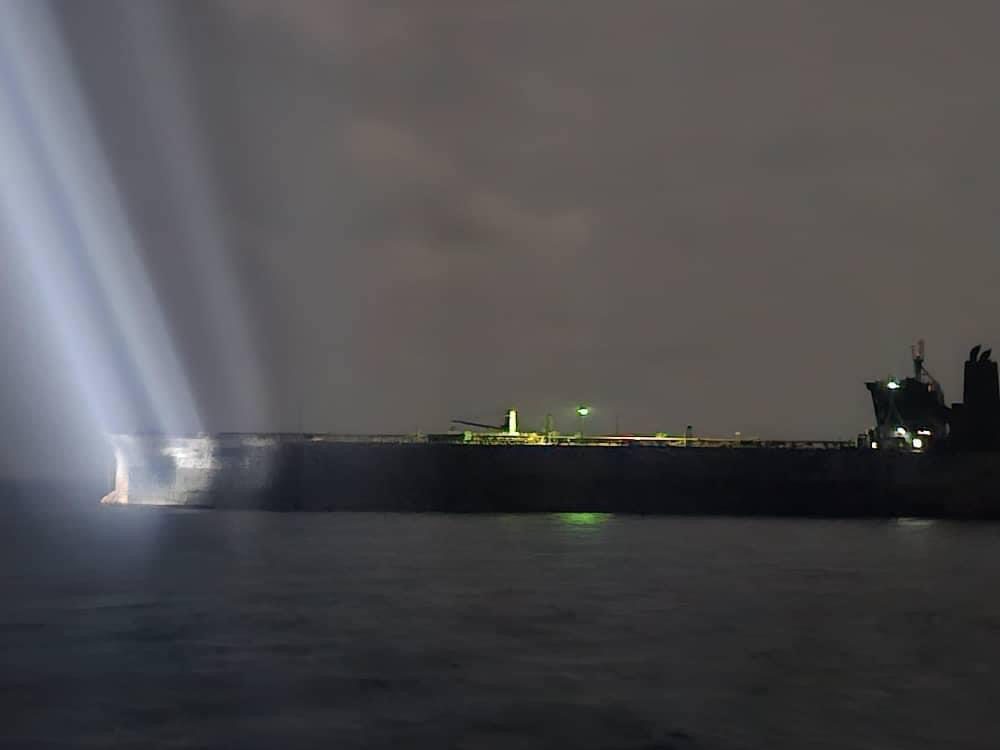
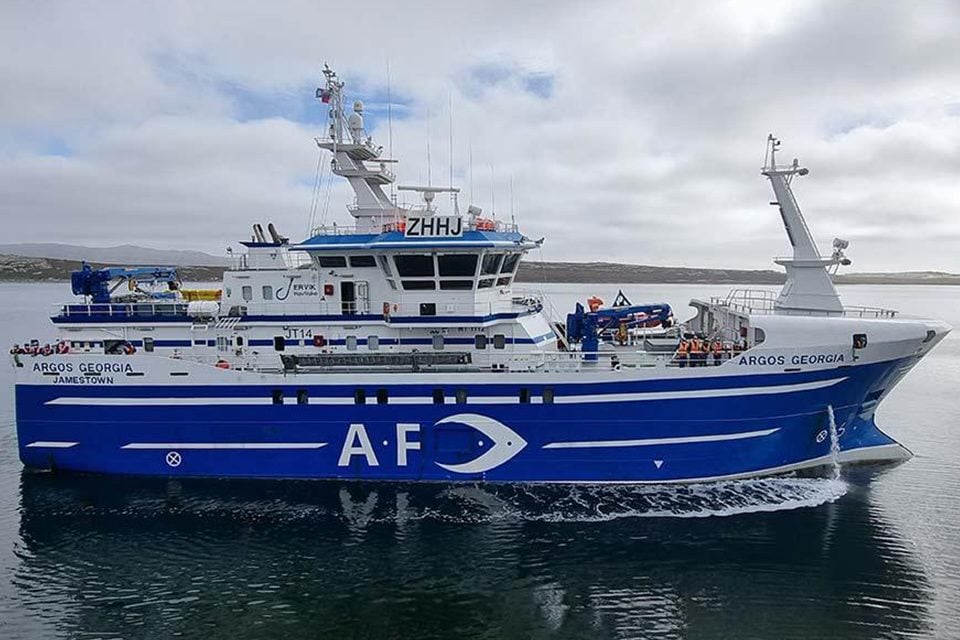
At about 6:02 a.m. on July 19, 2024, the Singapore-registered tanker Hafnia Nile plowed into the anchored Ceres I east of Malaysia while carrying roughly 300,000 barrels of naphtha bound for Japan. Fires broke out on both ships, fuel and cargo were lost, one crew member was killed and two others were injured.
At the time of the incident, the Ceres I—an aging very large crude carrier—was suspected of transporting sanctioned Iranian oil.
Singapore’s Transport Safety Investigation Bureau released its final report on December 28, 2025, calling the accident a “very serious marine casualty.” What it found was a textbook case of how small breakdowns can quickly snowball into disaster.
Running on Empty
The officer of the watch on Hafnia Nile had joined the ship only hours earlier after flying overnight from Colombo via Kuala Lumpur. He boarded at noon, barely had time to settle in, and then took over the midnight-to-6 a.m. watch.
Investigators said he had less than two hours of uninterrupted rest over a 38.5-hour stretch before taking the bridge. Even that brief rest was cut short by an unannounced fire alarm test. By the final hour of his watch — when the collision occurred — he was likely operating on fumes.
The report concluded that fatigue “may have reduced his alertness and affected his performance and judgement” as the developing close-quarters situation unfolded.
Alarms That Never Sounded
Fatigue alone didn’t cause the crash. Both of Hafnia Nile’s radars had their collision-avoidance alarms either silenced or completely switched off. The S-band system’s CPA and TCPA alerts were muted, while the X-band alarms were disabled altogether.
Investigators noted that this removed a key layer of protection that might have warned the bridge team as the tanker closed in on Ceres I and another vessel nearby.
Then, at exactly the wrong moment, the officer of the watch stepped out of the wheelhouse to work on paperwork in the chartroom, leaving only an able seafarer at the helm. The ship was threading through a gap of just 0.7 nautical miles between the anchored tanker and another vessel on a southwest course.
Warnings That Came Too Late
On board Ceres I, the bridge team first spotted Hafnia Nile when it was still more than six nautical miles away and judged the risk as low. As the distance shrank, they tried flashing lights and sounding the ship’s horn — but never attempted to raise the approaching tanker on VHF radio.
The investigation found that Ceres I’s safety management system didn’t clearly spell out how to communicate with an oncoming ship in a close-quarters situation while at anchor.
Aftermath and Charges
In July 2025, Singapore authorities charged two crew members from Hafnia Nile under the Merchant Shipping Act. The officer in charge is accused of failing to properly assess the risk and maintain situational awareness. The lookout allegedly saw the ships closing in but did not report it.
The tanker’s operating company has since overhauled its safety practices, including requiring navigation watchkeepers to rest in hotels before joining ships, banning administrative work on the bridge unless a proper lookout is maintained, and rolling out surprise bridge audits throughout 2025.
The United States subsequently imposed sanctions on the Ceres 1 in December 2024 as part of a broader crackdown on entities and vessels involved in transporting Iranian oil to international market. OFAC alleged the vessel, owned by Hong Kong-based Ceres Shipping Limited, was involved in a significant ship-to-ship transfer of nearly 300,000 metric tons of Iranian crude oil near Singapore in January 2024.
Singapore also issued three formal safety recommendations: keep radar alarms active, reinforce bridge manning standards, and provide clearer guidance on how to communicate during close-quarters situations.
The crash is a stark reminder that even the most advanced navigation equipment is useless without alert, rested crews — and that something as routine as stepping away to finish paperwork can, under the wrong conditions, prove fatal.

 Join The Club