By Ewa Krukowska
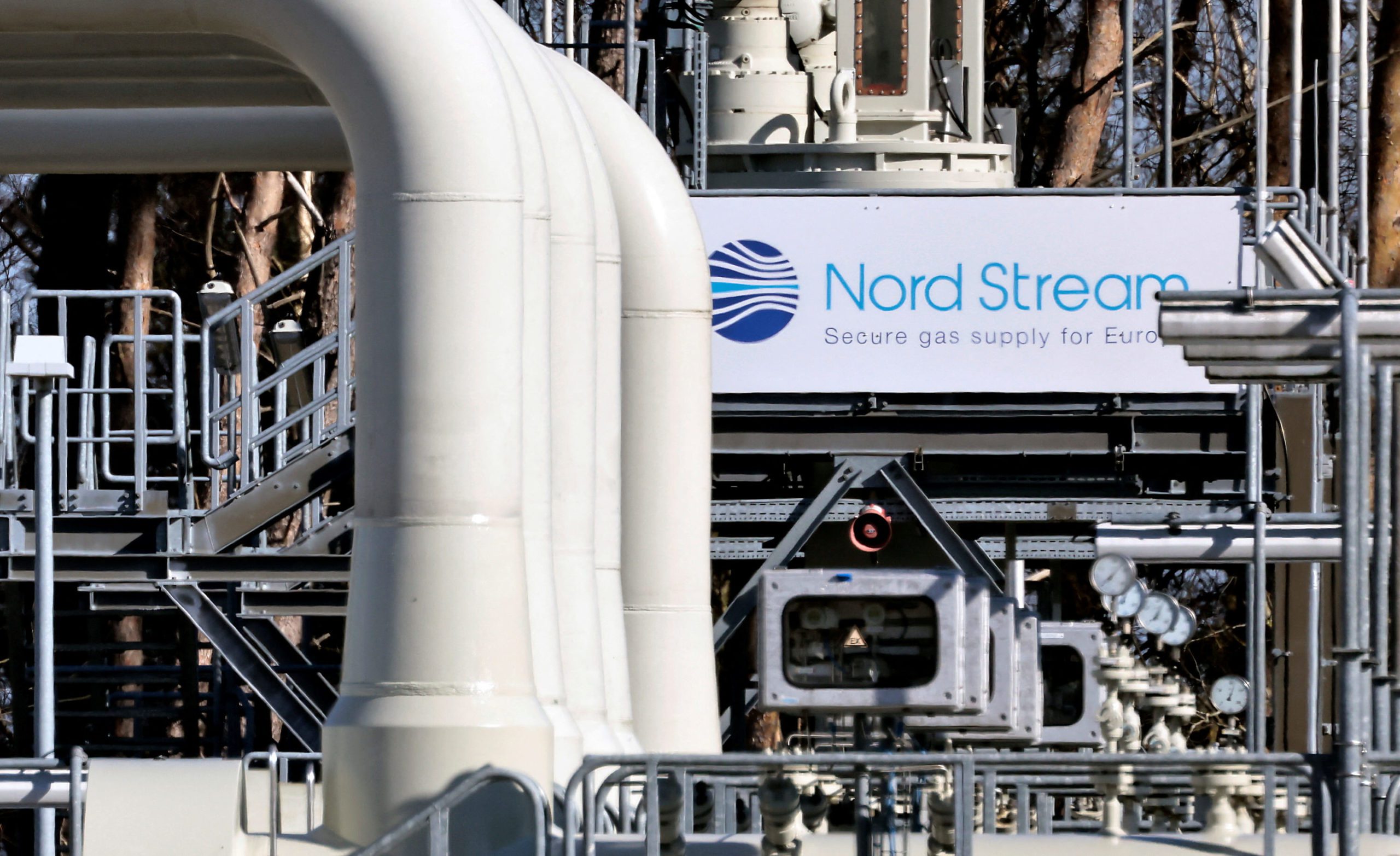
Dec 2, 2025 (Bloomberg) –The European Union is closing in on a deal to phase out Russian fossil fuels, a move that will embed into law the end of the bloc’s reliance on its former top energy supplier.
Negotiators representing member states, the European Parliament and the European Commission are scheduled to meet on Tuesday evening in Brussels to iron out the final shape of a regulation that will set a date for banning Russian gas imports. The measure was proposed by the commission in June to address risks to EU energy security after the crisis triggered by Russia’s invasion of Ukraine and Moscow’s subsequent curbs on gas flows to the bloc.
Despite recent attempts by the US to broker a peace deal in Ukraine, the EU has no plans to give up on the shift away from Russian gas. Speculation that a potential agreement could eventually lead to an easing of sanctions on Moscow’s energy exports, allowing other regions to buy fuel, has contributed to benchmark European gas futures recording their longest downward streak in almost four years.
The EU talks will need to resolve the exact timeline for the phaseout. While member states in the EU Council endorsed the commission’s plan to ban all Russian gas supplies by the end of 2027, the Parliament is pushing to accelerate it by one year. That would align the end of piped-gas imports with the halt to seaborne deliveries already approved by the EU under its latest sanctions package on Russia.
But whereas sanctions are temporary by design, the regulation known as RePowerEU is a separate, long-term plan to cut reliance on Moscow for good. The commission has made it clear that the measure will remain, regardless of any peace deal.
“The European Union can make history tonight and change the course of our energy future,” EU Energy Commissioner Dan Jorgensen posted on X on Tuesday. “As we negotiate with the European Parliament and the member states our proposal to permanently ban all imports of Russian gas, we have the chance to choose independence over blackmail, and to show our unwavering support to Ukraine.”
Traders and energy companies have been closely watching the EU’s move away from Russian gas and shift to alternative suppliers such as the US and Middle East countries. Russian gas flows to Europe dropped sharply in the wake of the invasion of Ukraine, but Moscow remains a key provider of the fuel through a pipeline via Turkey and shipments of LNG.
The EU receives about 15% of its LNG supplies from Moscow, making Russia the second-largest provider of the fuel to Europe after the US. The monthly bill for those imports ranges between €500 million ($580 million) and €700 million.
The global gas market is expected to start shifting into a surplus in the second half of next year, reducing the risk that an EU phaseout of Russian shipments would put pressure on supplies and drive up prices. That’s helped secure broad political support in the region for a comprehensive and lasting break with Russia.
At the same time, Europe has been under pressure from the US to speed up moves to sever its energy ties with Moscow, and buy more American LNG. A joint statement on EU-US trade pledged $750 billion in energy deals over the next three years.
Under RePowerEU, the phaseout of Russian gas would start with a ban on new purchases from the beginning of next year, with exemptions for existing deals.
While the negotiators differ on timing details, a potential compromise could see short-term contracts concluded before June 17, 2025 being prohibited as of 25 April, 2026, the date at which EU sanctions on LNG kick in, according to a negotiating document seen by Bloomberg News.
For long-term contracts, negotiators are considering splitting the prohibition dates into LNG and pipeline gas. The first could be banned from the start of 2027, in line with the sanctions, and the latter in February, March or April 2027, according to the document.
To address the concerns of Slovakia and Hungary, which still rely on Russian imports, the commission proposed that they can import gas from Moscow under short-term contracts until the end of 2027, after supply routes under long-term contracts changed following the halt of transit via Ukraine. In the final version of the law, the date would be aligned with the end of exemption for long-term contracts, according to the document.
Another sticking point in the talks is how to end imports of Russian oil. The Parliament wants a ban on Russian oil and petroleum products from the start of next year. In its original proposal, the commission stopped short of setting a firm date to phase out oil, obliging member states instead to prepare plans to diversify their supplies.
The deal reached in the so-called trilogue format will need to be formally approved by member states and the European Parliament and published in the bloc’s bulletin to become a law.
© 2025 Bloomberg L.P.
Editorial Standards · Corrections · About gCaptain
This article contains reporting from Bloomberg, published under license.

 Join The Club