The EU received 207 LNG cargoes from Russia’s Yamal LNG project in 2025, down slightly from 217 shipments in 2024, new data show. The figures highlight how little trade flows have eased despite tightening sanctions rhetoric and a European transshipment ban taking effect in March 2025.
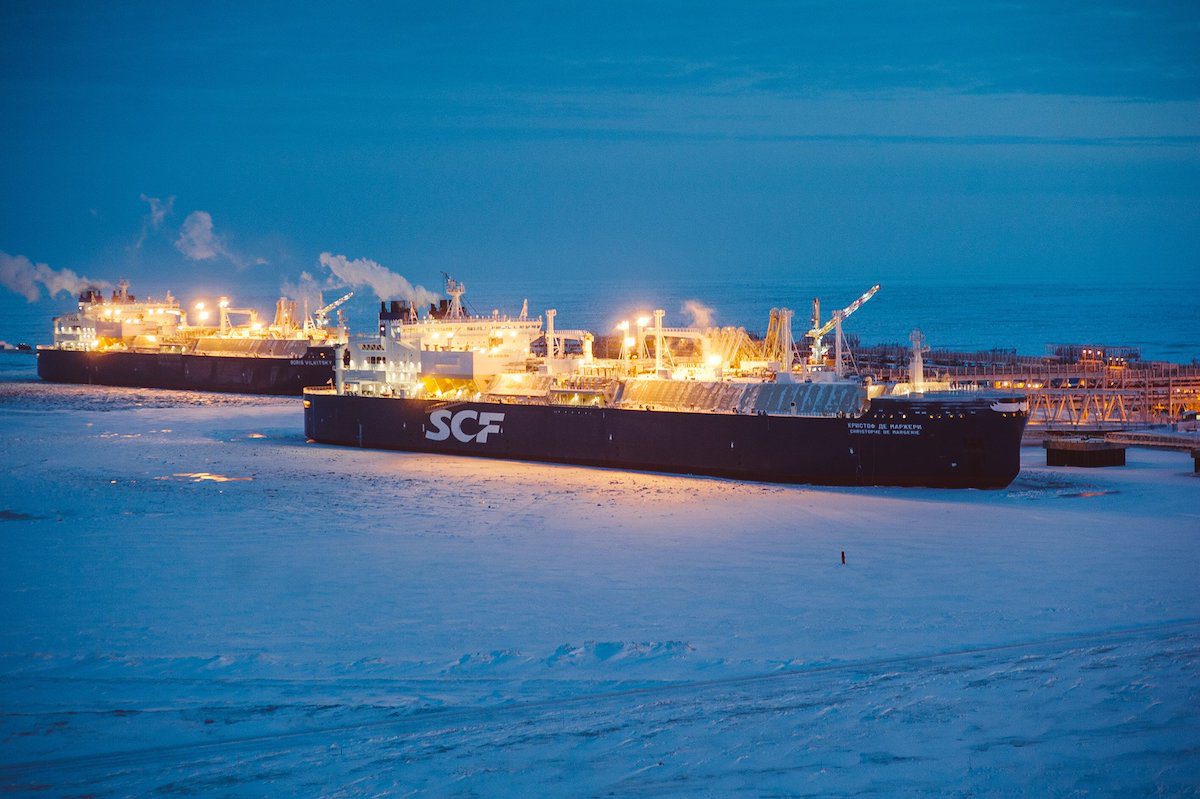
Russia’s largest Arctic project shipped out a total of 273 cargoes in 2025, down from 289 the previous year. The decrease comes as a result of extensive plant maintenance and the loss of the ice-class LNG carrier, Christophe de Margerie, due to sanctions. Europe received more than three-quarters of the plant’s production, with the remaining cargoes destined for Asia. China received 51 deliveries, down from 55 in 2024.
The EU spent about €7.2 billion on Russian LNG in 2025, according to a report by environmental group Urgewald, with the bulk of volumes again coming from the Arctic-based Yamal LNG project operated by Novatek. Those cargoes were carried almost entirely by 14 Arc7 ice-class LNG carriers, purpose-built to navigate the Northern Sea Route and the icy approaches to the Yamal Peninsula.
“These vessels are the logistical backbone of Yamal LNG,” Urgewald said in the report. “They also represent a clear vulnerability: there are only 14 of them, and the project cannot function without keeping every single one in service.”
Europe’s role extends well beyond being a destination market. EU ports remain essential for maintenance, crew changes, insurance-linked services and reliable offloading, making them difficult to replace quickly.
So far, operators have managed to keep all vessels in service. All 14 Arc7 carriers remain active, despite growing operational complexity and sanctions risk, though industry sources confirm that maintenance and work scopes are continually being pushed back due to third parties distancing themselves from the vessels over sanctions concerns. Suppliers are also reportedly shying away from providing spare parts without assurances that they will not be installed on the Arc7 vessels.
According to shipping data cited in the report, UK-based Seapeak remains the largest operator carrying 101 cargoes in 2025. Companies Dynagas and MOL/COSCO accounted for 94 and 78 shipments respectively.
Novatek also expanded ship-to-ship (STS) transfers near Russia during 2025, though the numbers remain small relative to Europe-bound volumes.
At the Kildin anchorage near Murmansk, STS operations rose from 17 transfers in 2024 to 30 in 2025, Urgewald said. That compares with more than 200 cargoes delivered directly into the EU last year, underscoring how far Russia is from replicating Europe’s import capacity elsewhere.
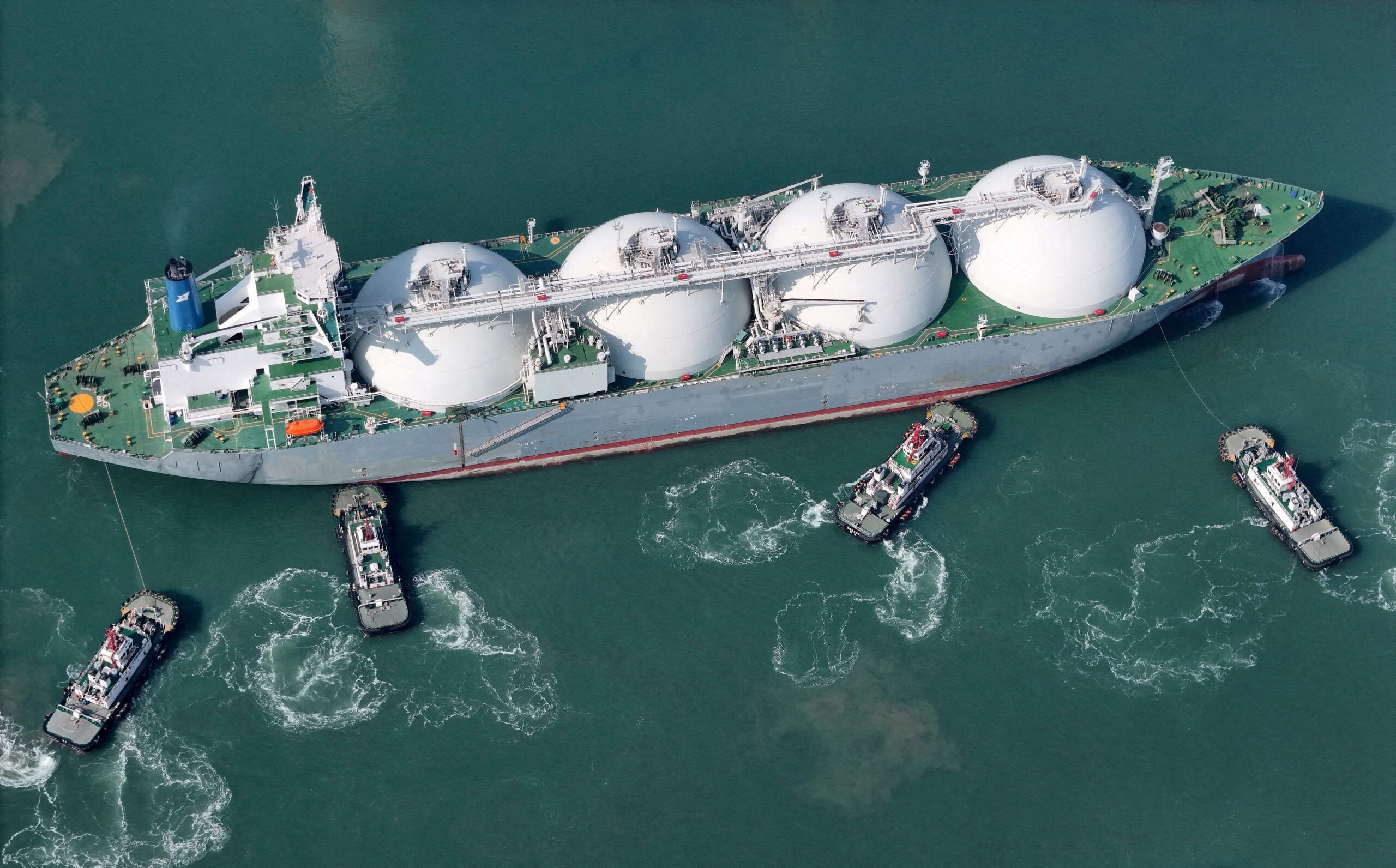
Unlike the newer Arctic LNG 2 project, Yamal LNG does not have floating storage units (FSUs) such as the Saam or Koryak, forcing operators to rely on direct STS transfers. That requires precise coordination, with both an Arc7 carrier and a conventional LNG tanker arriving at the same location and time, adding cost and operational risk.
The outlook becomes more uncertain in 2026, when a planned UK ban on providing maritime services to Russian LNG trade is expected to further complicate insurance, certification, and servicing of the Arc7 fleet. Combined with the EU’s full import ban from Jan. 1, 2027, Novatek and its shipping partners face major unanswered questions over how to move the roughly 200 annual cargoes that currently flow into Europe.
Even with expanded STS operations, analysts say replacing the EU’s role as both market and maritime hub will be an uphill battle, one that exposes how dependent Yamal LNG remains on a narrow, sanction-sensitive shipping chain.
Editorial Standards · Corrections · About gCaptain

 Join The Club