European Union countries paid an estimated 5.96 billion euros ($6.82 billion) for liquefied natural gas from Russia’s Yamal LNG project during the first six months of 2026, underscoring the bloc’s continued reliance on Arctic gas despite an impending ban on Russian LNG imports, according to analysis published on Monday.
Environmental group Urgewald, citing ship-tracking data from commodities intelligence firm Kpler, said 136 of 140 cargoes exported from the Arctic project between January and June were delivered to EU ports, accounting for nearly 97% of all Yamal LNG shipments worldwide.
The figures mark a further increase in Europe’s dependence on the project. EU-bound volumes rose 16% year-on-year to 9.97 million metric tons from 8.57 million tons during the same period of 2025, while exports to Asia collapsed 84% to just 282,248 metric tons across four cargoes.
France remained the largest importer, receiving 51 cargoes, followed by Belgium with 37 and Spain with 34. The ports of Zeebrugge in Belgium and Dunkerque and Montoir in France handled the largest share of deliveries.
“The figures are stark. Almost every Yamal cargo in the first six months of 2026 went to Europe,” Sebastian Rötters, sanctions campaigner at Urgewald, said in a statement. “Europe continues to provide” the ports, services and logistics that keep Russia’s Arctic LNG exports flowing.
The findings come despite the EU’s phased effort to eliminate Russian gas imports. Since April, imports under short-term LNG contracts have been prohibited, while remaining long-term contracts are scheduled to end on Jan. 1, 2027, as part of the bloc’s wider plan to phase out Russian fossil fuel imports. Transshipments via EU ports ended in March 2025.
However, the latest data suggest the restrictions imposed so far have done little to curb physical deliveries into Europe. Instead, imports have increased as buyers continue lifting volumes under long-term contracts before the ban takes effect.
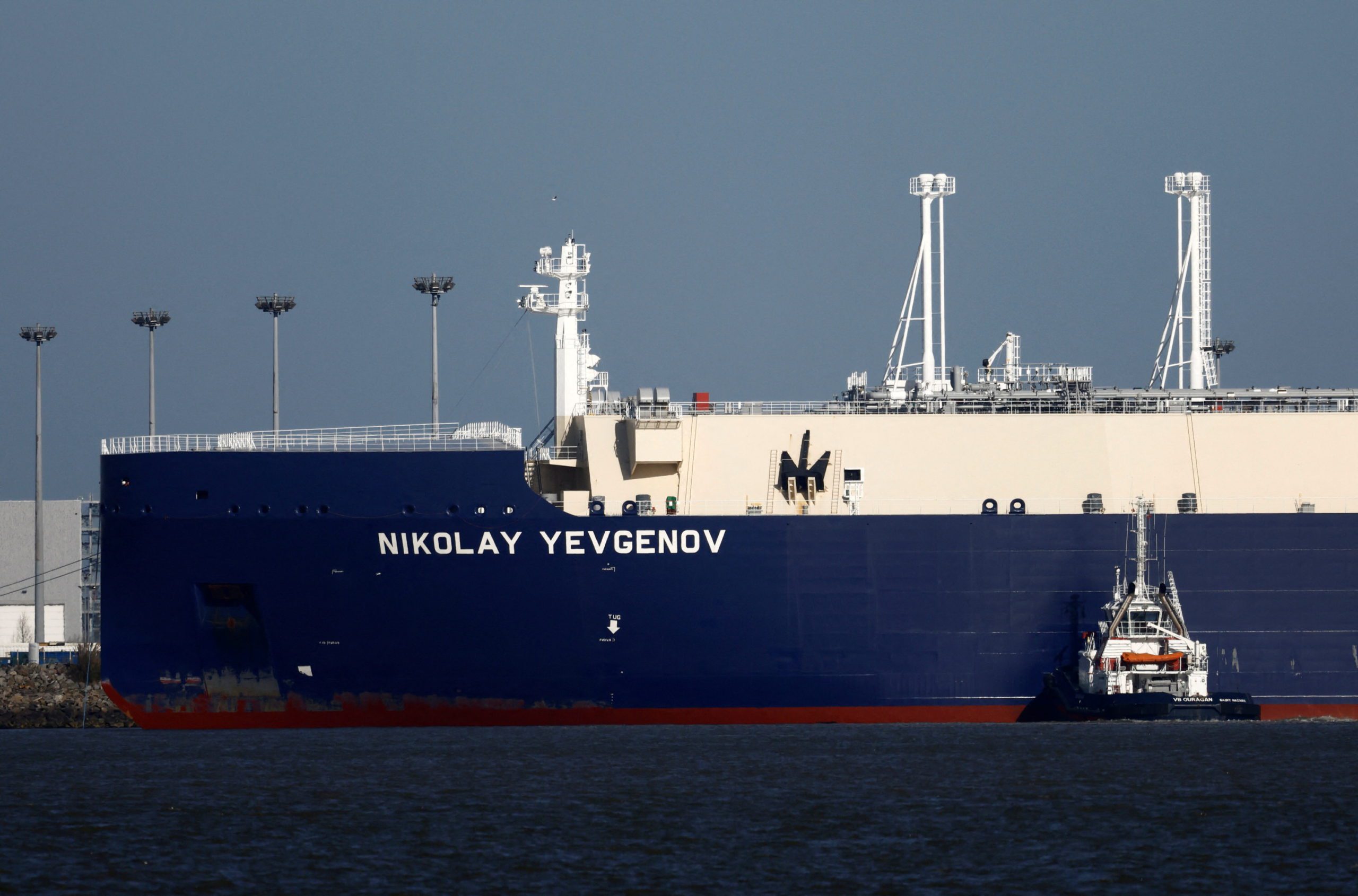
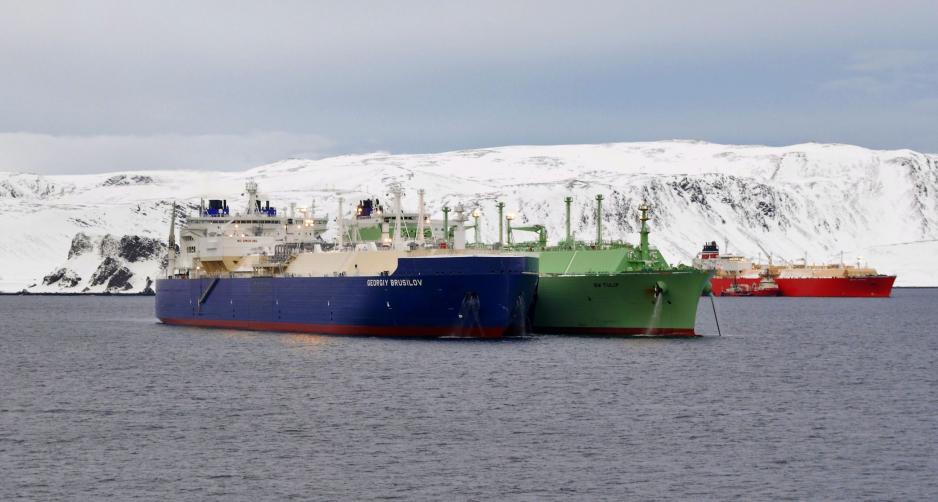
Urgewald argued Europe’s importance extends well beyond purchasing the fuel. During the winter and spring, Yamal LNG depends on a fleet of specialized Arc7 icebreaking carriers that require rapid turnarounds through European import terminals, making the continent the logistical backbone of Russia’s flagship Arctic LNG export project.
European infrastructure also remains critical to maintaining the fleet itself. Danish shipyard Fayard in Odense is currently the last EU yard still servicing the Arc7 carriers that transport Yamal LNG. Urgewald estimates that up to six of the vessels could require maintenance there this summer before an EU ban on providing maritime services to Russian LNG shipping takes effect alongside the import ban on Jan. 1, 2027.
The arrival of the Arc7 carrier Rudolf Samoylovich at Fayard on June 30 drew criticism from Ukrainian officials, who argued continued maintenance helps sustain one of Russia’s most strategically important export industries.
According to the analysis, UK- and Canada-linked Seapeak carried around 40% of Yamal LNG cargoes during the first half of the year, followed by Greece-linked Dynagas with 35% and Japan- and China-linked MOL/COSCO with about 25%, highlighting the continued role of international shipping companies in sustaining Russia’s Arctic LNG exports.

 Join The Club