By Elena Mazneva and Alberto Brambilla
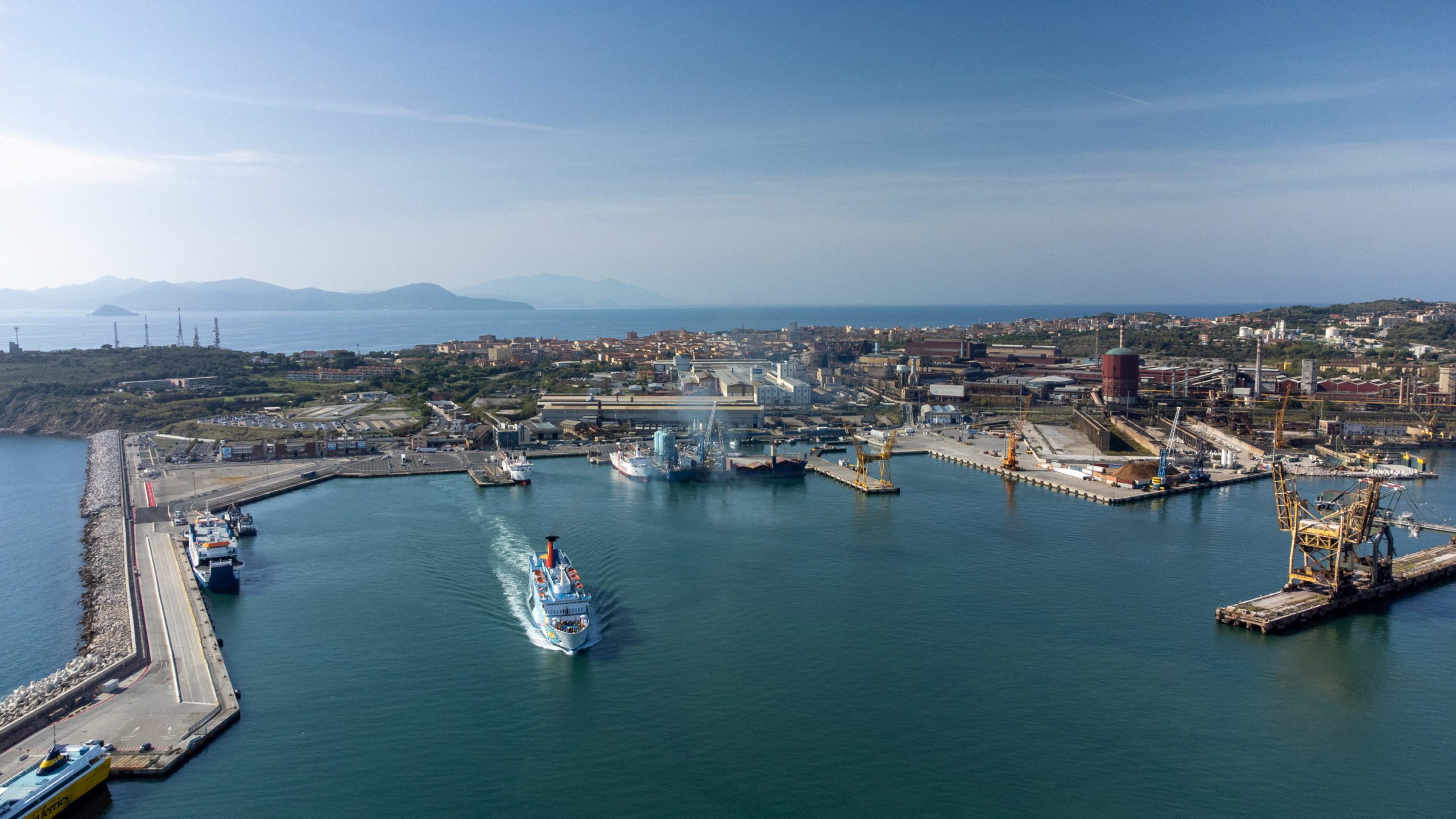
Jul 31, 2026 (Bloomberg) –Italy became Europe’s top importer of liquefied natural gas in July as traders made use of government incentives to keep buying cargoes despite soaring prices, while neighboring countries held back on costly purchases and allowed storage levels to lag.
The divergent strategies amount to opposing bets on how Europe’s gas crunch will evolve before winter. If Middle East disruptions persist and prices keep climbing, Italy’s expensive stockpiling could prove prescient while countries with thin inventories may face even tighter supply in winter and higher costs. If fuel flows recover and prices fall, Italy risks having filled storage with costly gas at billpayers’ expense.
War and supply disruptions in the Middle East have caused European gas prices to roughly double so far this year, crimping LNG buying across the region even as it’s under pressure to build up inventories for winter. Italy was a rare exception, leapfrogging its peers this month for the first time in ship-tracking data compiled by Bloomberg going back to 2017.
The country’s power sector is the most reliant on gas in Europe, and saw energy needs jump during recent heat waves. But its traders also kept making use of incentives to buy LNG for refilling Italy’s storage sites, giving it a leg up on nations like Germany and France, which are lagging behind. Italy’s storage regulation contains strict refilling targets and fines for not meeting them.
The development is likely to sharpen the question of whether other European governments should intervene to support purchases if shipping from the Persian Gulf remains shut. Other major buyers in Asia have also been pulling away cargoes from Europe, potentially fueling a bidding war in the months ahead if the supply situation doesn’t ease.
“It’s likely that gas prices will continue to be in tension over the coming months, starting in the next few weeks,” Agostino Scornajenchi, chief executive officer of Italian gas network operator Snam SpA, said in an interview this week. Germany and other European countries will likely have to accelerate storage injections soon, he said. The company confirmed it’s on track to reach its 90% refilling target.
European gas futures have added more than 30% so far this month with the US launching fresh strikes on Iran in recent days and global markets grappling with continued uncertainty.
Winter gas contracts are trading slightly below those for summer, making stockpiling uneconomical for most traders. Still, many analysts have warned of mounting winter risks, with Goldman Sachs Group Inc. seeing the possibility of prices shooting up to €100 a megawatt-hour in December — 75% above current levels — if the market remains tight.
For the time being, Italy’s gas storage sites are 75% full — below a five-year seasonal average, but the highest among Europe’s top markets. Germany’s facilities are at 47%, the lowest share of utilized capacity for this time of year in records going back to 2009. France’s gas inventories are 56% full after it faced some capacity restrictions at LNG terminals this summer.
© 2026 Bloomberg L.P.

 Join The Club