The European Union is ramping up economic pressure on Moscow with its most far-reaching sanctions package yet, rolling out a 20th round of measures that squarely targets Russian oil exports and the maritime services that keep them moving.
European Commission President Ursula von der Leyen announced the package as Russia’s war against Ukraine approaches its fourth year, arguing that sustained pressure remains essential.
“Russia will only come to the table with genuine intent if it is pressured to do so,” von der Leyen said. “This is the only language Russia understands.”
Full maritime services ban at the core
The centerpiece of the new package is a complete ban on maritime services for Russian crude oil, a move designed to choke off Moscow’s access to shipping, insurance, and related support needed to place its oil on global markets. The EU says the ban will be implemented in coordination with G7 partners.
“It will further slash Russia’s energy revenues and make it more difficult to find buyers for its oil,” von der Leyen said.
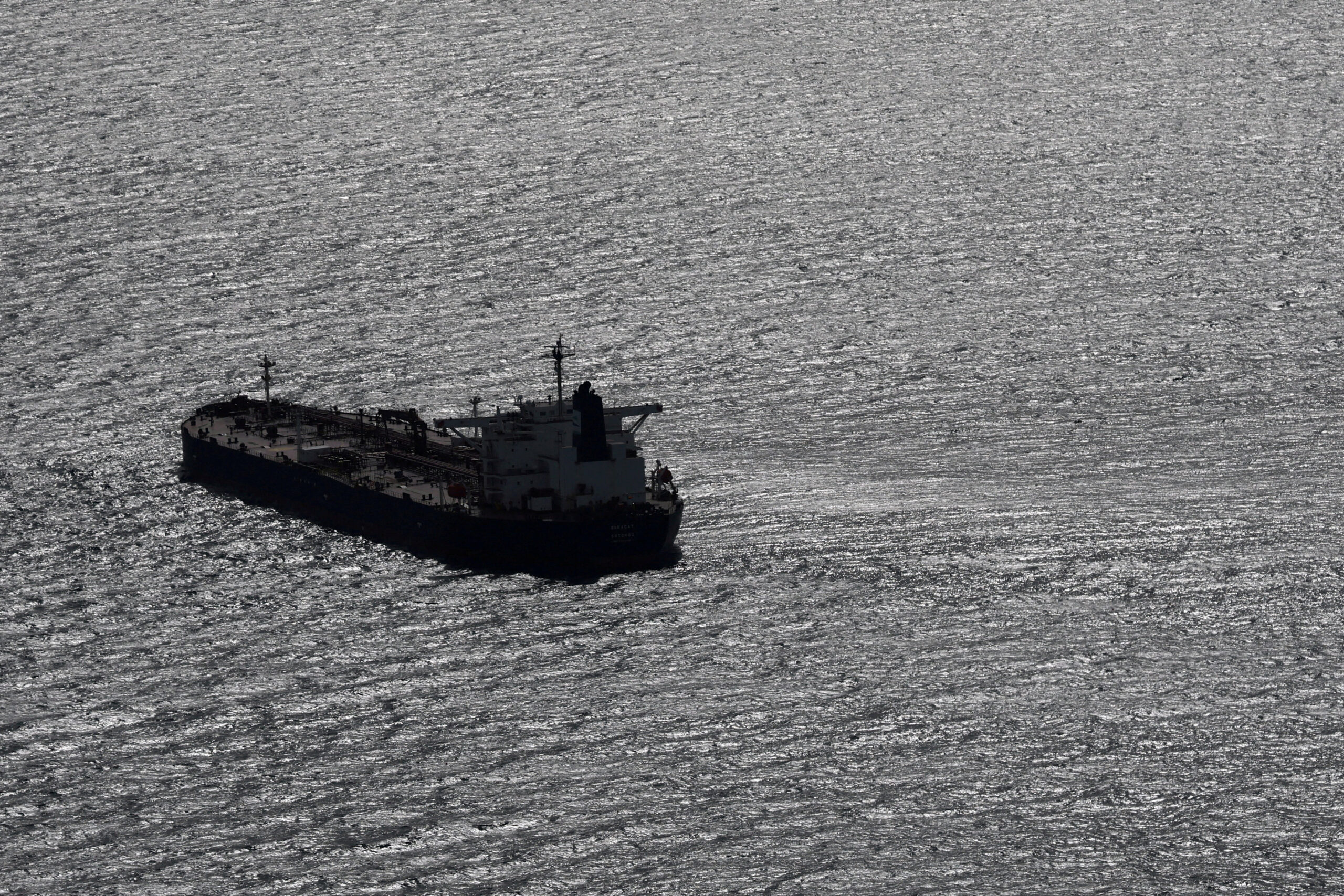
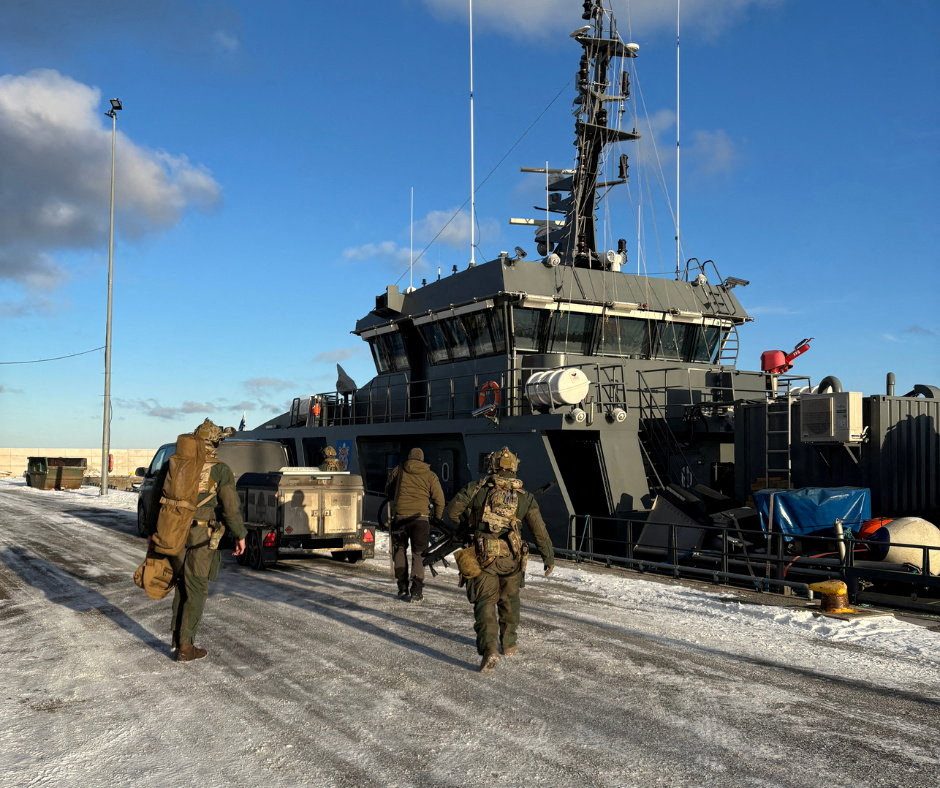
The measures also take aim at Russia’s shadow fleet. The EU will add 43 more vessels to its sanctions list, bringing the total number of designated tankers to 640, as Brussels steps up efforts to disrupt the aging ships used to sidestep Western restrictions.
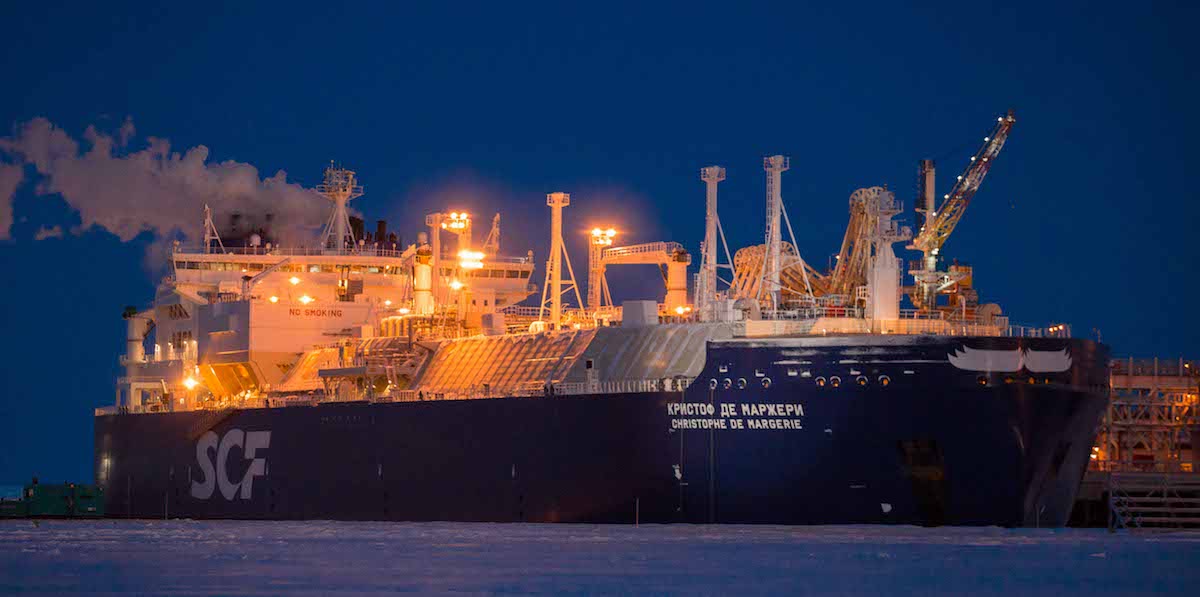
In another escalation, the package introduces bans on maintenance and technical services for LNG carriers and icebreakers, directly targeting infrastructure critical to Russia’s gas exports and Arctic operations.
Price cap tightened again
The maritime crackdown builds on recent moves by the EU and UK to lower the price cap on Russian seaborne crude. Just weeks earlier, the cap was cut to $44.10 per barrel, down from $47.60, under a new dynamic formula that keeps the cap roughly 15% below average Urals prices.
The original G7 cap was set at $60 per barrel in December 2022. Under the system, EU- and UK-based firms are barred from providing shipping, insurance, financing, or other maritime services for oil sold above the cap—leveraging Europe’s dominance in global maritime services to enforce compliance even beyond Western buyers.
Financial, export, and anti-circumvention measures
Beyond energy, the sanctions package expands restrictions across Russia’s financial system, adding 20 regional banksand tightening controls on cryptocurrencies and trading platforms used to evade sanctions.
The EU also imposed new export bans on goods including rubber products, tractors, and cybersecurity services worth more than €360 million, alongside import restrictions on metals, chemicals, and critical minerals valued at over €570 million.
For the first time, Brussels will activate its anti-circumvention tool, blocking exports of CNC machines and radios to jurisdictions deemed at high risk of re-export to Russia.
“Our sanctions work”
Von der Leyen pointed to falling revenues as evidence the strategy is having an impact, citing a 24% drop in Russian oil and gas revenues in 2025, the lowest level since 2020, alongside a widening fiscal deficit. Russian interest rates now stand at 16%, with inflation still elevated.
“Our sanctions work, and we will continue to use them until Russia engages in serious negotiations for a just and lasting peace,” she said.
For the maritime industry, the focus now shifts to implementation. The EU has provided a 90-day wind-down period for contracts agreed under the previous price cap, running from January 15, 2026, giving owners, charterers, and service providers limited time to unwind existing arrangements under the new rules.
Editorial Standards · Corrections · About gCaptain

 Join The Club