Just nine months before a full European Union ban on Russian liquefied natural gas (LNG) is scheduled to take effect, EU buyers purchased every cargo from Russia’s Yamal LNG project in February, highlighting a stark disconnect between policy intentions and market realities.
In February 2026, the European Union imported 1.54 million tonnes of LNG from Russia’s Yamal LNG facility, delivered across 21 cargoes – marking the first time since April 2018 that every shipment was destined for European ports. This follows an already high January purchase, when EU buyers took 93 percent of Yamal’s production.
The data, compiled by advocacy group Urgewald using Kpler figures, underscores the EU’s continued dependence on Russian Arctic gas despite nearly five years of geopolitical tension and sanctions.
“February’s numbers tell a stark story. Every single Yamal cargo went to Europe. Russia had no alternative customer and remained fully dependent on access to EU ports,” said Sebastian Rötters, sanctions campaigner at Urgewald. Notably, zero shipments were delivered to China or other Asian markets, compared with four Asia-bound cargoes in February 2025.
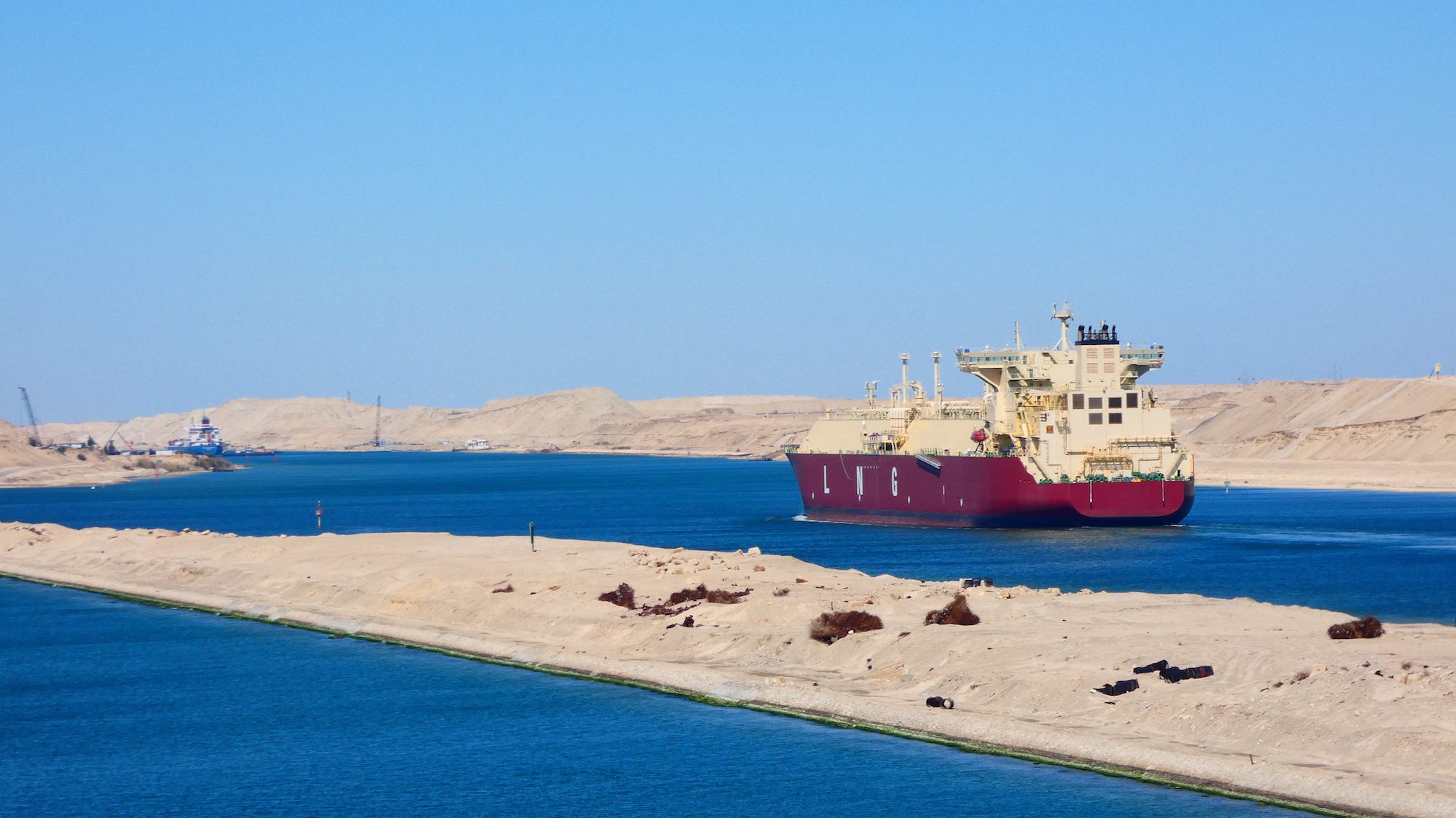
European shipping companies also remain central to the trade. Seapeak (UK) and Dynagas (Greece) carried 17 of the 21 cargoes, and European insurers continue to provide critical coverage for the vessels.
“The February figures underscore that European infrastructure and maritime services remain central to Russia’s LNG export revenues,” Urgewald said.
The continued purchases come despite the EU planning a full ban on Russian LNG imports from January 1, 2027, just over 9 months from now. Analysts note that supply pressures triggered by tensions in the Strait of Hormuz could prompt discussions in Brussels about whether the ban might need to be reassessed if high prices and constrained supplies persist.
European politicians frequently cited supply security and price concerns as reasons the Russian LNG ban has taken almost five years to implement, following Russia’s full-scale invasion of Ukraine in 2022. Even as EU policymakers push for energy independence and sanctions, the continent remains Russia’s most reliable customer for Arctic LNG.
The strategic importance of European ports and the absence of sanctions against Arc7 ice-class LNG carriers means Yamal operations remain largely uninterrupted. The project’s infrastructure allows for year-round deliveries in the harsh Arctic environment, effectively locking in Europe as the primary market.
While Moscow last week suggested it could redirect LNG exports to Asia, the logistical realities make such a pivot unlikely.
“When Moscow talks about redirecting gas elsewhere, the data tells a different story. For Arctic LNG, Europe remains the only market able to absorb these volumes,” said Rötters.
As the EU navigates the delicate balance between energy security, economic sanctions, and market realities, February’s figures serve as a reminder of the gap between public policy goals and the immediate imperatives of supply and price. With the 2027 ban months away, Europe continues to fuel Russia’s LNG revenues while preparing for a future without them.
Editorial Standards · Corrections · About gCaptain

 Join The Club