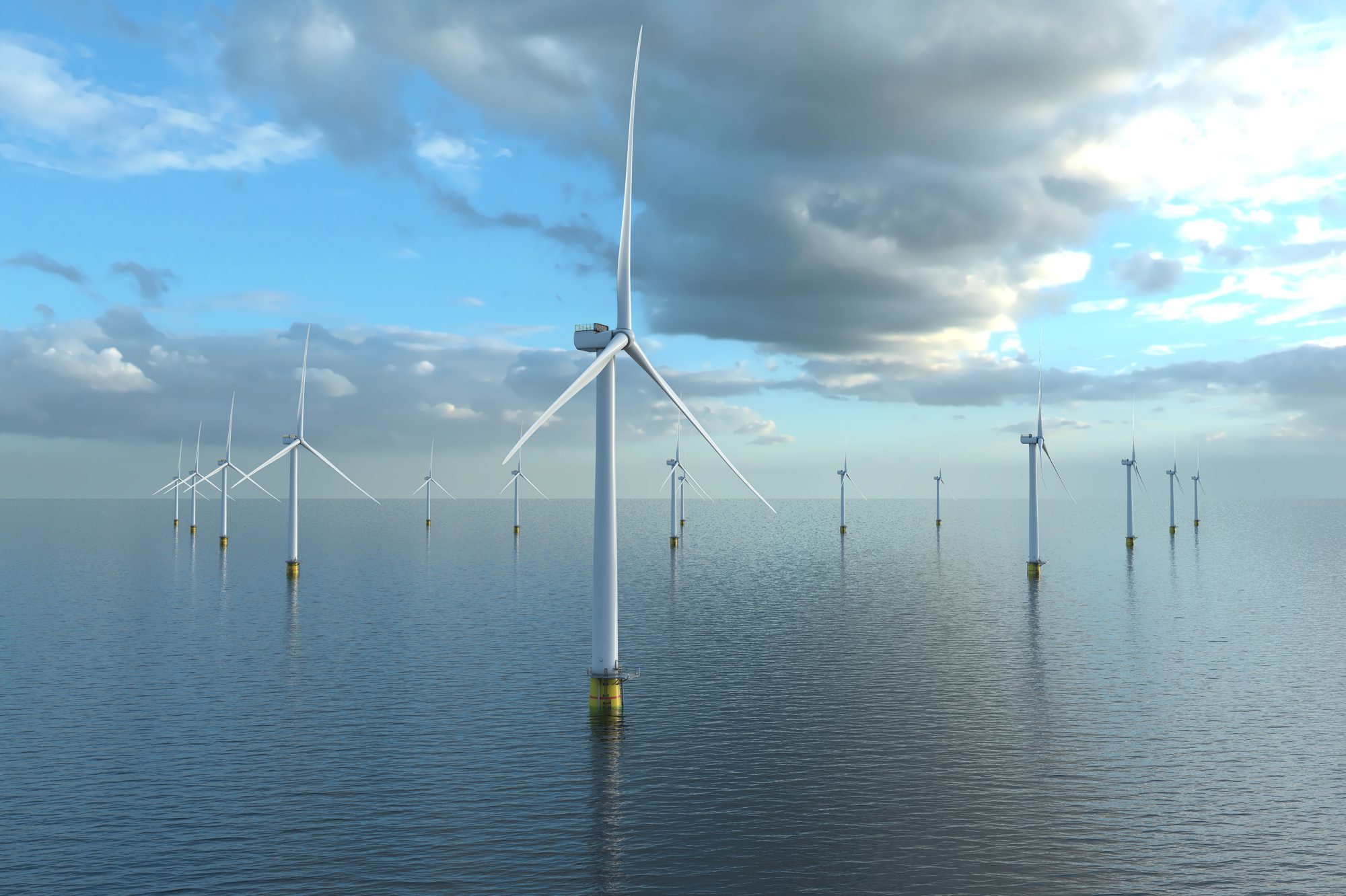
The U.S. District Court for the District of Columbia has granted Empire Offshore Wind LLC a preliminary injunction allowing construction to resume on the Empire Wind offshore wind project, ending a suspension that had threatened to collapse the $5.3 billion development.
The ruling is a major victory for Equinor, which had warned the court that delays beyond January 16 would likely terminate the project due to disruption of its “tightly choreographed construction schedule” and create an “existential threat” to its financing. More than 60 percent of the project is already complete, representing over $4 billion in investment, with $2.7 billion drawn under project financing.
Empire Wind said it will now focus on safely restarting construction activities that were halted during the suspension period, while continuing to engage with the U.S. government to ensure “safe, secure and responsible execution” of the project.
The injunction comes as the underlying lawsuit challenging the Department of the Interior’s December 22, 2025 suspension order continues through the courts.
National Security Justification Challenged
Interior Secretary Doug Burgum’s December 22 order halted five East Coast offshore wind projects under construction — Vineyard Wind 1, Revolution Wind, Coastal Virginia Offshore Wind, Sunrise Wind, and Empire Wind 1 — representing more than $10 billion in combined investment and enough capacity to power over two million homes.
“The prime duty of the United States government is to protect the American people,” Burgum said at the time. “Today’s action addresses emerging national security risks, including the rapid evolution of the relevant adversary technologies, and the vulnerabilities created by large-scale offshore wind projects with proximity near our east coast population centers.”
The administration argued that large turbine blades and reflective towers could interfere with radar systems, obscuring legitimate targets and generating false readings.
New York Attorney General Letitia James, who filed separate lawsuits on January 9, said the suspensions were arbitrary and unlawful, noting that the projects underwent more than a decade of federal, state, and local review, including coordination with the Department of Defense.
“New Yorkers deserve clean, reliable energy, good-paying jobs, and a government that follows the law,” James said. “These projects were carefully reviewed and already under construction when the federal government pulled the plug without explanation. This reckless decision puts workers, families, and our climate goals at risk, and my office is taking action to stop it.”
Catastrophic Financial Stakes
Equinor warned that termination losses could include $4 billion already invested, $850 million in termination fees tied to 11 construction contracts, and $355 million to dismantle and mothball project assets.
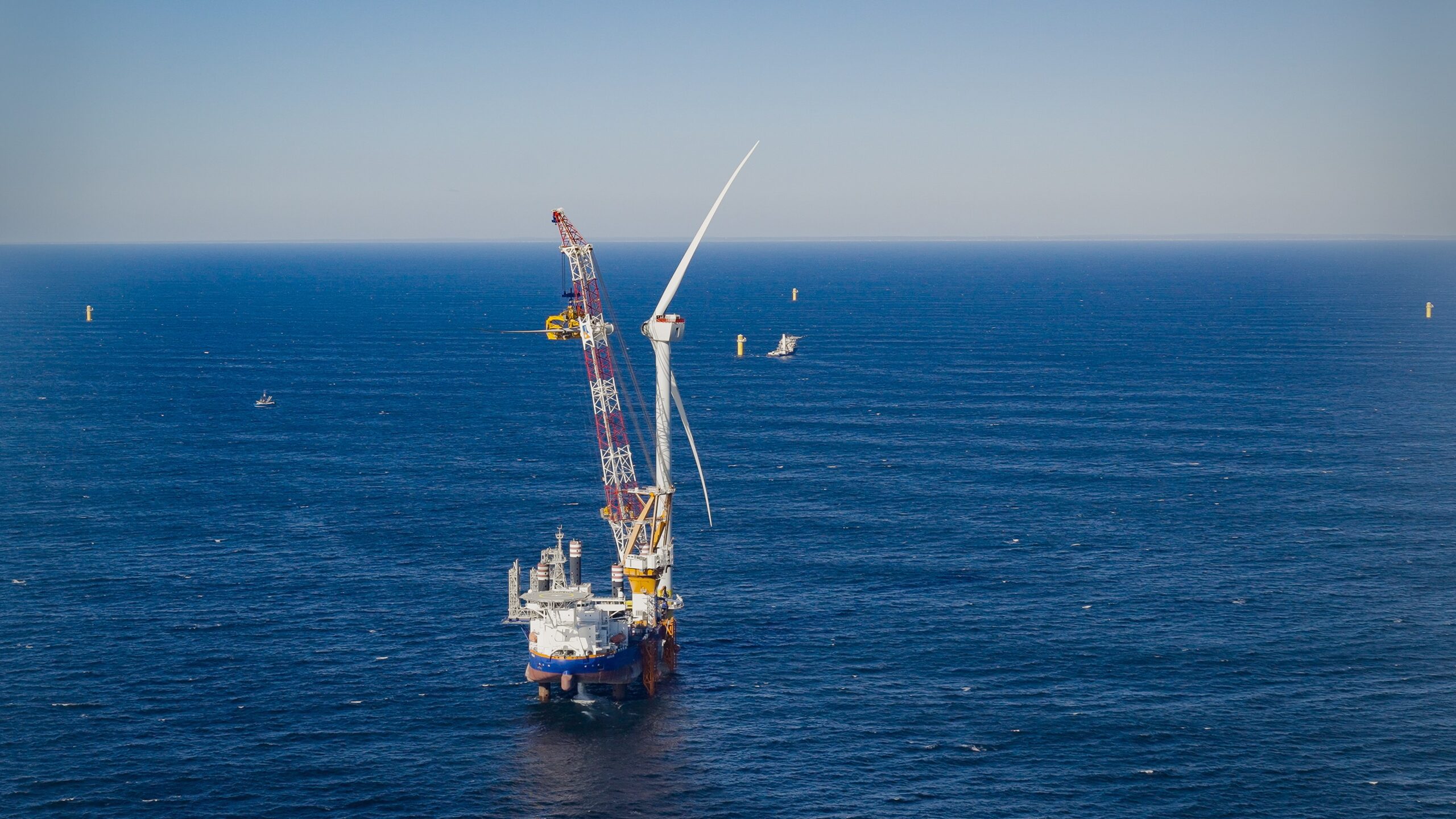
Central to the case were two specialized construction vessels with subsequent long-term commitments that would make them unavailable for years if the project schedule slipped. The company said the situation “became more acute” on January 5, when the government barred even essential safety-related work, “turning a dire situation for Empire Wind into a near terminal one, making immediate relief necessary.”
Second Suspension in Less Than a Year
The December order marked Empire Wind’s second major stoppage in less than a year. Earlier in 2025, the Trump administration ordered a broad freeze on offshore wind activity, prompting Equinor to record a $763 million impairment in its second-quarter results before work was allowed to resume.
Equinor said Empire Wind “has coordinated closely with federal officials on national security reviews since it executed its lease for the project in 2017, including with the Department of War,” and remains in compliance with all national security requirements identified during the permitting process.
Implications for New York’s Energy Grid
Developed under contract with the New York State Energy Research and Development Authority, Empire Wind is intended to deliver a new source of power to New York City at a time of tightening grid margins and rising demand.
Once completed, the project is expected to supply enough electricity for roughly 500,000 homes and become the first offshore wind project to deliver power directly into the city. Construction has employed nearly 4,000 workers and driven the redevelopment of the South Brooklyn Marine Terminal into what is slated to be the nation’s largest dedicated offshore wind port facility.
New York Governor Kathy Hochul sharply criticized the suspension order: “The Trump administration’s incomprehensible obsession with shutting down these fully permitted projects lacks legal justification, hurts his stated goal of U.S. energy independence, and will cost New York thousands of jobs and needed power to keep the lights on and attract economic development opportunities. These unlawful actions cannot stand.”
Industry-Wide Legal Fight
Empire Wind is not the only project challenging the government. Earlier this week, U.S. court ruled Ørsted could continue working on its Revolution Wind project with Skyborn Renewables, which is about 80 percent complete, with all foundations installed and 45 of 65 turbines already in place after spending or committing roughly $5 billion.
Industry groups have warned the suspensions create “needless uncertainty for any company that seeks to build an energy project in the United States,” according to American Clean Power Association CEO Jason Grumet, who noted that “all the projects suspended underwent rigorous national security reviews during the first Trump and Biden Administrations.”
The court fight will now determine whether these projects can move toward completion — or whether national security concerns will permanently reshape the future of offshore wind in the United States.

 Join The Club