El Niño is strengthening across the tropical Pacific, with U.S. forecasters now seeing a greater than 90% chance it becomes a very strong event this fall and winter.
The latest update from NOAA’s Climate Prediction Center shows sea surface temperatures well above normal across the eastern and east-central equatorial Pacific, with atmospheric conditions also firmly consistent with El Niño.
The warming has picked up considerably in recent months. The latest weekly temperature anomaly in the closely watched Niño 3.4 region is 1.8 degrees Celsius above average. Farther east, temperatures are running as much as 3.5 degrees above normal.
NOAA expects the event to continue strengthening into the fall and winter. Its August outlook puts the chance of a very strong El Niño at greater than 90% from September-November through November-January.
There is also a 69% chance that El Niño reaches a level during October-December that would exceed previous events in NOAA’s record dating back to 1950.
The event is expected to persist through the Northern Hemisphere spring of 2027 before weakening.
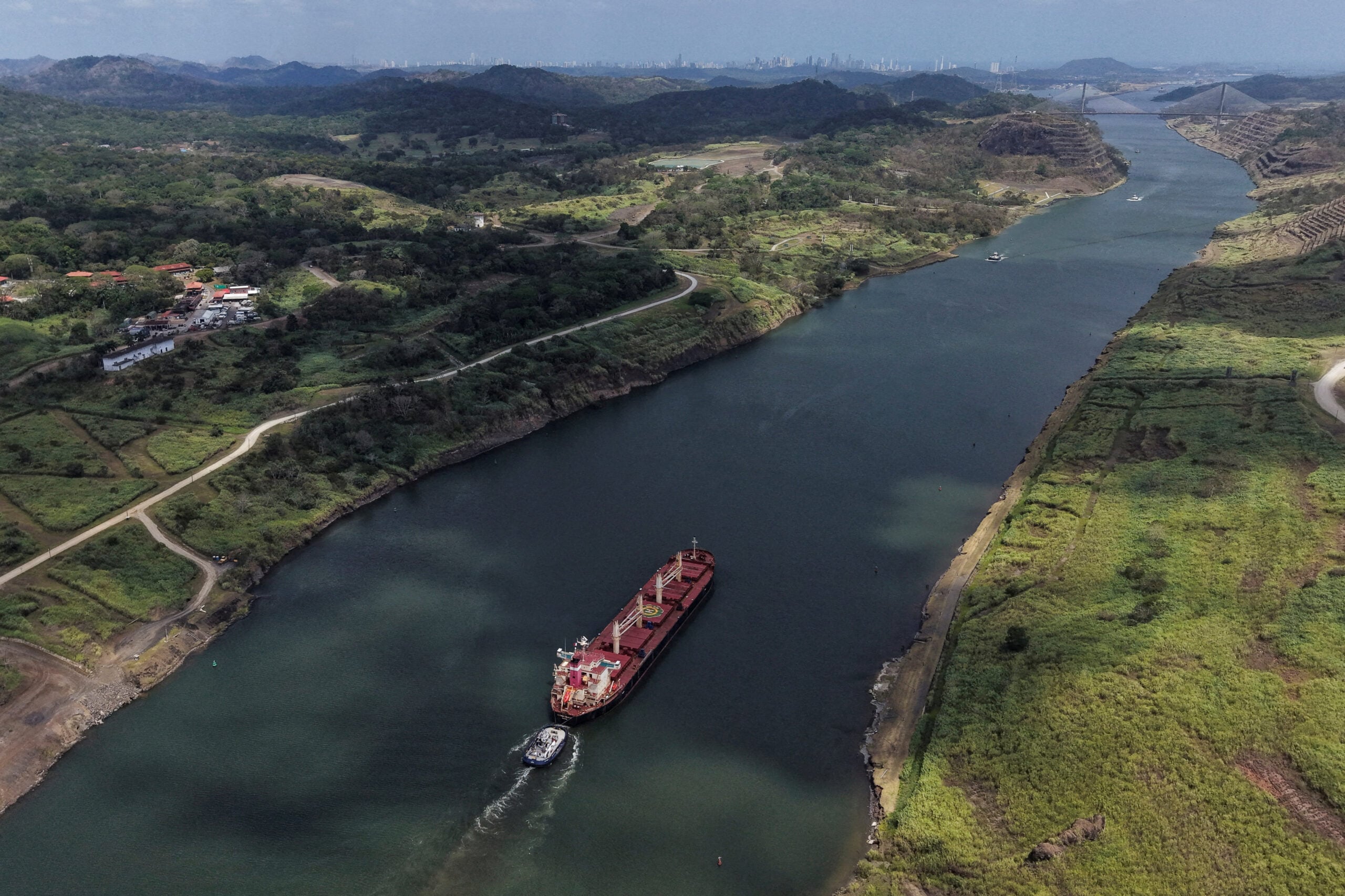
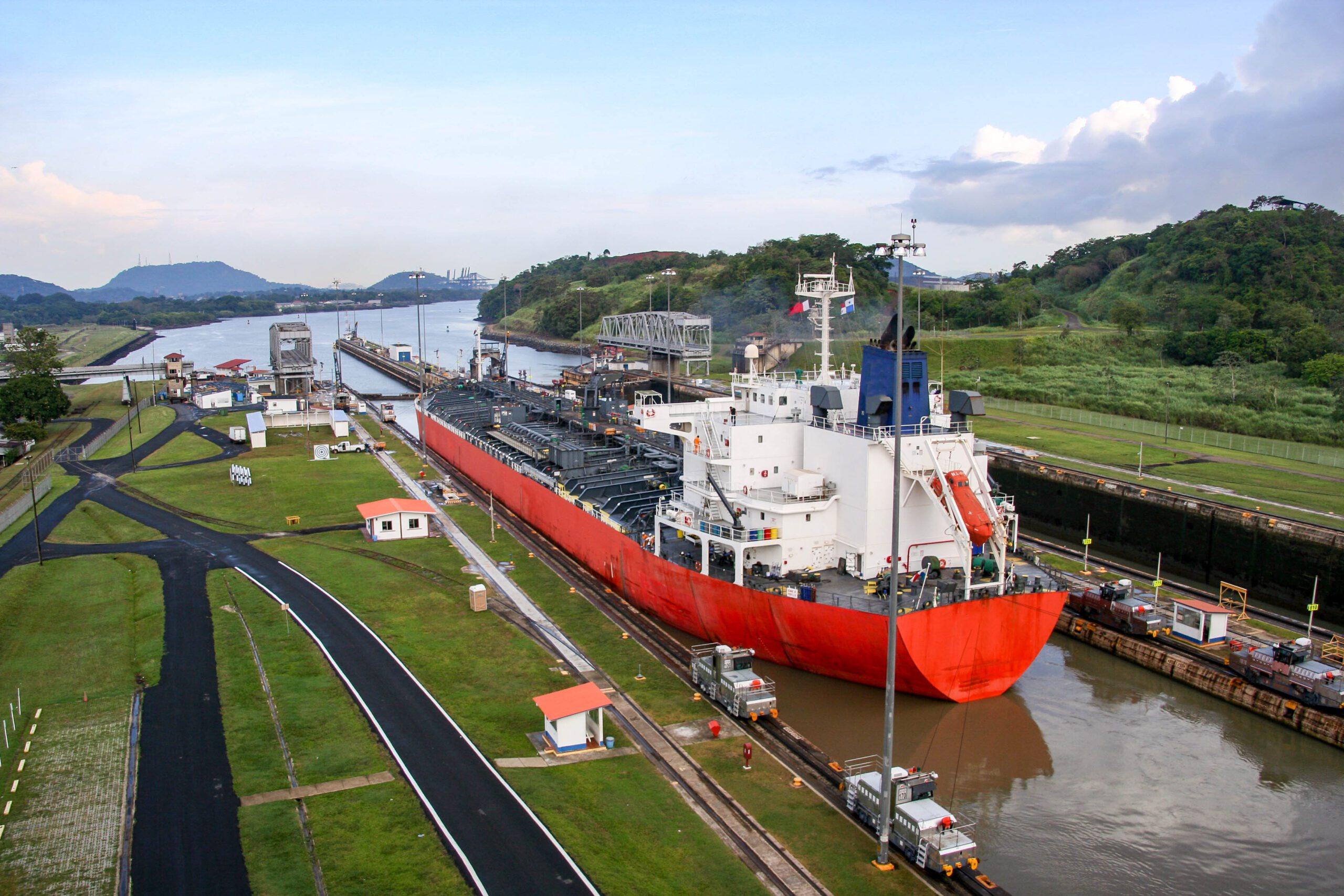
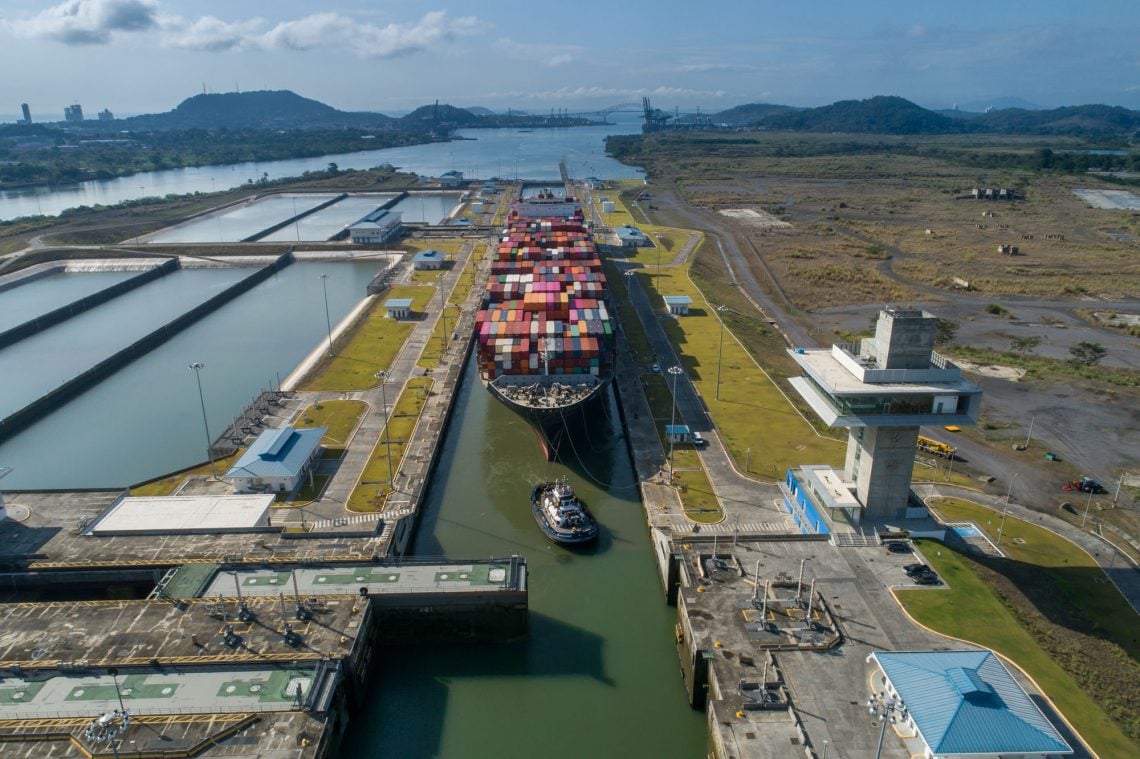
For the shipping industry, one of the biggest concerns is the Panama Canal, where rainfall has already fallen short of expectations and officials are taking steps to conserve water.
Panama Canal Administrator Ricaurte Vásquez told gCaptain last week that the canal expects the developing El Niño to last about eight months.
“What we see in the future is a very, very low level of precipitation,” Vásquez said. “We have to look at how long this event is going to last. We anticipate that it’s going to last about eight months.”
The timing is particularly difficult because conditions in the canal watershed are already relatively dry.
“The soil is drier now, so there is less water retention currently in the surrounding areas and the watershed, which makes things more complicated,” Vásquez said.
The Panama Canal Authority has already begun tightening operations. Neopanamax capacity will fall to nine daily slots beginning September 3, while Panamax capacity will initially be limited to 25 slots before dropping to 23 on September 15.
That brings back memories of the 2023-24 El Niño, when a historic drought forced the canal to sharply reduce traffic. Canal transits fell 29% during fiscal 2024, with LNG transits down 66%. At the worst point of the drought, daily traffic fell to just 22 vessels and the backlog reached 154 ships.
This time, however, the canal is heading into El Niño while dealing with unusually strong demand.
Middle East disruptions have pushed additional tanker traffic toward Panama, while LNG and LPG demand has also increased. Competition for last-minute transit slots has surged, with a recent auction reaching a record $5.3 million.
The canal has been urging customers to book ahead while trying to squeeze more cargo out of every transit. Vásquez said officials are encouraging containership operators to consolidate cargo onto larger ships where possible.
“Every drop of water counts,” Vásquez said. “We are making sure we are at a level where we have reliability for the next six to eight months, and that is critical to us.”
With El Niño still strengthening and the Panama Canal already reducing capacity, the next several months will be a key test of whether the waterway can avoid the severe restrictions and vessel backlogs seen during the last major drought.

 Join The Club