This article was written by ShipandBunker.com, the world’s leading free to access website focused on marine fuel, with news, exclusive features, and bunker price indications for 150+ ports.
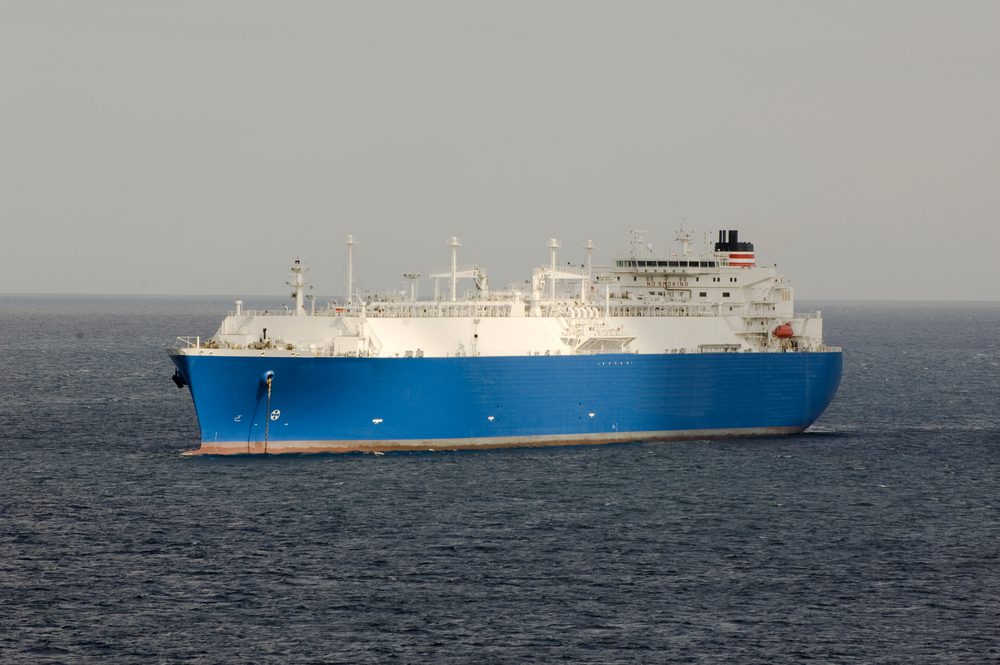
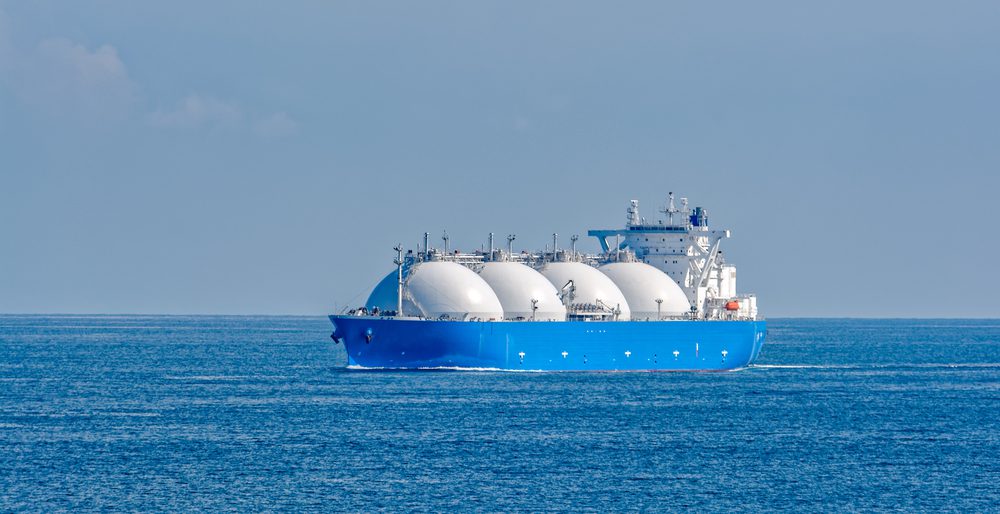
DNV GL Monday announced the completion of the LNGreen joint industry project that has developed a “state-of-the-art” next-generation liquid natural gas (LNG) carrier with an estimated 8 percent more energy efficient design and a 5 percent increased cargo capacity.
“As LNGreen utilizes existing technology it is important to stress that this concept design could be ordered today,” said Nikolaos Kakalis, Manager of DNV GL Research & Development.
The project, which involved experts from DNV GL and industry partners Gaztransport & Technigaz (GTT), Hyundai Heavy Industries Co., Ltd (HHI), and shipowner GasLog Ltd (GasLog), used the vessel concept development to investigate improvement in efficiency for LNG carriers.
“The vessel concept has a significantly improved environmental footprint, a higher level of energy efficiency, as well as an improved boil-off rate and cargo capacity, making it much better suited to future trading patterns than existing vessels” said DNV GL.
“These developments were based on DNV GL’s integrated systems engineering approach COSSMOS, state-of-the-art computational fluid dynamics calculations (CFD), and a containment system design, tailored to a specific operational profile and anticipated trades.”
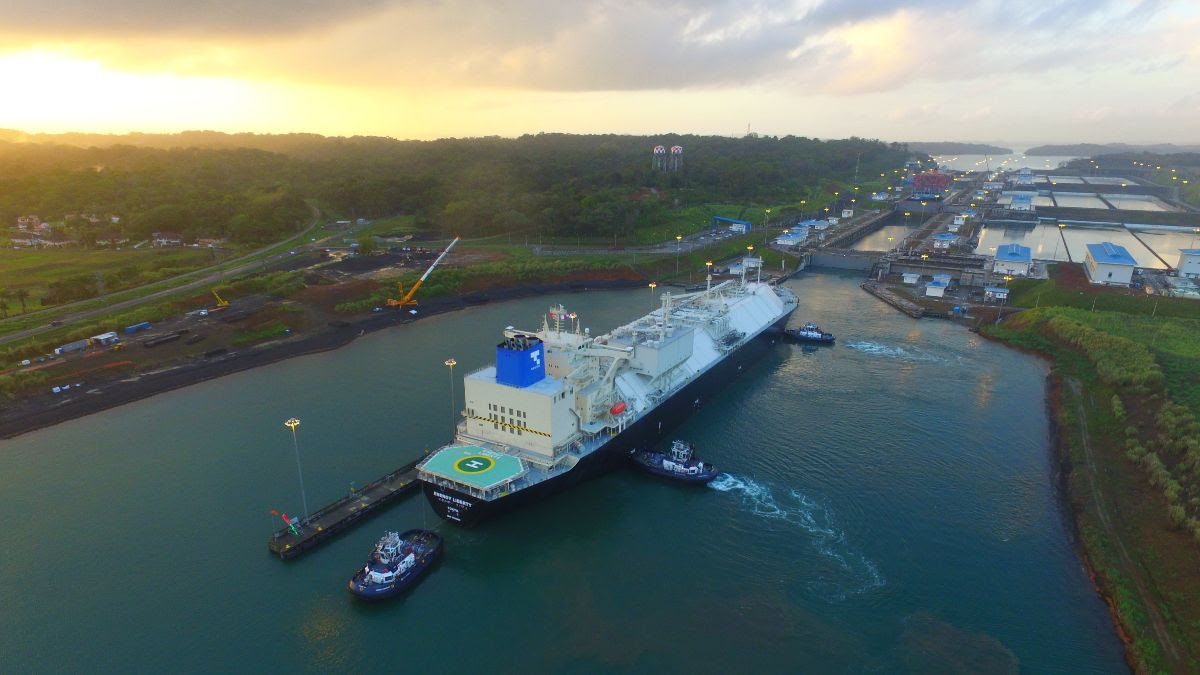
Commenting on the project, Martin Davies, Project Manager at DNV GL, said, “the design is future compliant with new IGC code, Panama requirements as well as significant advances in a range of features, including the speed-range flexibility, hull form and boil-off rate.”
The total efficiency was said to be assessed using an integrated systems approach, and considered vessel operation on a number of trading routes, taking into account varying requirements of each, such as speed, propulsion, electrical and heat demand.
In April, DNV GL said newly finalized U.S. Coast Guard (USCG) guidance on Liquefied Natural Gas (LNG) bunkering leverages its guidance on simultaneous operations from its Recommended Practice for “Development and Operation of LNG Bunkering Facilities.”
For more bunker news, follow Ship and Bunker on on twitter and Facebook.

 Join The Club