Davie’s Helsinki Shipyard has won a contract to build Finland’s newest icebreaker, adding another vessel to a rapidly expanding order book for the Canadian shipbuilder’s Finnish operations as governments on both sides of the Atlantic seek to renew aging icebreaker fleets.
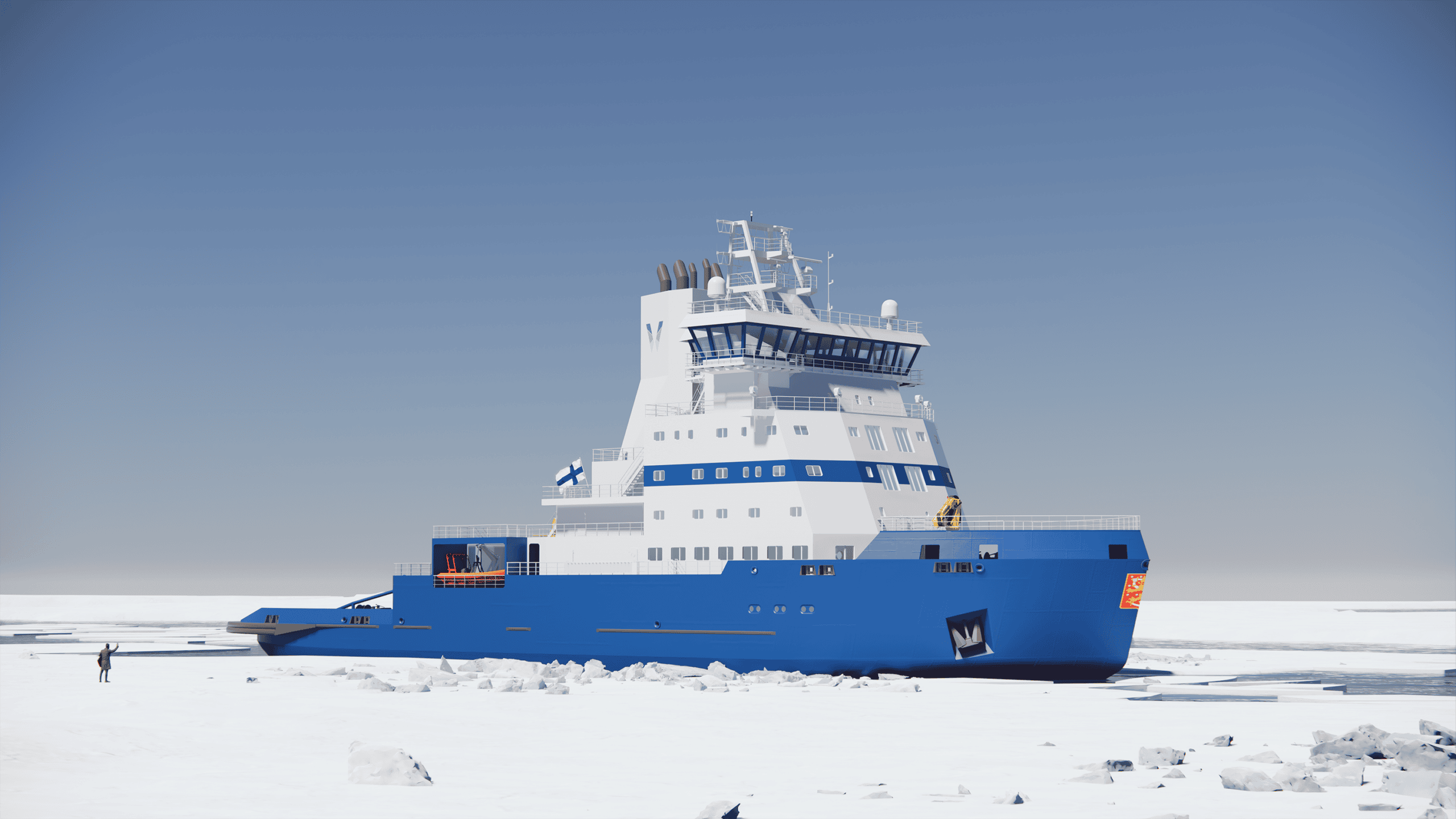
The Finnish Transport Infrastructure Agency selected DNY Finland Oy, which operates Helsinki Shipyard, to build the 96-meter Aino. Construction is scheduled to begin in 2027, with delivery targeted for September 2029. The vessel will replace Voima, Finland’s 70-year-old B-class icebreaker.
“Finnish winter shipping is based on long-term expertise and close cooperation. It is important that we get the icebreaker project to proceed as planned. […] We are also pleased that the ship is being built in Finland,” Kari Wihlman, Director General of the Finnish Transport Infrastructure Agency, said.
Helsinki Shipyard CEO Kim Salmi said the contract was a natural continuation of the yard’s long icebreaker-building history.
“It is fitting that the successor to Voima will be built at the same shipyard where Finnish icebreaking history has been made for more than a century,” Salmi said. “The past few years have demonstrated that we remain the world’s leading builder of icebreakers,” he continued.
The award strengthens Davie’s position as one of the world’s busiest icebreaker builders. Davie acquired Helsinki Shipyard in 2023 and is simultaneously using the Finnish yard to support major North American programs.
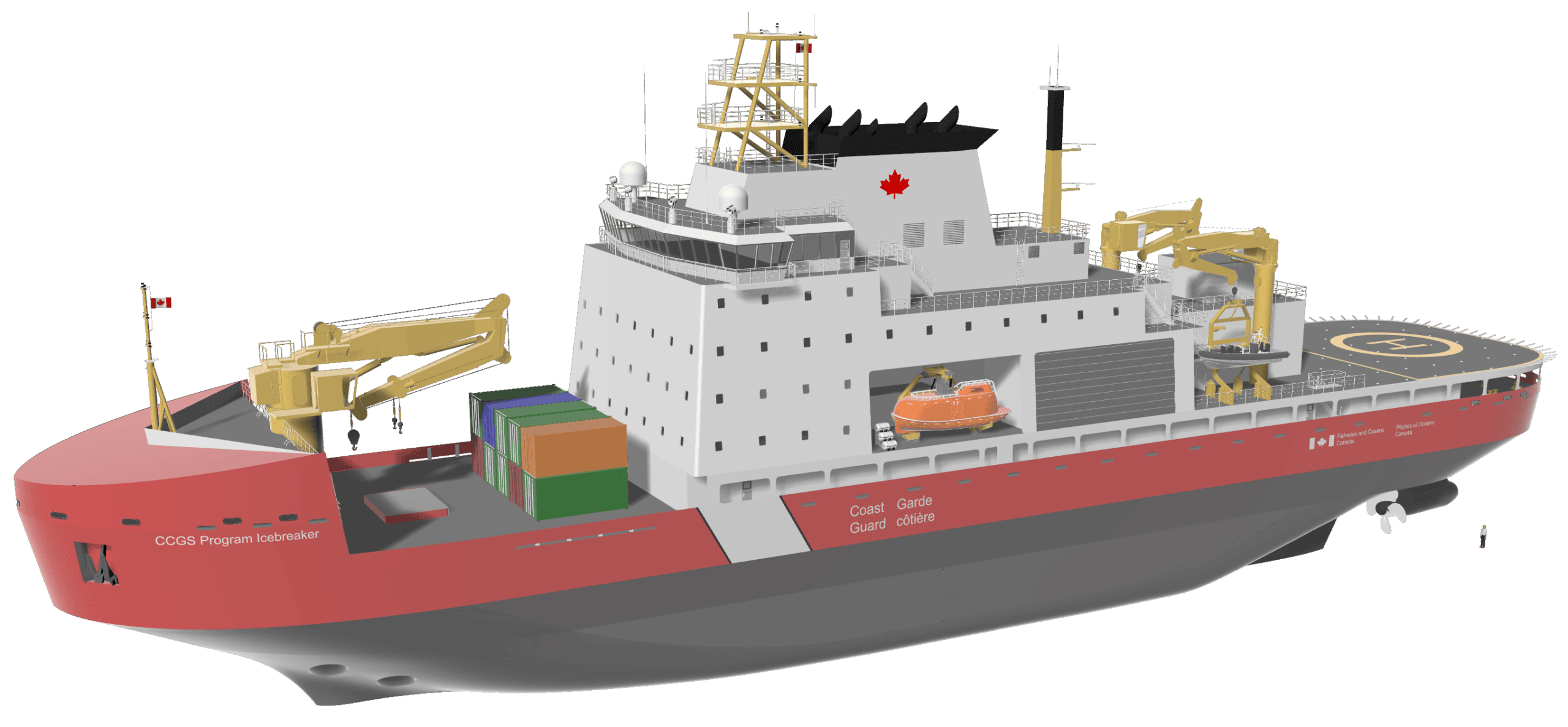
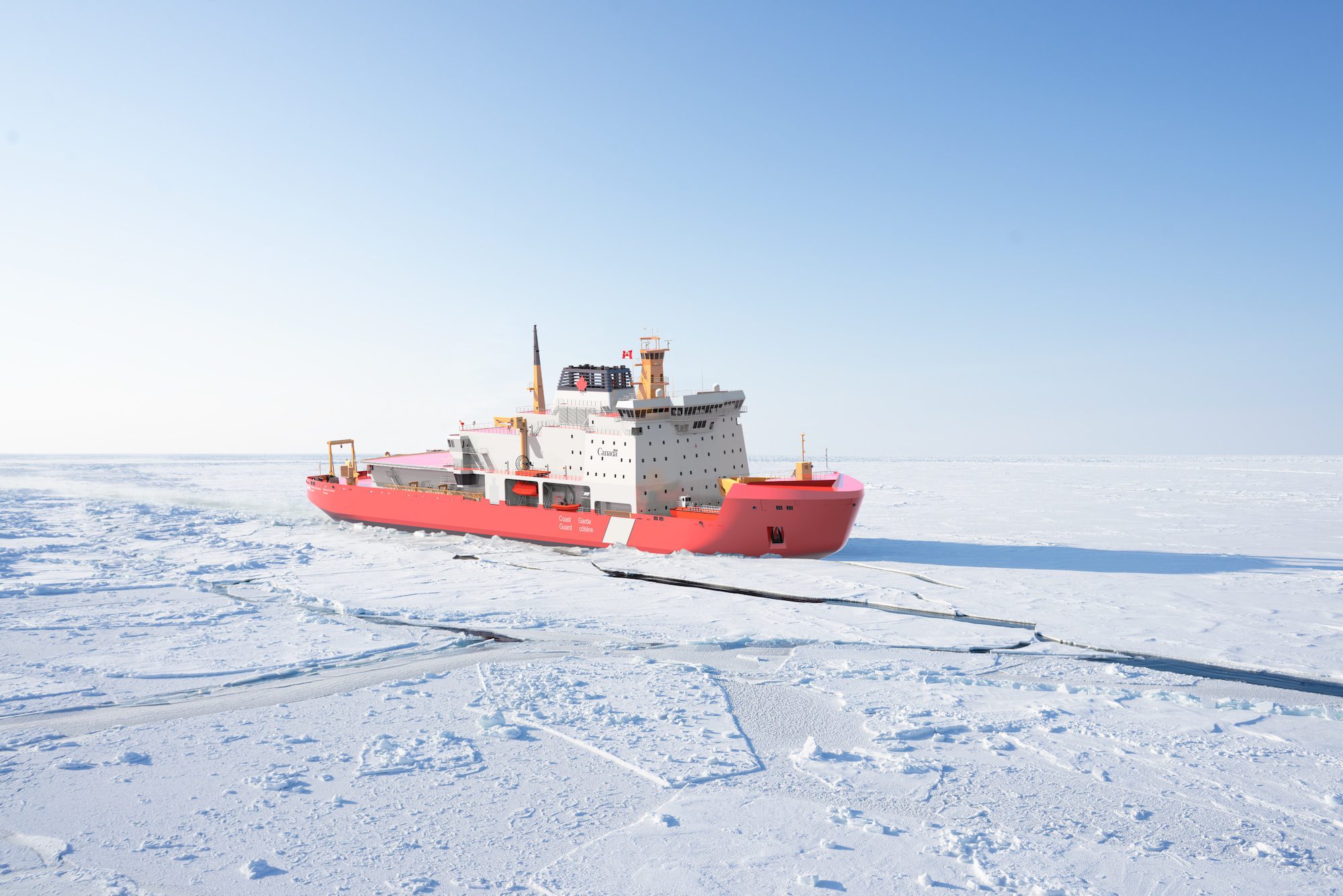
In Canada, Davie holds a C$3.25 billion contract to design and build the Canadian Coast Guard’s Polar Max, one of the world’s most powerful conventional heavy icebreakers. Construction of the vessel began in Lévis this year, while hull construction is being carried out at Helsinki Shipyard before the vessel returns to Quebec for completion.
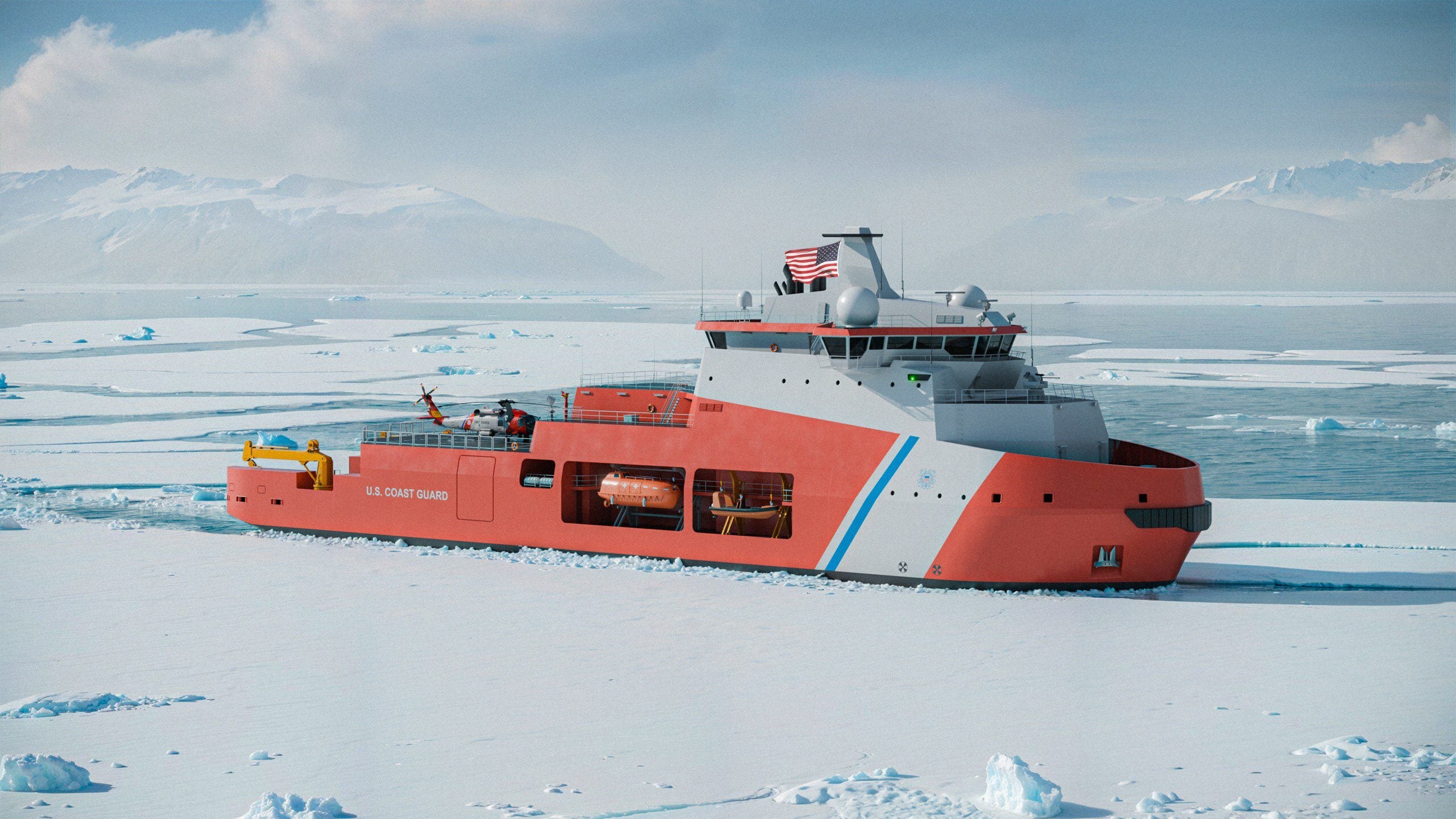
Davie has also secured a $3.5 billion U.S. Coast Guard contract for five Arctic Security Cutters. Two will be built at Helsinki Shipyard, while three will be constructed at Davie facilities in Texas. The first is scheduled for delivery in 2028.
Aino is significantly smaller than those polar vessels but is designed for a different and increasingly important role in the Baltic. The B+ class sits between Finland’s large A-class icebreakers and traditional B-class vessels, with Aino designed to open a 25-meter channel and powered by 10.5 megawatts of propulsion.
The design was developed by Railotech, formerly Aker Arctic, specifically around changing Baltic ice conditions. Rather than optimizing solely for thick level ice, designers focused on maneuverability in fragmented and heavy brash ice, operation near the ice edge in wind and waves, and the ability to move rapidly between different operating areas.
Railotech’s concept calls for Aino to begin the winter in the Bothnian Bay, where ice conditions are typically most severe, before moving south as conditions change. The ship’s relatively small size and strong open-water performance are intended to make it economical to operate for a long season, including winters when Finland’s largest icebreakers are not needed.
That “future-ready” approach reflects a paradox of Baltic climate change: less overall ice does not necessarily mean easier icebreaking. Milder winters can produce more fragmented ice, slush barriers and mobile brash-ice fields that can obstruct commercial shipping.
The project is backed by €42 million from the European Union’s Connecting Europe Facility, the largest CEF transport grant ever awarded to Finland.
Finland’s overall budget for Aino is about €170 million, according to Finnish industry reporting.
Aino will also be built through a broader Finnish industrial network. Helsinki Shipyard will handle overall assembly and delivery, while Davie affiliate Sata Shipbuilding in Pori will produce steel and fabricate blocks. Davie says its Finnish yards are part of a €200 million investment program intended to expand shipbuilding capacity through the end of the decade.

 Join The Club