Federal prosecutors have reached a deferred prosecution agreement with the chief engineer of the containership Dali, with the veteran Indian mariner admitting to conduct constituting a criminal violation of the Ports and Waterways Safety Act for failing to report a known hazardous condition aboard the vessel before its catastrophic allision with Baltimore’s Francis Scott Key Bridge.
The agreement, announced Friday by the U.S. Attorney’s Office for the District of Maryland, marks the first admission of criminal wrongdoing by an individual directly involved in operating the vessel at the center of one of the worst maritime disasters in recent U.S. history.
Chief Engineer Karthikeyan Deenadayalan admitted that he was aware the Dali and two sister ships—the Maersk Saltoro and Cezanne—were operating with an unsafe fuel supply arrangement that lacked redundancy and could impair the vessels’ ability to recover from a power loss.
According to the statement of facts filed with the agreement, the vessels used a flushing pump as part of their fuel supply system even though it was not designed to automatically restart following a blackout. Deenadayalan admitted he understood that the lack of redundancy posed a hazard to the safe navigation of the vessels and could endanger bridges, structures and shore facilities, yet failed to report the condition to the U.S. Coast Guard as required by law.
The deferred prosecution agreement allows prosecutors to suspend criminal prosecution provided Deenadayalan complies with the terms of the agreement. The criminal information filed against him alleges a violation of the Ports and Waterways Safety Act, though prosecutors emphasized that criminal charges remain allegations unless proven in court.
The agreement also sheds additional light on communications between Deenadayalan and Radhakrishnan Karthik Nair, a Synergy technical superintendent who was indicted last month alongside two ship management companies.
According to the filing, Deenadayalan admitted that Nair directed him to send a “convincing” email to the vessel’s charterer regarding the Dali‘s fuel consumption to avoid drawing attention to the use of the flushing pump.
The admission is closely tied to the broader criminal case unveiled in May against Singapore-based Synergy Marine Pte Ltd, Chennai-based Synergy Maritime Pvt Ltd, and Nair.
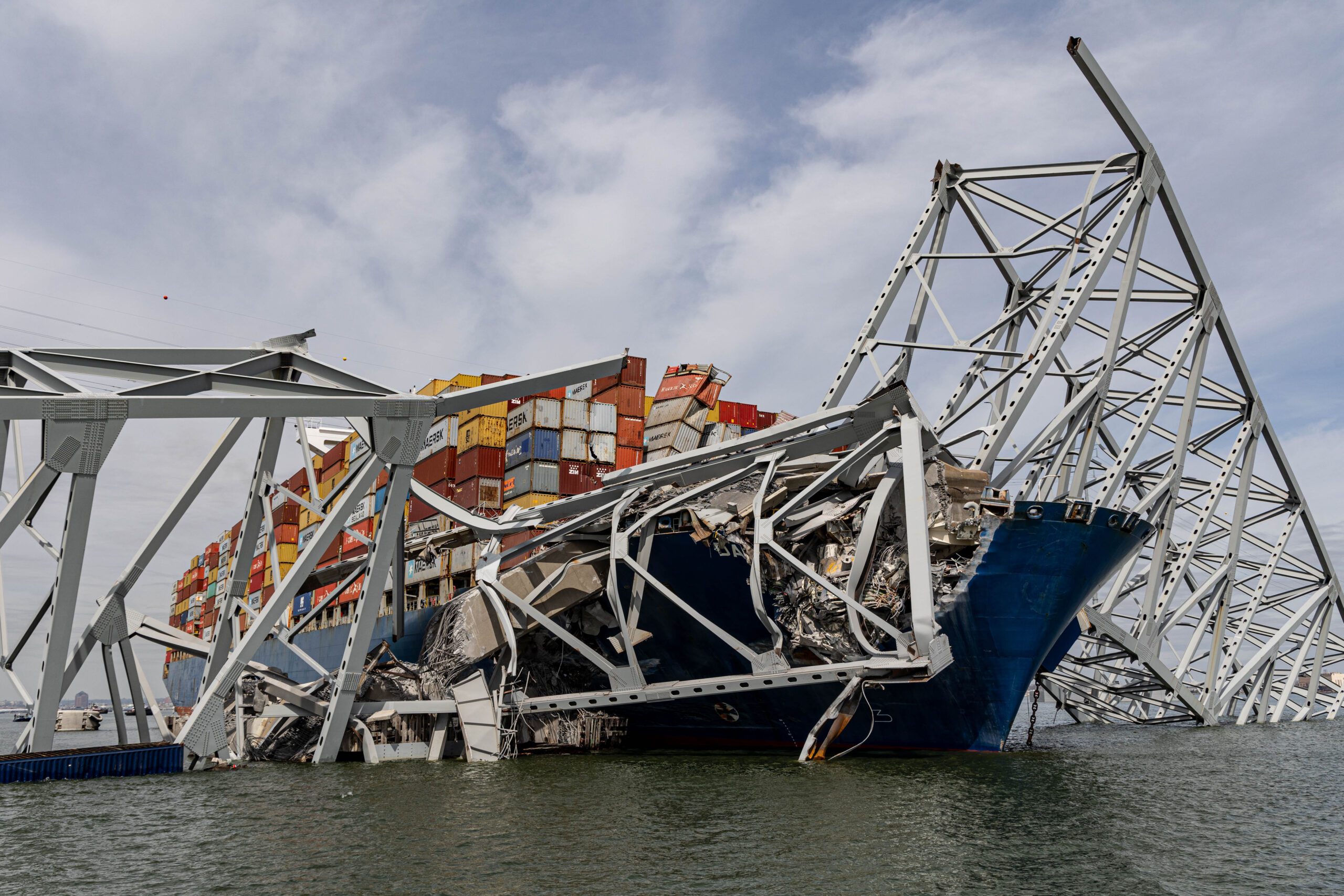
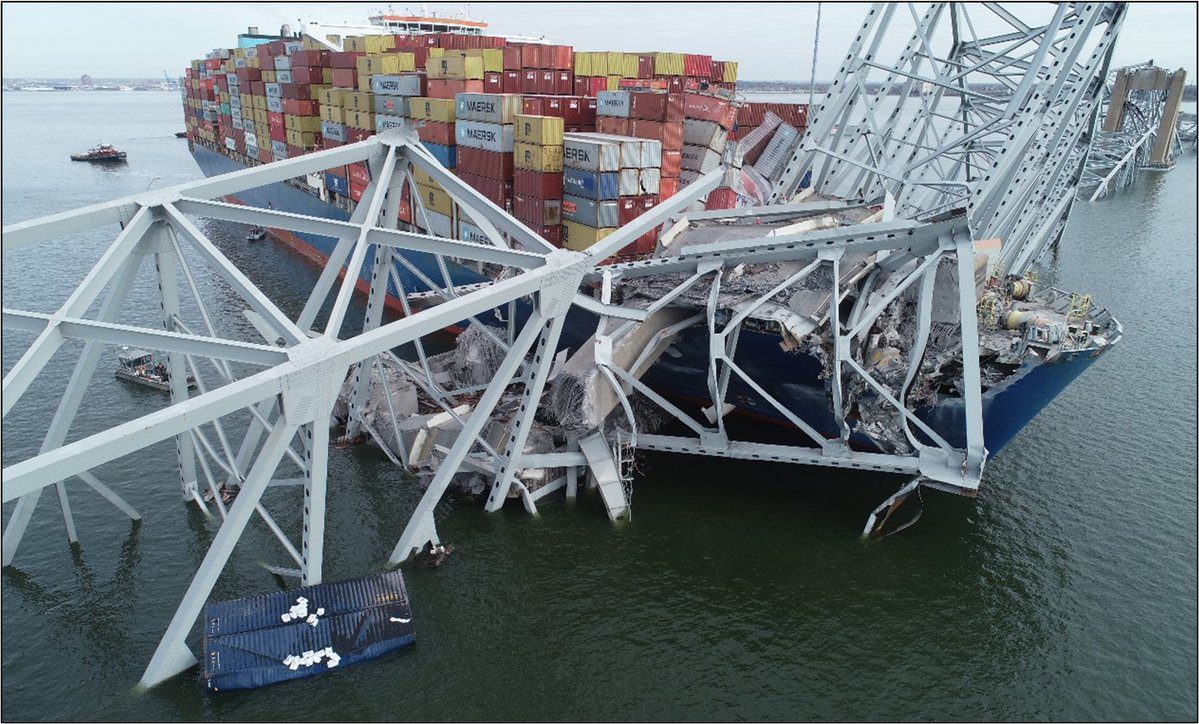
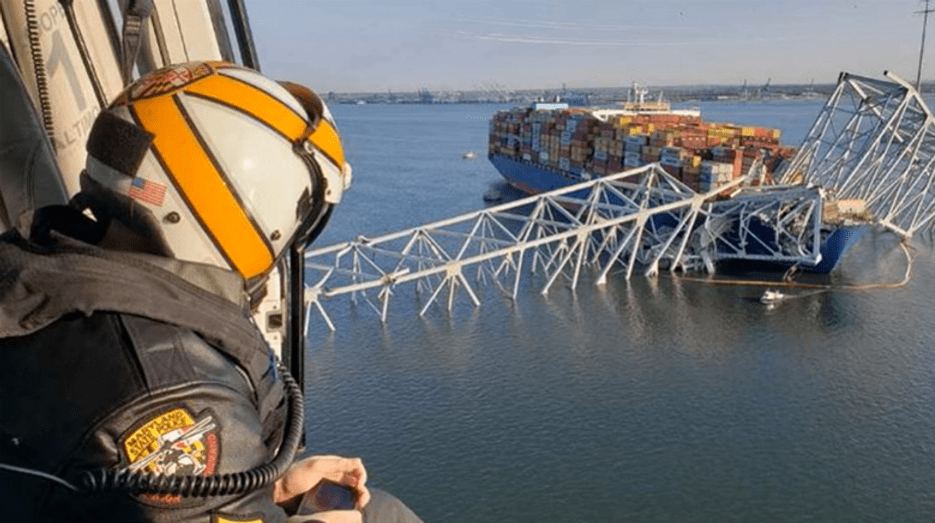
Federal prosecutors allege the defendants knowingly operated the Singapore-flagged containership with unsafe modifications that contributed to the blackout sequence that ultimately caused the vessel to strike the Francis Scott Key Bridge on March 26, 2024.
The collapse killed six construction workers, shut down access to the Port of Baltimore for weeks, and caused an estimated $5 billion in economic damage.
According to the indictment, the Dali suffered two power losses within four minutes while departing Baltimore Harbor. Investigators believe a loose wire in a high-voltage switchboard triggered the initial blackout. However, prosecutors allege the vessel’s backup systems had been altered in a way that undermined critical redundancies.
At the center of the case is the flushing pump, which prosecutors say was improperly used to supply fuel to two diesel generators despite not being designed to automatically restart after a blackout. As a result, the generators allegedly lost fuel supply following the first outage, leading to a second blackout that left the vessel without propulsion or steering moments before impact.
The allegations align with findings from the investigation by the National Transportation Safety Board, which concluded that an improperly secured signal wire triggered the initial electrical failure aboard the nearly 1,000-foot vessel.
Separately, shipbuilder HD Hyundai Heavy Industries has alleged that the vessel’s operators bypassed built-in redundancies after delivery by replacing automatic fuel supply pumps with the non-redundant flushing pump, a modification the company said violated classification rules and contributed directly to the second blackout.
The broader criminal case remains pending. The defendants, including the two Synergy companies and Nair, have denied wrongdoing and are presumed innocent unless proven guilty in court.
The case is being investigated by the Federal Bureau of Investigation, the Coast Guard Investigative Service, and the Environmental Protection Agency Criminal Investigation Division.

 Join The Club