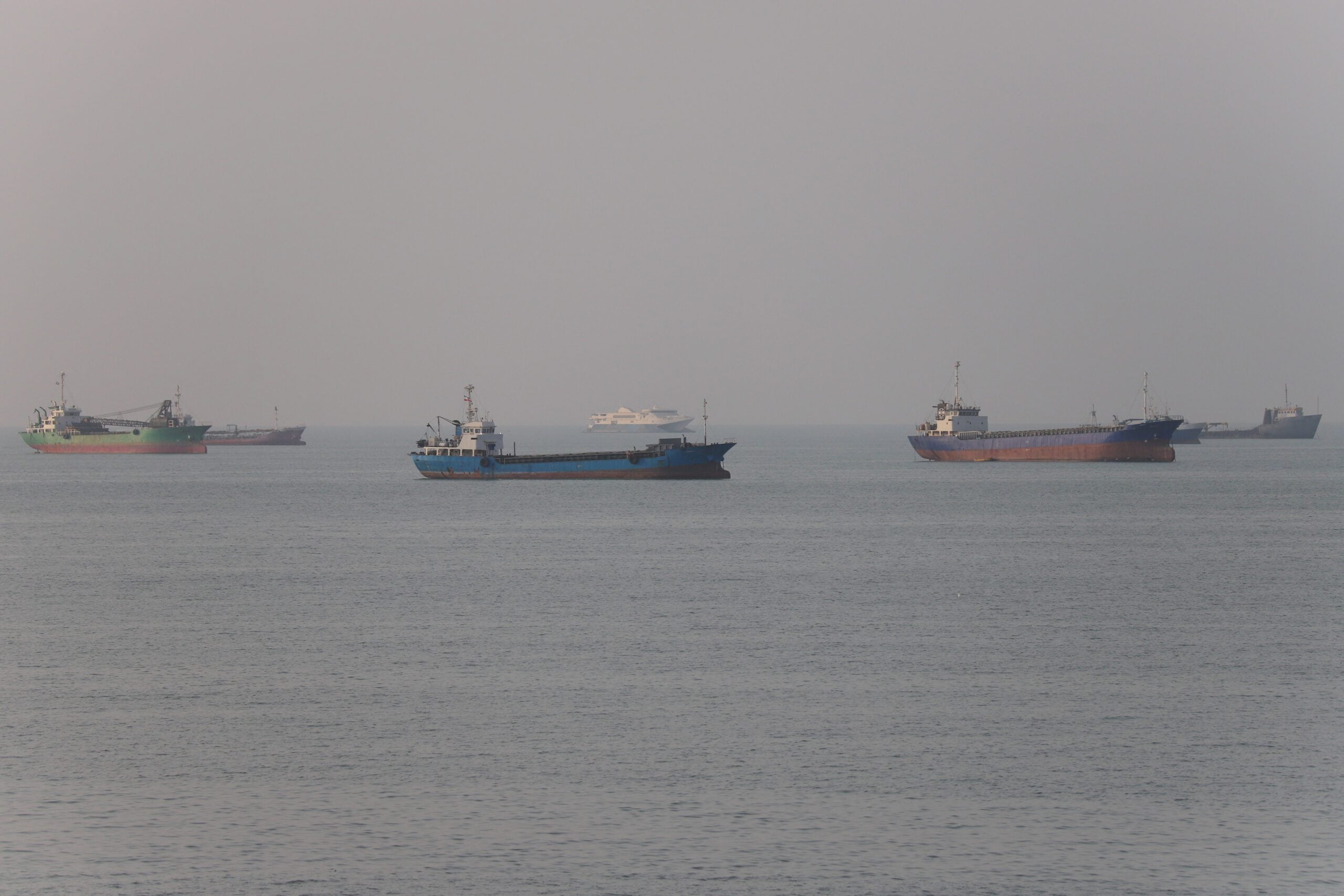
LONDON, July 10 (Reuters) – Countries should reject efforts by Iran to impose sovereignty over the Strait of Hormuz and Tehran’s “unilateral decision” to create a body to control traffic through the waterway, the U.N. shipping agency’s governing council agreed on Friday.
The U.S. and Iran exchanged hostilities this week, including U.S. military airstrikes, prompted by attacks on ships that Washington said Tehran carried out.
The attacks renewed concerns about the recovery of global oil supplies and shipping, and highlighted the fragility of an interim truce to end the more than four-month conflict while the U.S. and Iran hammer out a lasting agreement.
The U.N.’s London-based International Maritime Organization (IMO) is responsible for regulating the safety and security of international shipping and preventing pollution, and comprises 176 member states.
Protection of vital shipping lanes was discussed at a session this week of its 40-member governing council. Gulf countries, the United States and Iran clashed over the future of the strait.
NO RECOGNITION OF IRAN’S SOVEREIGNTY CLAIM, IMO COUNCIL SAYS
The IMO Council “strongly condemned” Iran’s decision to “establish an entity purporting to control traffic through the strait,” according to the text of a non-binding decision reached.
The Council decision called upon member states not to recognize “Iran’s claim of sovereignty over the Strait of Hormuz, its assertions of jurisdiction over the maritime zones of third states in and around the strait, which violated the sovereignty, sovereign rights and exclusive jurisdiction of these states” and not to recognize any Iranian decisions aimed at “closing, obstructing, hampering or otherwise interfering with international navigation and the right of transit passage.”
Iran’s recently created Persian Gulf Strait Authority said in an advisory in June that no vessel was permitted to pass through the waterway “without a valid passage permit” issued by the body.
Iran, which does not have a seat on the Council, told IMO delegates this week it rejected “the selective, politically motivated and legally unfounded allegations” made against it.
Iran was not a party to the UNCLOS international maritime convention and was “not bound by the treaty-based regime,” its IMO delegation said.
“The measures implemented by … Iran are intended to uphold maritime safety and security, prevent the provision of support or assistance to acts of aggression, safeguard Iran’s sovereignty and vital security interests, and ensure that navigation remains safe and non-threatening. These measures do not constitute the closure of the strait,” Tehran’s delegation said.
(Reporting by Jonathan Saul; Editing by Sharon Singleton)
(c) Copyright Thomson Reuters 2026.

 Join The Club