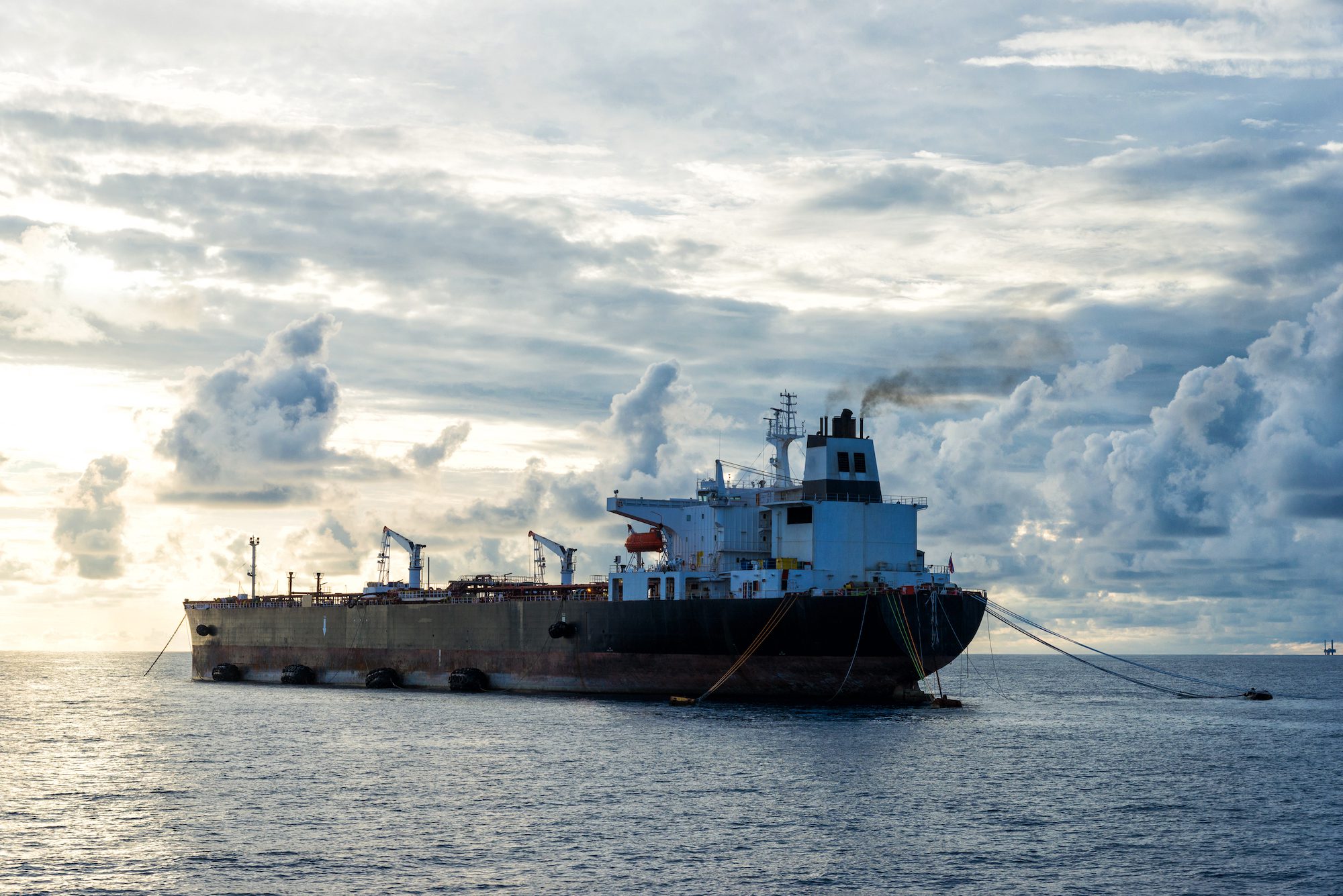
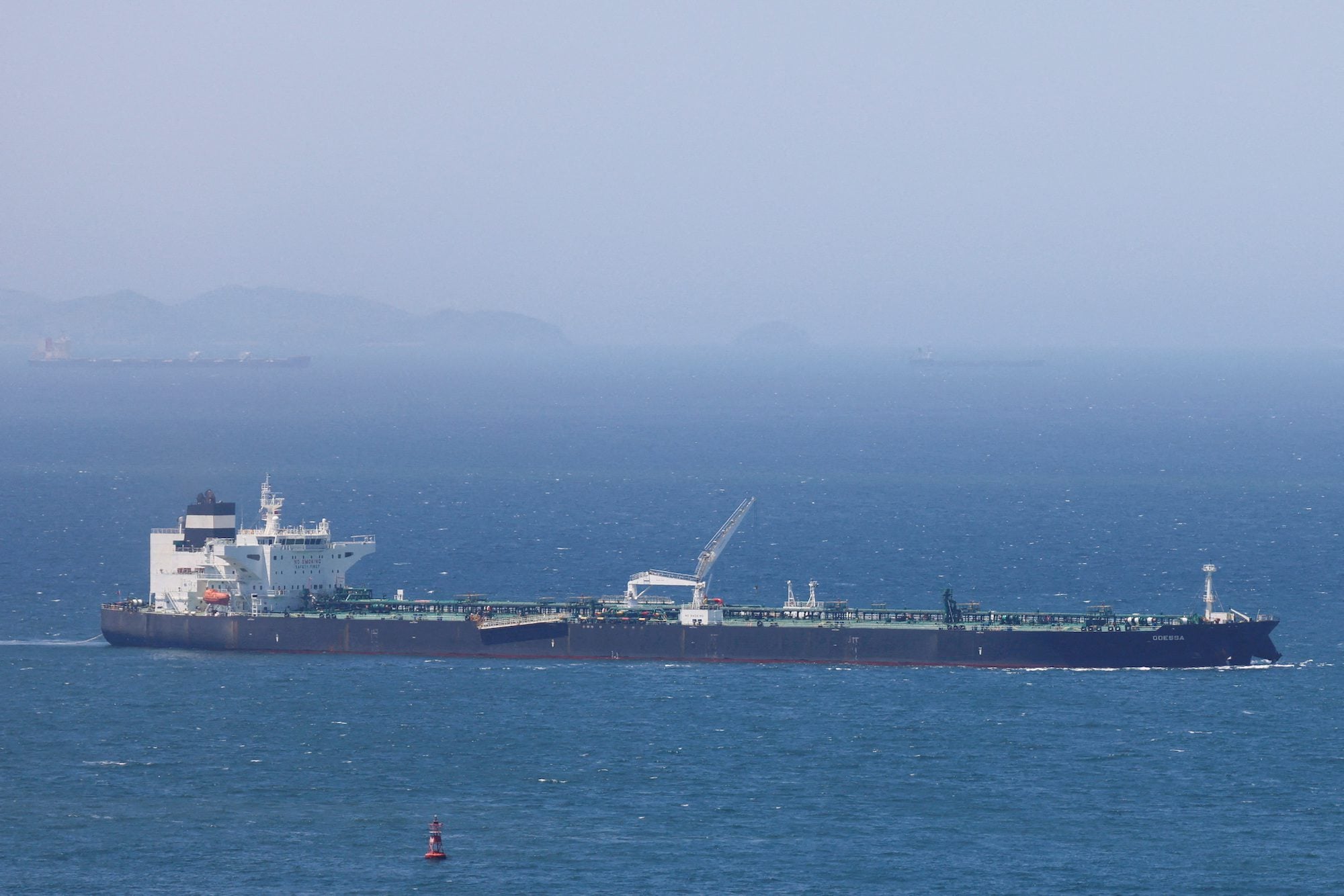
Global oil markets are beginning to recover from months of disruption, but the International Energy Agency says the outlook remains heavily dependent on whether shipping through the Strait of Hormuz continues to normalize after renewed fighting between the United States and Iran.
In its July Oil Market Report, the IEA said world oil demand is rebounding from a May low as seasonal consumption increases and fuel supplies recover, while crude production and exports from the Persian Gulf have partially resumed following the reopening of the Strait of Hormuz.
However, the agency warned that the latest escalation in hostilities on July 7-8 threatens to derail expectations that global oil markets will return to surplus next year.
“Renewed exchanges of fire in the Gulf this week highlight the risks of not reaching a lasting peace agreement, which is a must for the normalisation in oil markets,” the report said.
Gulf Oil Flows Recover, But Remain Well Below Pre-War Levels
The IEA estimated global oil supply rose by 4.1 million barrels per day (mb/d) in June to 98.8 mb/d as tankers resumed moving through the Strait of Hormuz and Gulf producers restarted some output.
Even so, global production remained roughly 9.4 mb/d below pre-war levels.
With the United States temporarily easing restrictions on Iranian exports and providing security support for non-Iranian shipping, Gulf oil exports surged by 6.5 mb/d during June to 16.1 mb/d. That marked a significant recovery but remained well below the roughly 24 mb/d exported before the conflict began.
Much of the increase came from crude oil and condensate exports as producers emptied floating storage and onshore inventories accumulated during the disruption. Gulf crude production itself rose by a more modest 3.5 mb/d, leaving output still 11.4 mb/d below pre-war levels.
The rebound in tanker movements also pushed global observed oil inventories higher for the first time in four months. Oil held aboard ships increased by 117 million barrels, more than offsetting continued draws from onshore storage.
Crude Prices Fall as Product Markets Tighten
The return of crude exports sent benchmark oil prices sharply lower during June.
North Sea Dated crude fell by about $31 per barrel during the month, reaching roughly $68 per barrel by early July, its lowest level since January and below pre-war prices.
After fighting resumed this week, prices rebounded to around $77 per barrel.
While crude markets have become better supplied, refined fuel markets remain significantly tighter.
The IEA said Middle Eastern export refineries have yet to fully restart operations, while Ukrainian strikes continue to disrupt Russian refining capacity and fuel exports.
As a result, refinery margins and refined product “cracks” climbed to four-year highs in early July despite falling crude prices. Diesel and gasoline markets remain especially tight, although jet fuel supplies have improved as refiners increase production.
Global refinery throughput rose by 1.5 mb/d in June but remained roughly 6 mb/d below year-earlier levels.
Oil Demand Begins Recovering
The agency said global oil demand reached a low point of 97.9 mb/d in May, down 5.3 mb/d from a year earlier.
Demand is expected to recover steadily through the second half of the year, rising by more than 8 mb/d from May levels by October as peak summer travel combines with pent-up consumption following fuel shortages.
Even with that recovery, the IEA forecasts global oil demand will decline by an average of 1 mb/d during 2026 before rebounding by 2 mb/d in 2027.
Quarterly declines are also expected to ease significantly, from a contraction of 4.8 mb/d during the second quarter to 1.7 mb/d in the third quarter before returning to modest year-over-year growth in the fourth quarter.
Outlook Depends on Strait of Hormuz
The IEA said its supply outlook assumes a gradual recovery in tanker traffic through the Strait of Hormuz, allowing producers to restore output and refiners across the Middle East to resume exports.
Under that scenario, global oil supply would average 102.6 mb/d this year before expanding by 7.5 mb/d in 2027.
But the agency stressed that forecast remains contingent on a rapid de-escalation of the renewed conflict.
“The global oil market balance looks set to swing back to surplus towards the end of the year,” the report said, “but the forecast hinges on the assumption that tanker flows through the Strait will gradually recover.”

 Join The Club