A small number of merchant vessels have begun edging back through the Strait of Hormuz, offering the first visible signs of movement after weeks of disruption. But far from signalling recovery, these carefully managed transits are exposing a deeper and more unsettling shift: one of the world’s most critical shipping lanes is no longer operating under normal commercial rules.
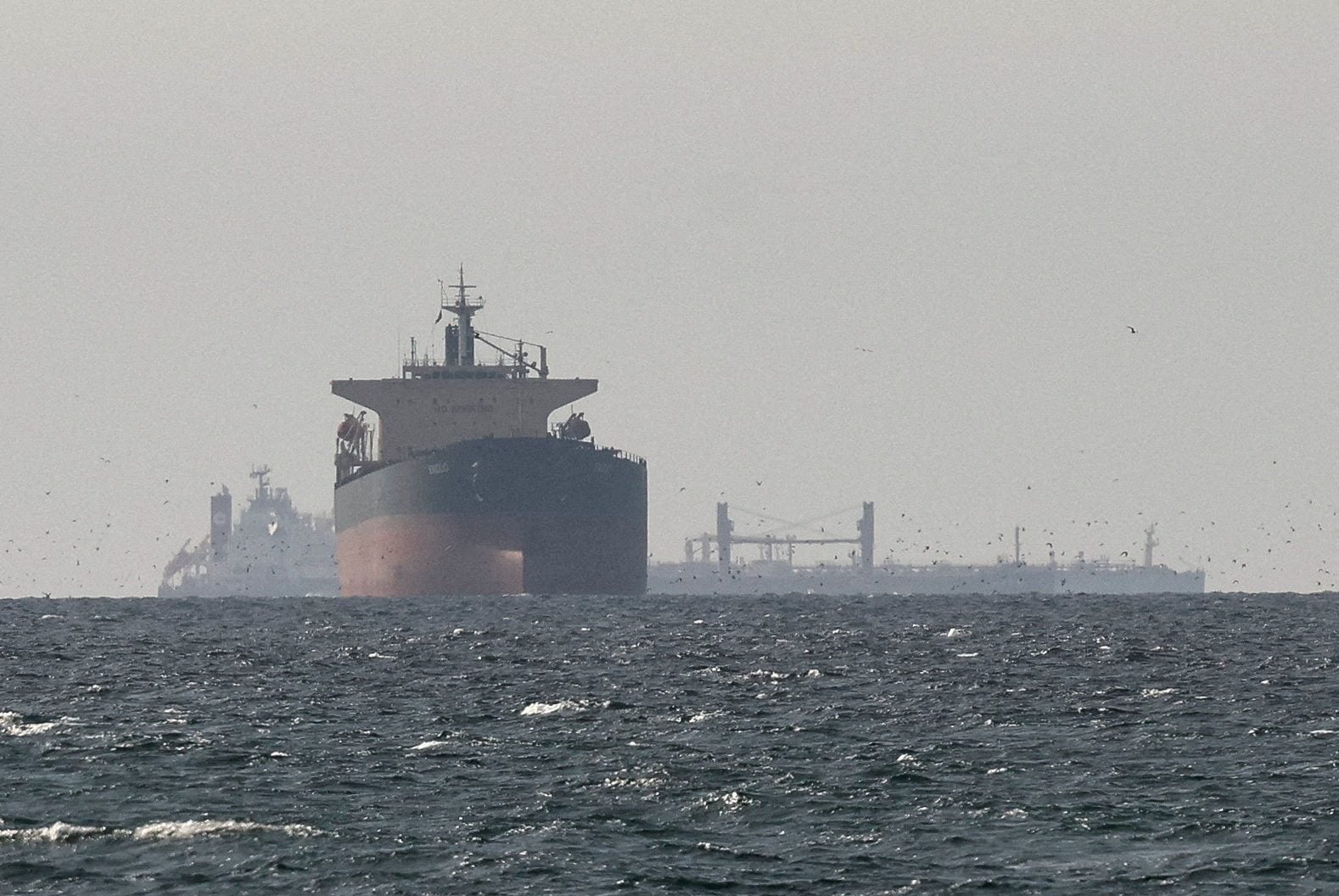
By Paul Morgan (gCaptain) – Among the most closely watched developments in the past 24 hours has been the confirmed passage of the French-linked container vessel CMA CGM Kribi, which successfully transited the strait despite the ongoing security crisis. The crossing, alongside a handful of others involving Japanese and regionally linked tankers, marks a significant moment not because traffic has resumed, but because it reveals how shipping is adapting to a fundamentally altered operating environment.
The key detail is not simply that ships are moving again, but how they are doing so. Vessel tracking data shows that some ships are modifying their Automatic Identification System transmissions to emphasise national ownership or political alignment, a tactic designed to reduce the likelihood of being targeted. The CMA CGM vessel reportedly adjusted its AIS messaging to highlight French ownership, a subtle but telling signal in a region where nationality now appears to influence operational risk.
At the same time, overall traffic through Hormuz remains at a fraction of normal levels. Estimates suggest that daily movements have fallen to only a handful of vessels compared with the dozens that would typically transit each day. Most of those currently moving appear linked to countries perceived as neutral or strategically aligned with Iran, including Asian and regional operators.
This pattern reinforces the view that Hormuz has not reopened in any meaningful commercial sense. Instead, it is beginning to function as a controlled corridor where access is selective, conditional and heavily influenced by geopolitics. For shipowners and charterers, that represents a profound shift in how one of the world’s most important shipping lanes operates.
Adding to the complexity are growing indications that Iran may be moving toward a more structured system of control over the strait. While not formally confirmed in full detail, multiple reports suggest that vessels seeking to transit may need to undergo screening, provide detailed voyage information and, in some cases, comply with political or operational conditions before being allowed to pass.
If even partially accurate, such developments would mark a dramatic departure from the long-standing principle of free navigation through international waterways. The Strait of Hormuz has historically functioned as a neutral artery for global trade, governed by established maritime law. The emergence of a system in which passage is negotiated or selectively permitted would fundamentally alter that framework.
The implications for global shipping are immediate and far-reaching. Hormuz carries around 20 percent of the world’s oil and a substantial share of liquefied natural gas exports. Any sustained disruption, or restructuring of access, has direct consequences for energy markets, freight rates and supply chains.
The current situation is already feeding into broader economic pressures. Energy prices have risen in response to the disruption, while shipowners are facing sharply increased war-risk insurance premiums and operational uncertainty. For some operators, the risk premium associated with transiting the strait now outweighs the commercial value of the voyage, while others are willing to accept elevated risks in exchange for significantly higher freight rates.
Diplomatic efforts to stabilise the situation are intensifying, but so far have produced limited tangible results. A coalition of countries has begun coordinating responses aimed at pressuring Iran to restore normal shipping conditions, but the absence of a unified and enforceable framework means that, for now, individual nations and operators are left to navigate the crisis largely on their own.
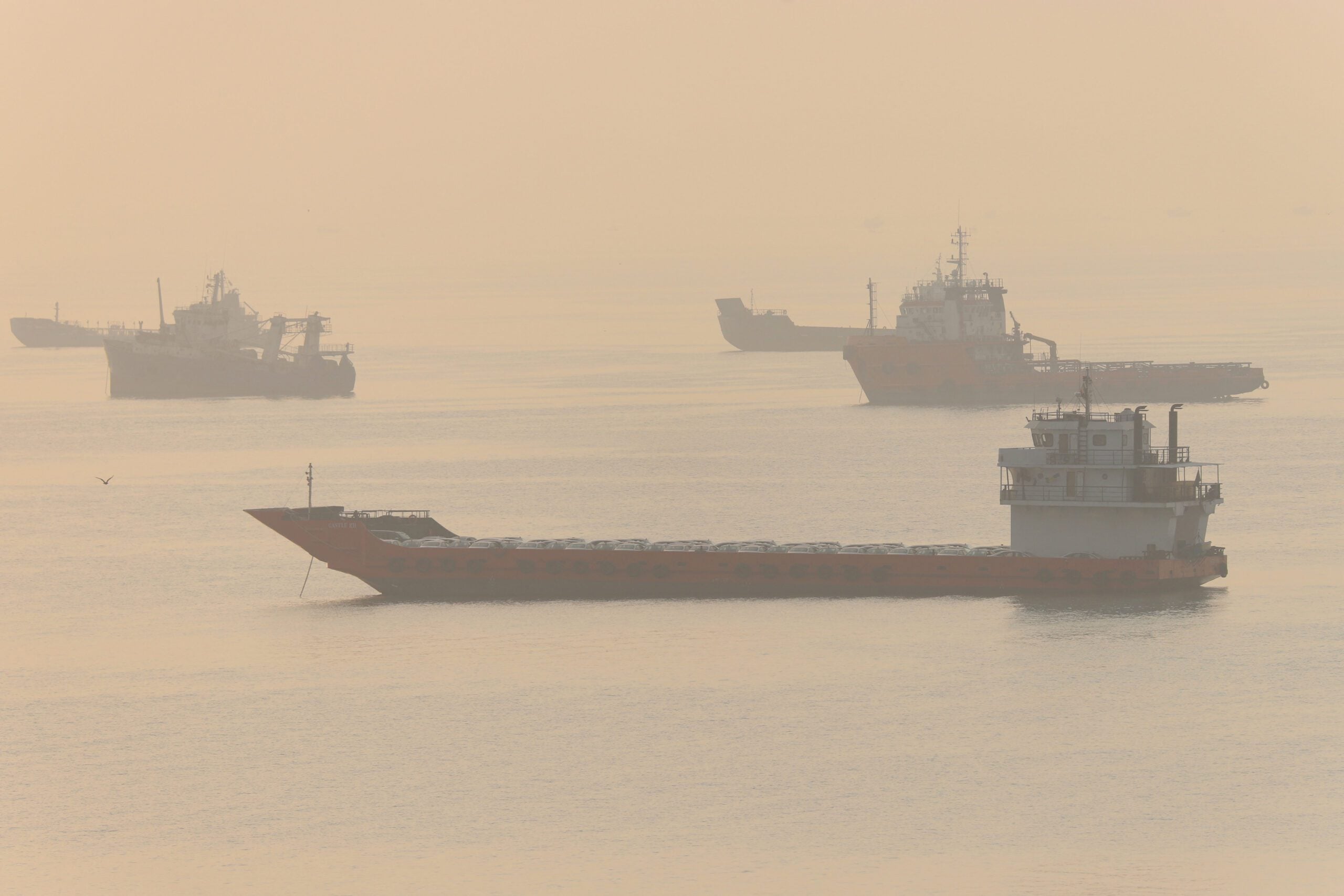
At sea, this has created a patchwork of behaviours that would have been unthinkable only months ago. Some vessels are delaying entry into the Gulf altogether, waiting for clearer security guarantees. Others are adjusting routes, speeds and timing to reduce exposure, while a small number are proceeding under carefully managed conditions, often backed by diplomatic engagement or informal assurances.
The result is a maritime environment defined less by clear rules and more by a complex interplay of risk management, political signalling and operational improvisation. For crews on board, the pressures are considerable. Navigating a narrow and congested waterway has always required precision and vigilance, but doing so under the threat of missile strikes, drone activity and electronic interference introduces a level of complexity that few seafarers have previously encountered.
The broader strategic picture is equally significant. Iran’s apparent approach reflects a long-standing asymmetric doctrine, not necessarily aimed at closing the strait outright, but at making its use uncertain, risky and politically contingent. By allowing limited passage under controlled conditions, Tehran can exert influence over global shipping flows without triggering the full legal and military consequences of a formal blockade.
For Western governments and naval forces, the challenge is how to respond to this evolving reality. Traditional convoy operations, similar to those used during the tanker wars of the 1980s, are being discussed but would be far more difficult to implement in today’s threat environment. Modern risks include long-range missiles, unmanned systems and the potential presence of naval mines, all of which complicate any attempt to guarantee safe passage.
Mine clearance, in particular, is emerging as a critical factor in any effort to restore normal shipping flows. Even a limited mine threat can effectively close a narrow shipping channel until it is cleared, a process that is slow, technically demanding and inherently dangerous. Preparations by Western navies to deploy autonomous mine countermeasure systems suggest that this phase of the response is now being taken seriously, though it remains in the preparatory stage rather than active execution.
For the maritime industry, however, the immediate concern is operational. Shipowners must decide whether to transit, delay or reroute, balancing commercial pressures against safety considerations. Charterers must assess whether cargoes can move at all, while insurers are recalibrating risk in real time.
The events of the past 24 hours have therefore provided both a glimpse of movement and a clear reminder of instability. Ships are passing through Hormuz again, but not in a way that suggests a return to normality. Instead, they are navigating a corridor that has been reshaped by conflict, where access is conditional and where every transit carries heightened risk.
For now, the Strait of Hormuz remains open in principle but constrained in practice. Whether the current trickle of vessels develops into a sustained flow or stalls under continued tension will depend on diplomacy, military developments and the willingness of the shipping industry to operate in an environment that remains far from secure.

 Join The Club