REUTERS/Stringer/File Photo
By Anthony DiPaola (Bloomberg) — Shippers hauling oil, food and consumer goods across the Middle East are grappling with the fallout from a diplomatic standoff between Qatar and its Persian Gulf neighbors that risks leaving vessels locked out of regional ports.
Abu Dhabi’s oil ports authority banned all vessels coming from or going to Qatar from using its facilities, a move in line with most other terminals in the United Arab Emirates. The port operator, which runs oil and refined product shipment terminals for government-owned Abu Dhabi National Oil Co., imposed the ban late Wednesday, according to a circular notice, reversing a decision made earlier that day to ease limits on non-Qatari vessels.
Saudi ports are applying restrictions in different ways, with some allowing ships to sail to Qatar, and others preventing vessels from leaving for the neighboring state, according to a shipping agent with knowledge of situation. King Abdullah Port on the Saudi Red Sea coast north of Jeddah banned all vessels sailing to or from Qatar from berthing at its facilities, said the shipping agent, who asked not to be identified because the information isn’t public. That’s a stricter measure than required by the Saudi Ports Authority, which only calls for harbors to block vessels owned by Qataris or carrying the nation’s flag.
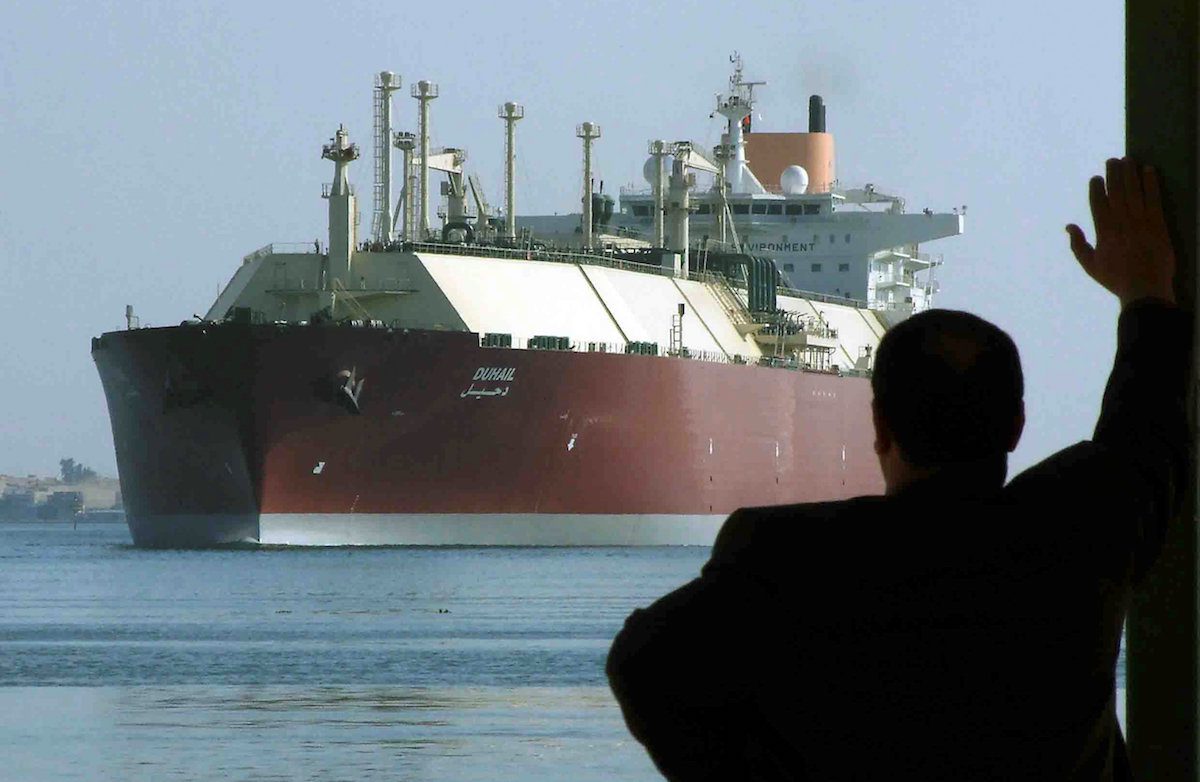
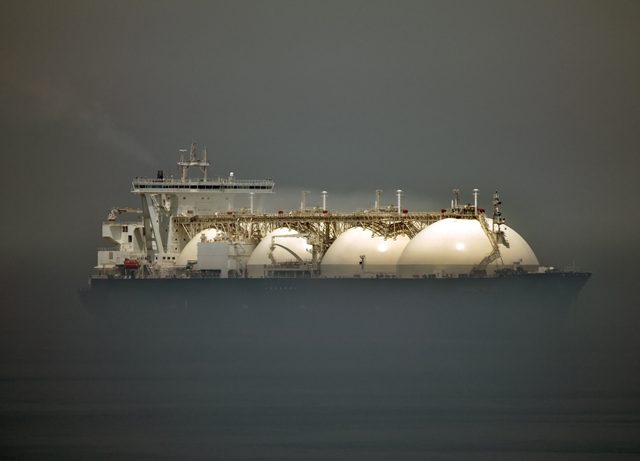
Saudi Arabia and the U.A.E. — two of OPEC’s largest oil producers — joined with Bahrain and Egypt in severing ties with Qatar Monday, citing the latter nation’s support for regional rival Iran and for extremist groups. Qatar, the world’s biggest exporter of liquefied natural gas, has called the claims baseless and has so far continued to ship its fuel globally and to allow natural gas to flow through a pipeline to the U.A.E.
“A major effect of the cut in diplomatic relationships with Qatar is likely to be felt in the shipping sector,” Facts Global Energy, a London-based consultant, said in a research note Thursday. Ships traveling to and from Qatar will need to find an alternate refueling port, and LNG shippers will have to adjust schedules and routes, it said. “This will increase costs, and in the near term, could even lead to delays in LNG deliveries.”
Crude Tankers
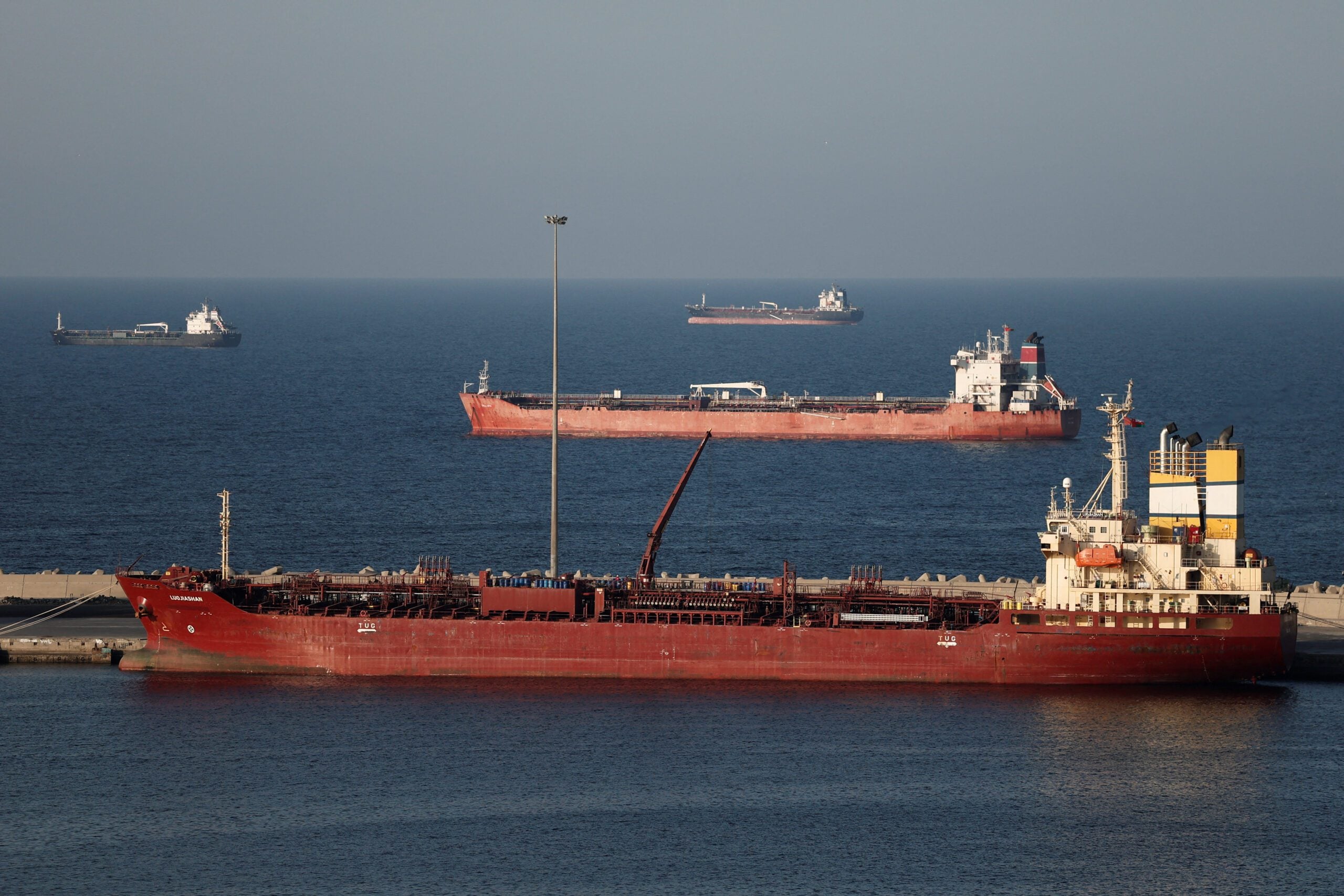
Qatar Petroleum’s trading unit may charter crude tankers to store condensate, a light crude oil it produces at its gas fields, according to four traders with knowledge of the situation. The vessels would store condensate because ports to which they would have delivered the fuel are closed to vessels from Qatar, said the traders who asked not to be identified since the information is confidential.
Abu Dhabi’s Adnoc and Dubai refiner Emirates National Oil Co. are both users of Qatar’s condensate, the traders said. ENOC this week offered cargoes of Qatari condensate for sale that it would have loaded later this month and in July, according to two separate traders.
Oil tankers typically load several blends of crude from different Gulf countries, a practice that risks being interrupted by the dispute. Some shipments have continued as normal.
The tanker Apollo Dream, which can carry about 2 million barrels of crude, loaded at an offshore terminal in Abu Dhabi on Wednesday after taking on fuel in Qatar on Tuesday, according to tanker-tracking data compiled by Bloomberg. The vessel was anchored outside Saudi Arabia’s Ras Tanura port on Thursday morning.
Another tanker, Asian Progress V, loaded crude from an offshore buoy at Ras Tanura Wednesday after taking on oil from Qatar’s Mesaieed terminal June 2, before the dispute broke out.
Other U.A.E. ports, including Jebel Ali, the region’s biggest container terminal, and the oil-trading hub at Fujairah, a major refueling point for all kinds of ships entering and leaving the Gulf, have prohibited vessels traveling to or from Qatar.
© 2017 Bloomberg L.P

 Join The Club