Hong Kong–based CK Hutchison Holdings said Friday it has intensified its legal response to Panama’s takeover of two key container terminals near the Panama Canal, escalating a dispute that has already drawn in major global shipping companies and geopolitical powers.
In a statement issued March 6, the company said it submitted a supplement to its previous notice of dispute against the Republic of Panama under an investment treaty, paving the way for potential international arbitration.
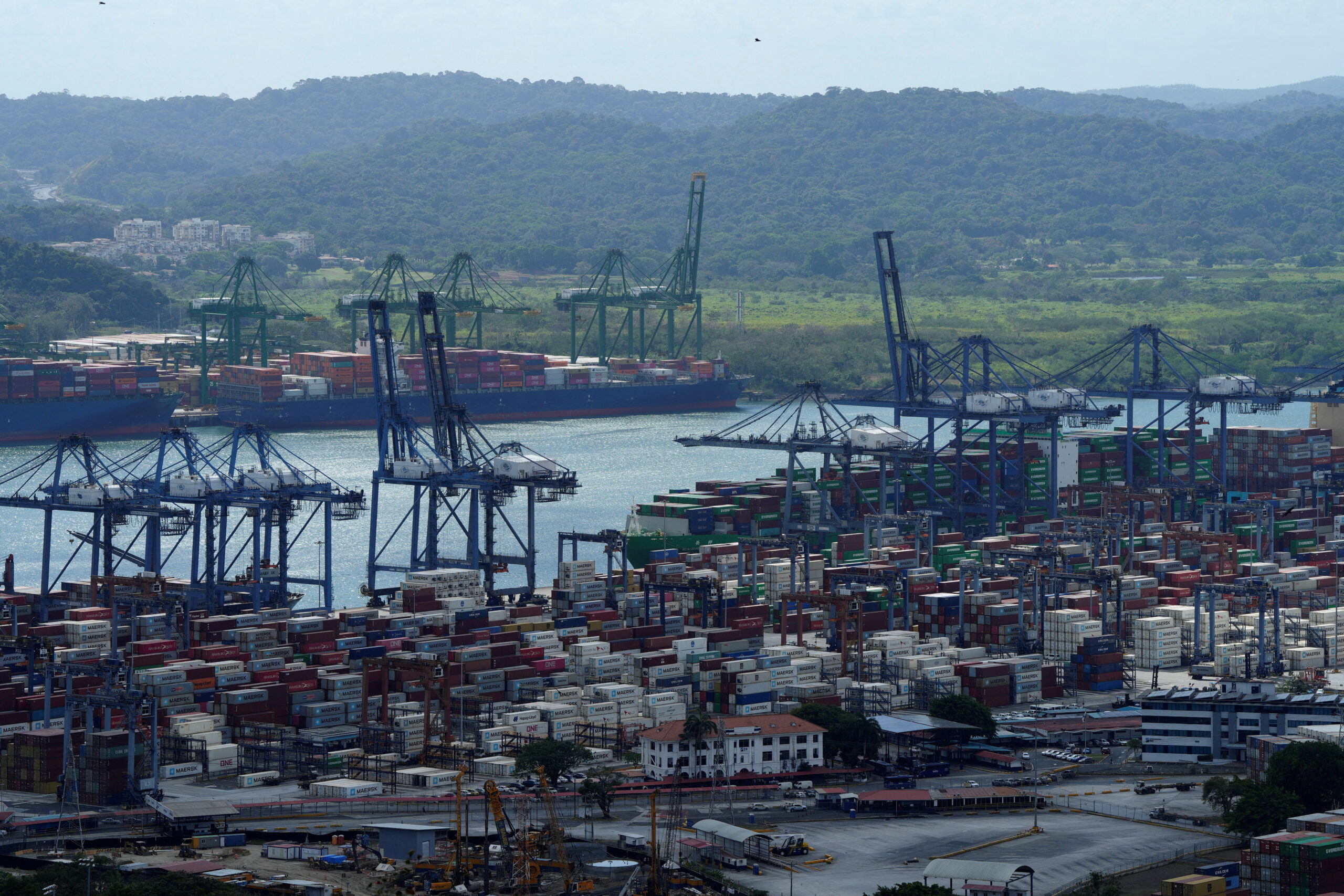
The dispute centers on the Panamanian government’s seizure of operations previously run by Panama Ports Company (PPC), Hutchison’s local subsidiary that operated the Balboa and Cristobal container terminals for nearly three decades.
“The State, without transparency, occupied the ports and took the property and personnel of PPC,” the company said in the statement, accusing Panama of disregarding communications and halting consultations while moving forward with the takeover.
The escalation comes after Panama formally canceled Hutchison’s port concessions earlier this year following a Supreme Court ruling that declared unconstitutional the legal framework underpinning the company’s 1997 concession agreements.
Once the decision was published in the country’s official gazette, the Panama Maritime Authority moved to assume control of the terminals to ensure uninterrupted operations.
The government subsequently installed new temporary operators for the strategic facilities flanking the canal. APM Terminals, the port operating arm of A.P. Moller – Maersk, took over operations at the Port of Balboa on the Pacific side, while Terminal Investment Limited, a subsidiary of Mediterranean Shipping Company, assumed control of the Cristobal terminal on the Atlantic side under temporary arrangements expected to last up to 18 months while Panama develops a new long-term concession framework.
Hutchison said its subsidiary Panama Ports Company has filed an administrative petition seeking reconsideration of Executive Decree No. 23, the executive action that enabled authorities to occupy the port facilities and seize company property.
The company also said PPC is challenging the confiscation of proprietary and legally protected documents and materials by the Panamanian government.
In addition to domestic legal filings, PPC previously initiated international arbitration proceedings under the rules of the International Chamber of Commerce, a process that could lead to significant financial claims.
CK Hutchison warned that Panama’s actions threaten the protections typically afforded to foreign investors under international investment agreements.
“The Company disagrees with the latest prejudicial conduct by the Panama State and will continue to assess with counsel and pursue recourse to available national and international legal proceedings,” the company said.
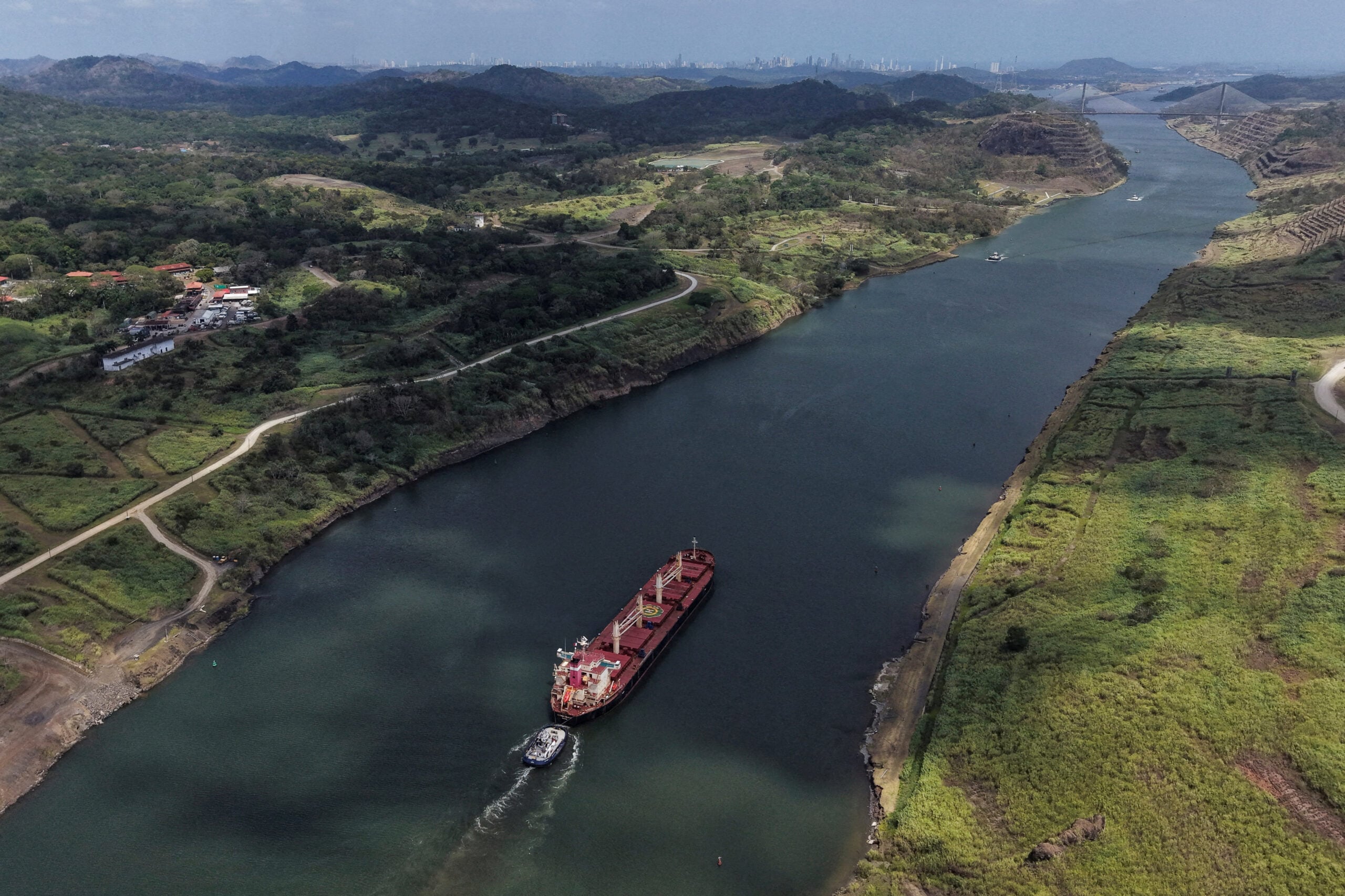
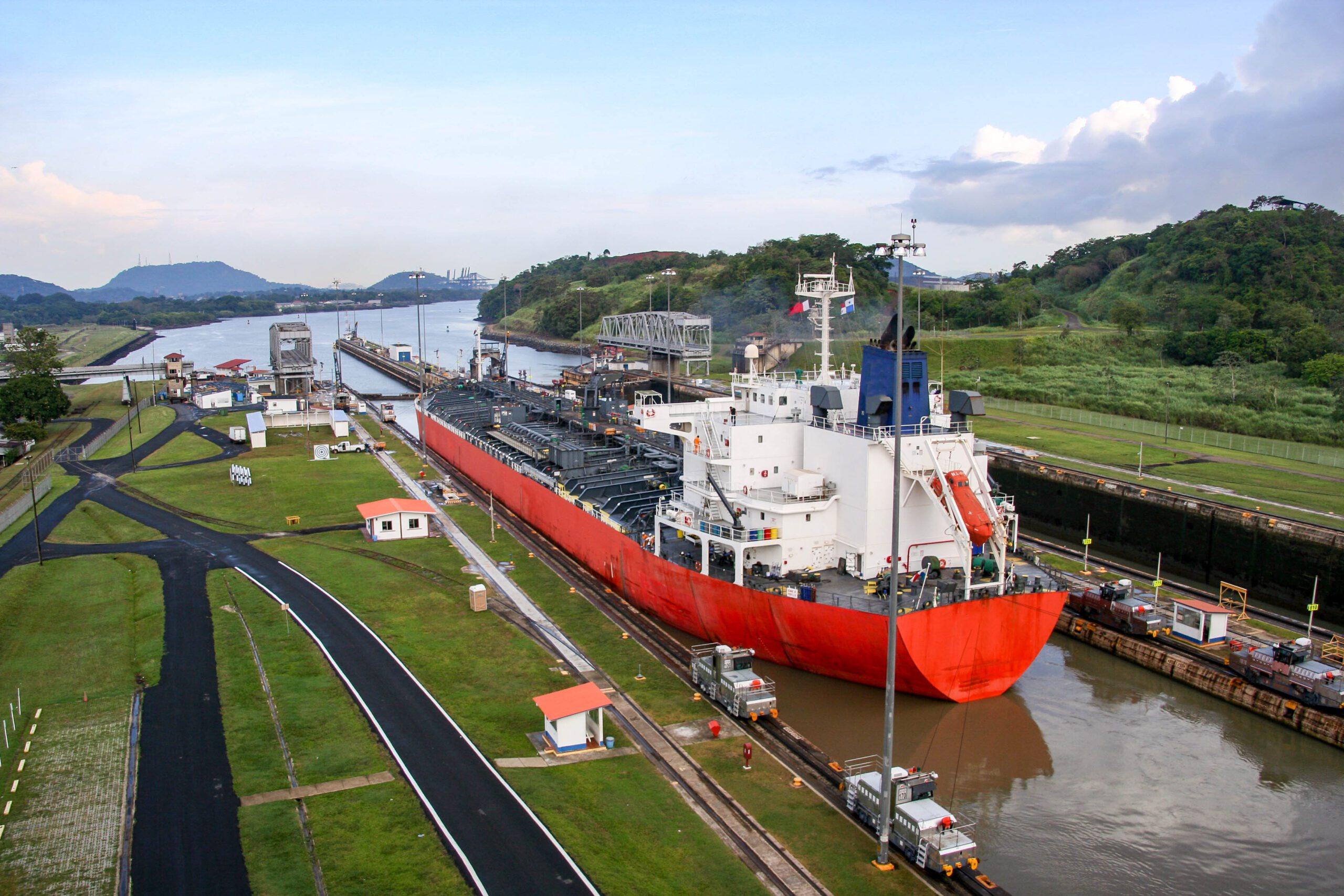
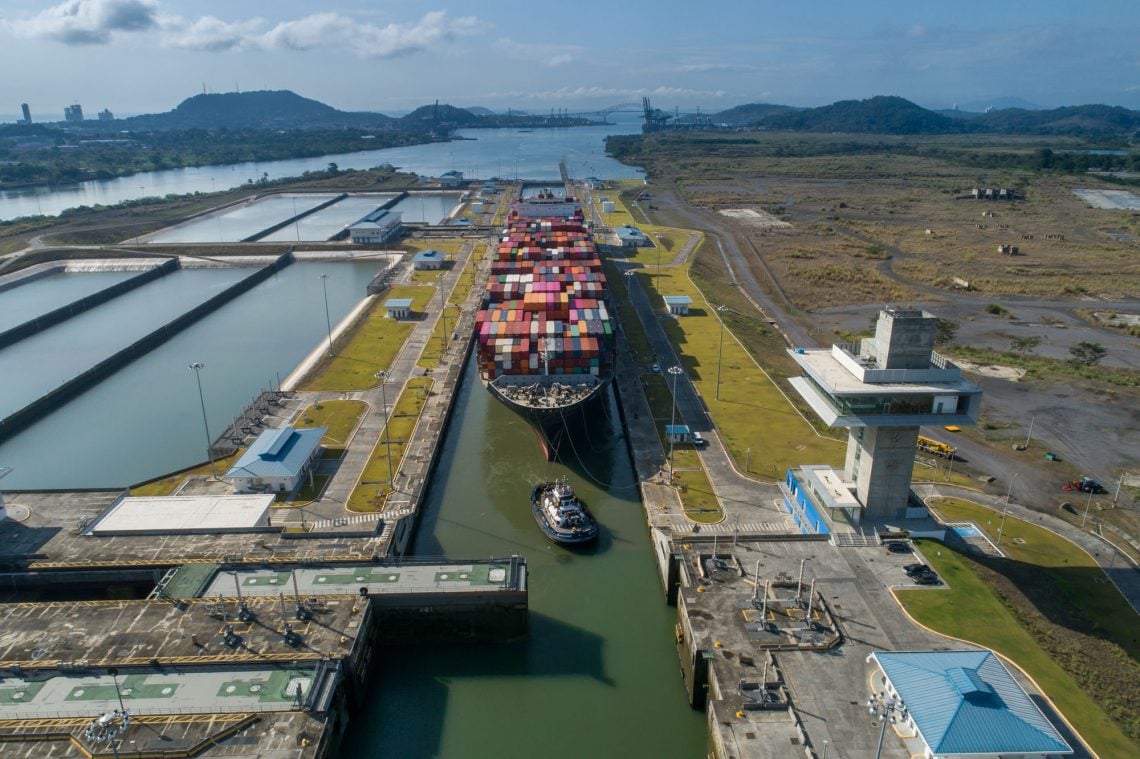
The legal fight has unfolded against the backdrop of intensifying geopolitical competition over control of critical maritime infrastructure around the Panama Canal, which carries roughly 5% of global maritime trade.
Officials in Washington have framed the removal of Hutchison—part of a Hong Kong–based conglomerate—as a strategic shift away from Chinese-linked influence near the canal. Meanwhile, authorities in Hong Kong and Beijing have criticized the ruling and warned of broader economic consequences.
For global shipping companies and cargo owners, the immediate priority remains maintaining the uninterrupted flow of containers through Balboa and Cristobal, two of the most important transshipment hubs linking Pacific and Atlantic trade lanes.
However, with arbitration proceedings underway and multiple legal challenges pending, the dispute could take some time to resolve and potentially carry significant financial and geopolitical ramifications for one of the world’s most strategic maritime chokepoints.

 Join The Club