There are moments when geopolitics feels distant from daily life. This is not one of them.
By Paul Morgan (gCaptain) – With confirmed US–Israeli strikes on Iran, renewed Houthi threat signalling in the Red Sea, and elevated instability across parts of the North Arabian Sea and Pakistan’s coastal flank, as well as the Russia – Ukraine conflict, the world’s maritime system is once again operating under simultaneous pressure. Two of the most critical corridors on the planet are under strain at the same time. That is not a theoretical modelling exercise for risk analysts. It is operational reality.
Around 80 per cent of international trade by volume moves by sea. Energy, grain, fertiliser, industrial components, medical supplies and consumer goods all depend on uninterrupted maritime flow. When shipping works, it is invisible. When it falters, consequences appear quickly, first in energy markets, then in food supply, then in industrial production. The link between conflict at sea and the price of bread or fuel is not emotional. It is mechanical.
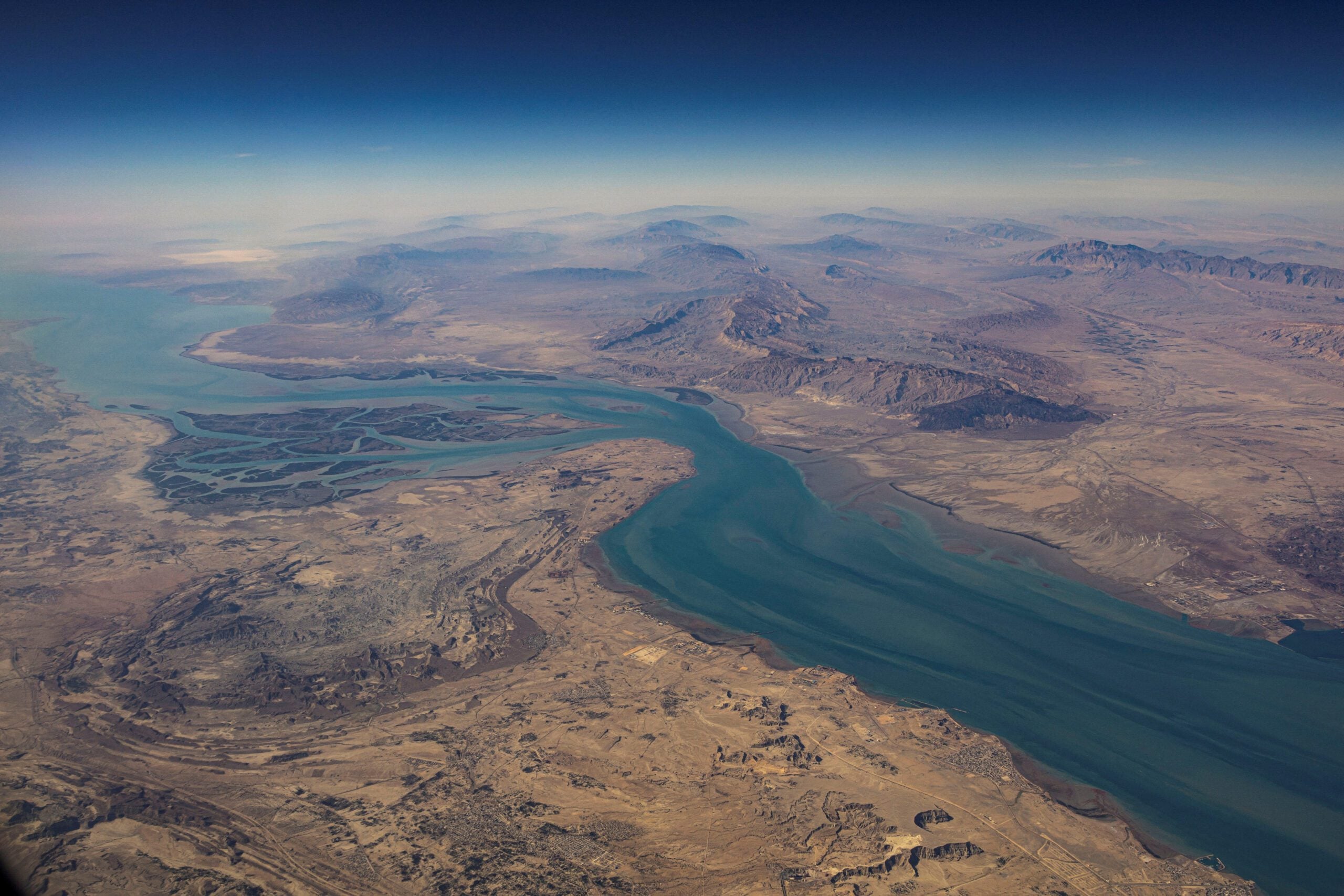
The Strait of Hormuz remains the focal point of that mechanism. Roughly a fifth of global oil consumption and a significant share of global LNG exports transit the narrow channel between Iran and Oman. There is no realistic maritime alternative. Pipelines can offset a fraction of volume; they cannot replace it.
Strip away politics and rhetoric, and the reason Iran occupies such a central position in strategic thinking becomes clear. It is not abstract ideology. It is geography.
Iran sits along the northern shore of Hormuz, directly adjacent to one of the world’s most critical energy arteries. Beyond the strait itself, it links the Middle East to Central Asia, borders the Caucasus, and faces the Indian Ocean. Land corridors, pipeline routes and maritime lanes intersect around it. Influence in that geography carries influence over energy flow and trade routes that reach far beyond the region.
When tension rises involving Iran, it is not a contained event. It radiates through shipping lanes that connect Gulf producers to Asian refiners, European utilities and global commodity markets. Markets respond not only to physical disruption, but to the perception of vulnerability in that corridor.
Following the 28 February strikes, that vulnerability moved from background risk to immediate operational concern. Reports emerged of Iranian Revolutionary Guard elements broadcasting warnings over VHF radio to vessels transiting the Strait. International law does not recognise unilateral closure of an international strait, but maritime traffic is influenced as much by perceived threat as by legal position.
Within hours, vessel behaviour shifted. Tankers slowed or stood off. Some reportedly altered course. Oil traders and majors were cited as suspending certain shipments pending clarification. Electronic interference affecting navigation systems was also reported in the region. GNSS and AIS disruption may appear technical, but in confined waters with dense commercial and military traffic, ambiguity increases risk. In a tense environment, miscalculation can be misinterpreted.
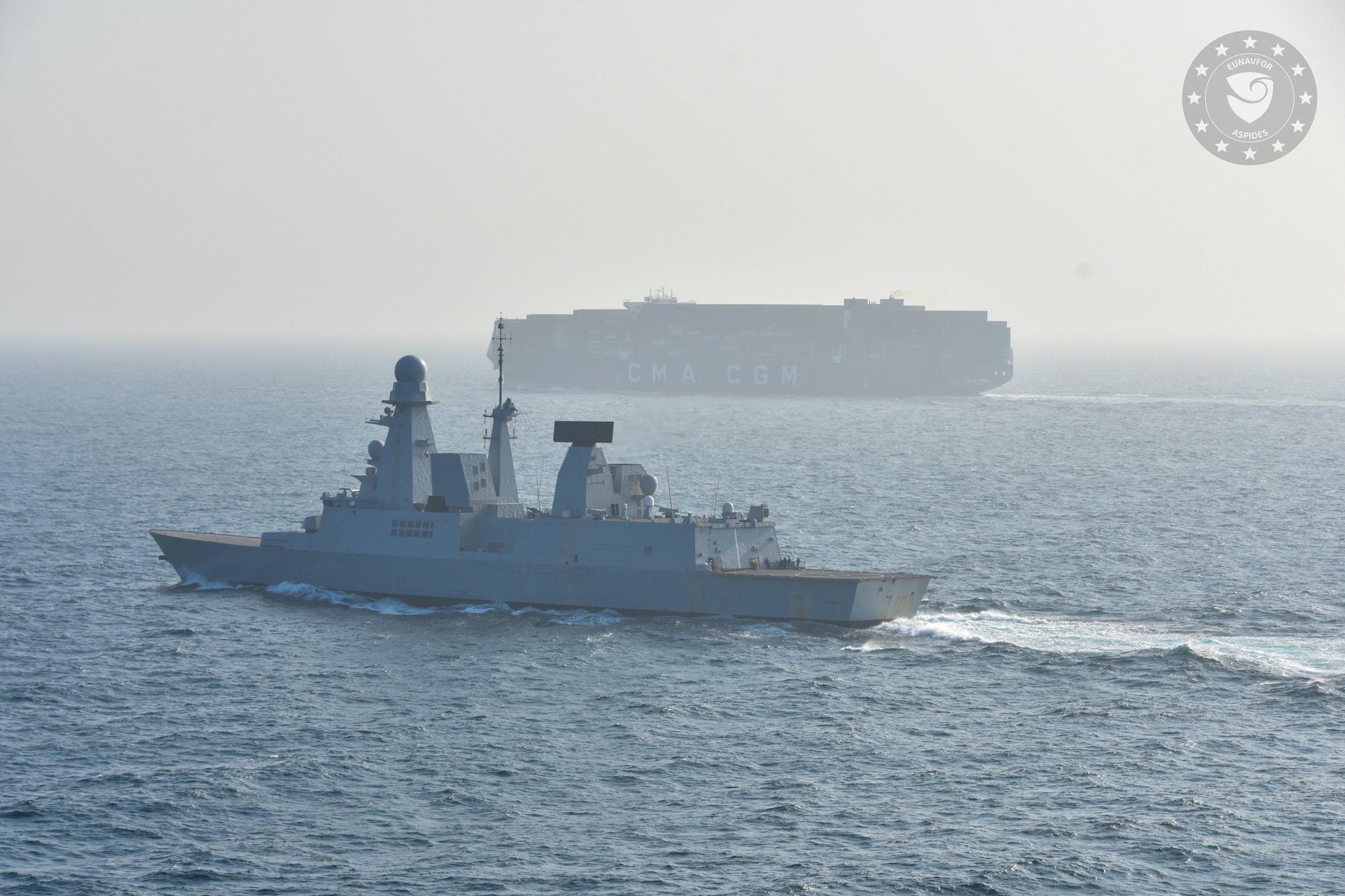
UK Maritime Trade Operations issued a verified advisory warning of significant military activity across the Arabian Gulf, Gulf of Oman and Strait of Hormuz, including the potential for interference with navigation and communications systems. Greece advised its flagged vessels to avoid high-risk Gulf areas. Such signals are closely watched by insurers and charterers.
Insurance often moves faster than diplomacy. War-risk underwriters were reported to be reassessing exposure and preparing for premium escalation. In previous Gulf crises, additional war-risk premiums have reached six-figure sums per voyage. When insurance tightens, voyages become commercially marginal. Charterers hesitate. Refiners hedge. The chain reaction from geopolitical tension to energy pricing runs directly through the insurance market.
Simultaneously, the Red Sea corridor faces renewed instability. Houthi officials signalled an intention to resume attacks on shipping in response to developments involving Iran. During the 2024–2025 campaign, missiles and drones struck commercial vessels. Major container lines diverted around the Cape of Good Hope. Crews were injured. Schedules collapsed.
When the Red Sea becomes unsafe for sustained commercial transit, the world effectively grows larger. Asia–Europe voyages via the Cape add ten to fourteen days compared to the Suez route, with of course associated cost to owners/charterers. Ships are tied up longer. Effective fleet capacity tightens. UN trade data previously documented how earlier Red Sea disruption reduced Suez Canal volumes sharply and structurally increased global ton-mile demand. That structural extension translates into higher freight, longer delivery times and additional fuel consumption even when global trade volumes remain constant.
Container carriers had been cautiously evaluating partial returns to Suez transits earlier this year. Those calculations are now under review again. Freight data had already shown rate increases on Asia–Middle East trades driven by security concerns alone. A renewed missile threat environment closes the door to meaningful normalisation.
Further east, Pakistan introduces a different layer of risk. More than 95 per cent of Pakistan’s trade is seaborne. Karachi is a major regional gateway. Gwadar carries strategic significance in regional infrastructure planning. Escalating militant violence in Balochistan and heightened national security measures add complexity along the Arabian Sea flank.
This is not equivalent to Hormuz in strategic weight, but instability in the general region and coastal infrastructure can affect logistics, insurance assessment and vessel call decisions. During previous Indo-Pakistani escalations, insurers elevated threat levels in the Eastern Arabian Sea and certain tanker owners declined calls. Charterparty disputes followed. Even when sea lanes remain open, perception reshapes commercial behaviour.
The defining feature of the present moment is simultaneity. Each theatre alone is manageable. Together they compress flexibility. Rerouting away from one corridor pushes tonnage into another already strained space. Insurance exposure aggregates across fleets trading multiple regions. Energy and container markets respond to cumulative risk, not isolated incidents.
Lost in the general market commentary is the human architecture that keeps global trade functioning. On the bridge of a VLCC approaching Hormuz, the master is not thinking about geopolitics in abstract terms. He or she is monitoring traffic separation schemes, assessing navigation integrity amid electronic interference, listening to VHF traffic, reviewing security advisories and balancing commercial pressure against crew safety.
Chief engineers calculate fuel margins for potential diversion. Company security officers coordinate with naval liaison centres and intelligence providers. Charterers renegotiate war-risk clauses. Brokers recalculate voyage economics. Port authorities adjust anchorage plans for vessels choosing to stand off rather than enter.
Shore leave is curtailed. Fatigue accumulates. Crews operate under sustained uncertainty. The resilience of the maritime system rests on professionals who rarely appear in headlines.
The burden of disruption is uneven. Wealthier economies absorb higher prices and longer transit times. Import-dependent states with limited reserves face tighter margins and increased vulnerability. When energy or grain shipments are delayed, it is not freight analysts who feel the first impact; it is consumers. Sea lanes remain open, energy continues to flow, and containers are still moving. But the margin for error has narrowed.
The indicators to watch are behavioural rather than rhetorical. Sustained tanker stand-offs near Fujairah, confirmed missile incidents against commercial vessels in the Red Sea; significant withdrawal or repricing of war-risk cover; instability affecting port operations in Karachi or Gwadar. These signals will determine whether the system absorbs the shock or begins to fracture under it.
Global shipping has repeatedly acted as the world’s shock absorber, through the Suez blockage, through pandemic congestion, through earlier Red Sea attacks. It has absorbed those shocks at cost.
What is different now is the compression of pressure across multiple chokepoints at once. Geography has placed key energy and trade arteries within reach of conflict. Shipping stands in that geography every day.
The world rarely notices the system until it falters. The people who keep ships moving operate in that space between risk and continuity. At moments like this, their role is not peripheral to global stability. It is central.
Editorial Standards · Corrections · About gCaptain

 Join The Club