A small fleet of Chinese cargo has set out from shipyards near Shanghai attempting to deliver a critically-needed power plant to Russia’s Arctic before winter. With just days left before the Northern Sea Route shuts down to vessels with no or low ice-classes, the convoy may run out of time and ice-free waters.
Originally, Western turbines were intended to drive the liquefaction process. But following the exit of American company Baker Hughes, the project’s majority owner Novatek, was forced to redesign parts of the plant to be electrically driven. Its Chinese partners provided the technology solution.
The onshore power plant was built at Wison New Energies’ Zhoushan yard between the end of 2022 and the summer of 2024. It was loaded aboard three heavy lift vessels – Ocean 28, Hunter Star, and Nan Feng Zhi Xing – in recent weeks.
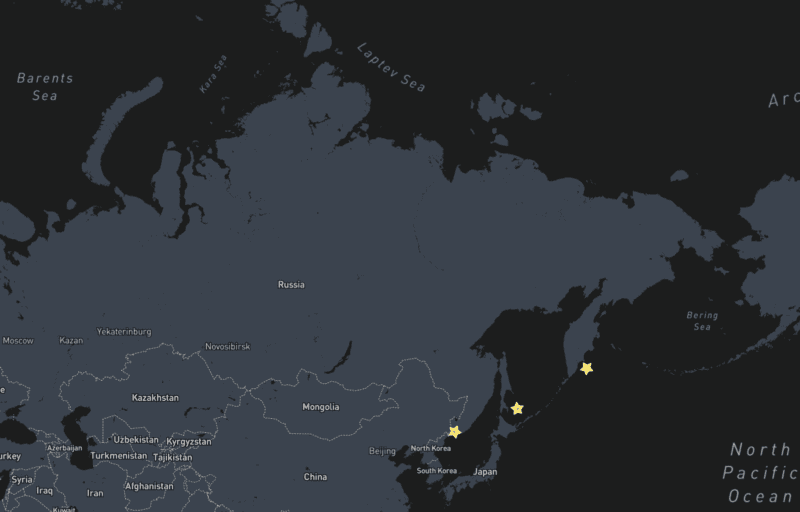
Ocean 28, Nan Feng Zhi Xing and Hunter Star departed from Eastern China between September 23-28. After refueling stops in Vladivostok, where Hunter Star currently remains, the ships are inching toward the Bering Strait at between 9-11 knots.
Ocean 28, Nan Feng Zhi Xing and Hunter Star en route to the Arctic. (Source: Shipatlas)
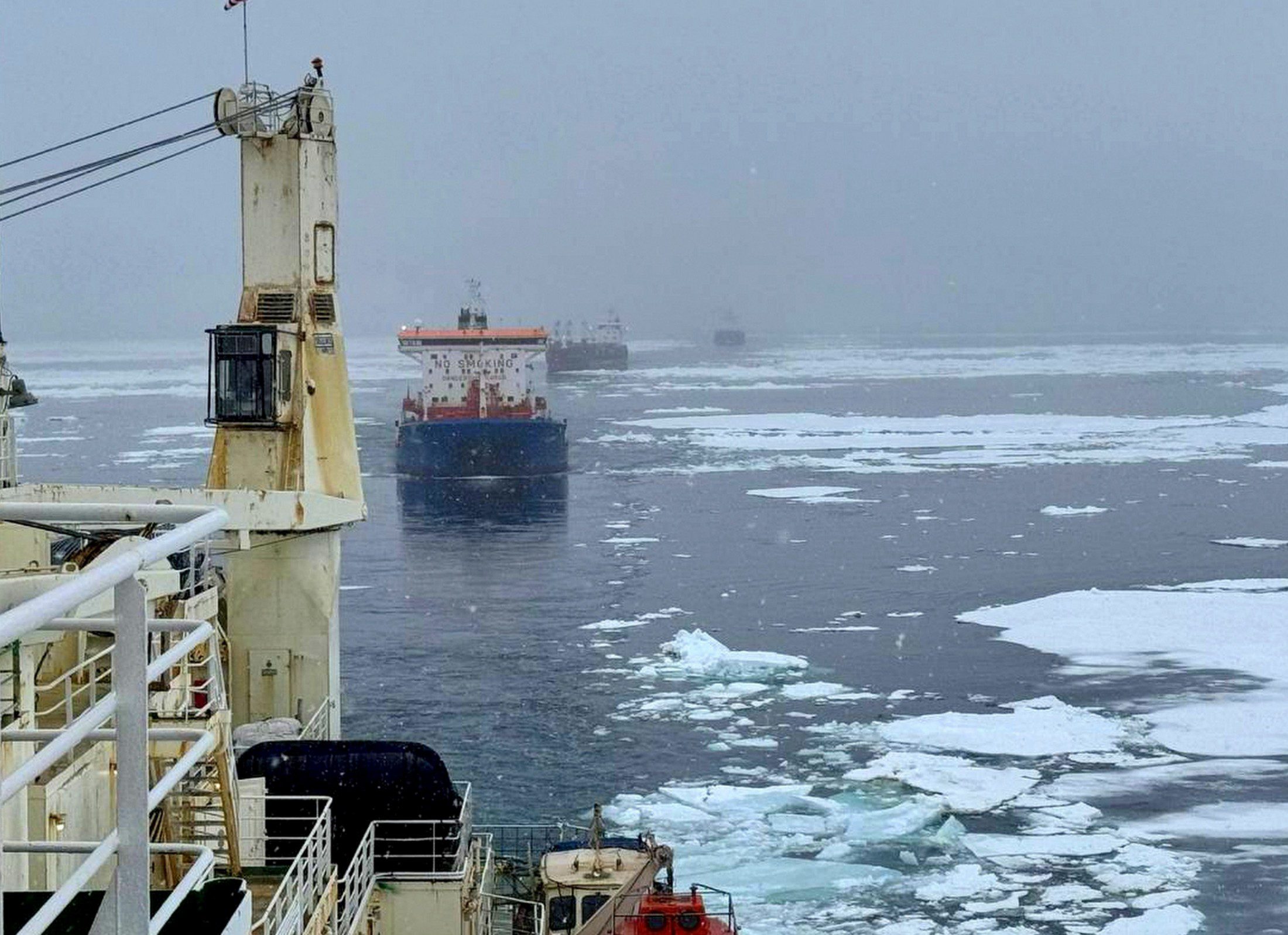
Especially for the no ice-class Ocean 28 the legal navigation window is rapidly closing. At current speeds the vessel’s journey to Arctic LNG 2 will last another 3 weeks, almost certainly taking it into ice-covered waters as winter arrives.
Russia’s Northern Sea Route administration announced that vessels without ice-class have to vacate the route by October 10. Though with its strategically important cargo Ocean 28 will likely be given any assistance required to assure it reaches its destination. Russia’s nuclear icebreaker fleet is currently gearing up to begin its winter mission to keep shipping lanes open.
The situation is similar for Hunter Star and Nan Feng Zhi Xing, both possessing only light Ice1 protection. While this extends their window until October 20 it is unlikely sufficient to reach the LNG project.
Industry insiders speculate that Wison may react in similar fashion this time in an effort to avoid sanctions and to not jeopardize its contracts and cooperations with Western partners.
The number of shadow-fleet vessels carrying Russian oil and LNG through the Northern Sea Route has surged this summer, according to a new analysis by the Bellona Environmental Transparency Center, raising concerns about the ability to respond to accidents in one of the world's most remote shipping environments.
A new U.S. sanctions law could put the specialized fleet that keeps Russia’s Yamal LNG project operating in the Arctic under unprecedented pressure, potentially forcing European shipping companies and service providers to confront sanctions exposure months earlier than expected.
Russia has conducted two dark ship-to-ship (STS) transfers involving oil cargoes that traveled through the Northern Sea Route, highlighting the increasingly complex logistics being used to move Russian crude to Asian markets via the Arctic.
September 10, 2026
Total Views: 2498
Get The Industry’s Go-To News
Subscribe to gCaptain Daily and stay informed with the latest global maritime and offshore news
— just like 107,122 professionals
Secure Your Spot
on the gCaptain Crew
Stay informed with the latest maritime and offshore news, delivered daily straight to your inbox
— trusted by our 107,122 members
Your Gateway to the Maritime World!
Essential news coupled with the finest maritime content sourced from across the globe.

 Join The Club