China’s corn self-sufficiency could fall to 93% by 2018 and to 90% by 2020, according to an executive in the corn division at state grain trading firm China National Cereals, Oils and Foodstuffs Corporation (“COFCO”). Founded in 1952, COFCO Group is China’s largest food processing, manufacturer and trader. Currently, China strives for 95% self-sufficiency on corn. As recent as 2010, China, the world’s biggest consumer of grains, believe it could remain self-sufficient in corn, wheat and other cereals, stated Zeng Liying, deputy director of the State Administration of Grain.
This is the third time in recent months that a Chinese official has indicated the country will rely more on corn imports moving forward. Earlier this month, China’s Agricultural Minister said the country will need to boost corn imports to meet growing demand needs. The Head of Rural Development at China’s Development and Research Center the Agricultural Minister’s comments by stating the country could tweak its grain security strategy by lowering the self-sufficiency rate for corn.
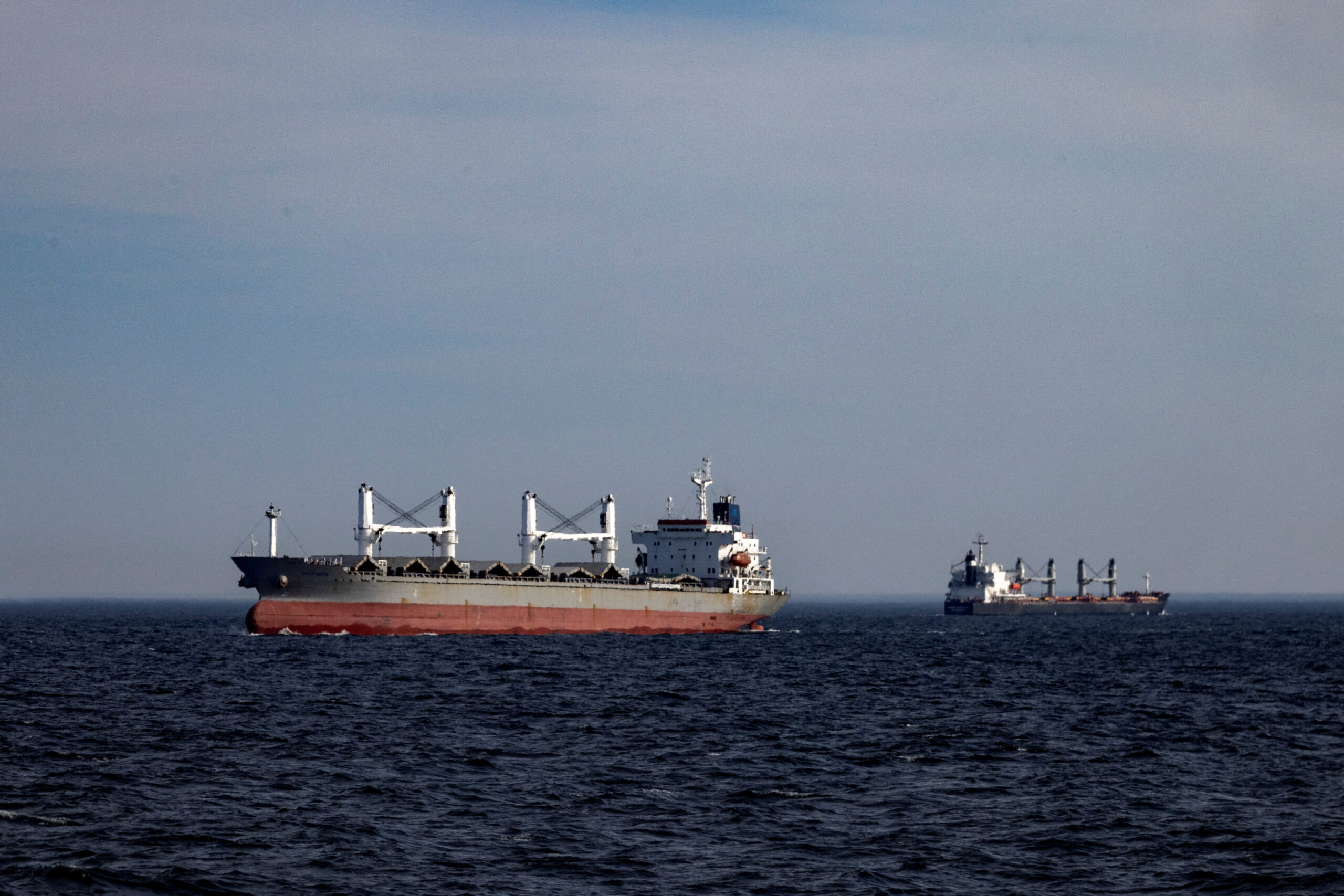
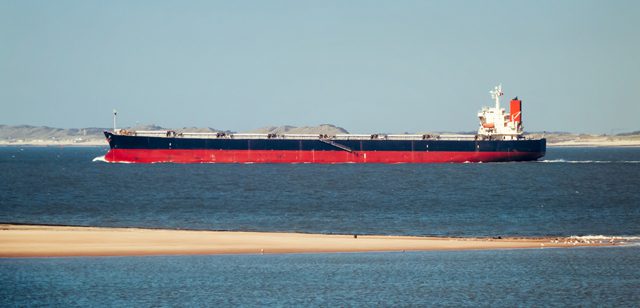
A lack of grain self-sufficiency is positive for the dry bulk shipping, in particular the Panamax fleet, the shipping sector workhorse for grain movements. While Chinese GDP growth has slowed to 7.5% to 7% and may slow further, increased calorie and protein intake is causing increased demand for grains. This is a positive factor for a shipping industry, which may begin to offset a demand/supply imbalance exists and is expected to remain for years to come.
Jay Goodgal can be reached at [email protected]

 Join The Club