Don’t Miss Your Daily Briefing for the Maritime Industry
Join the leading maritime news network
— trusted by our 106,659 members
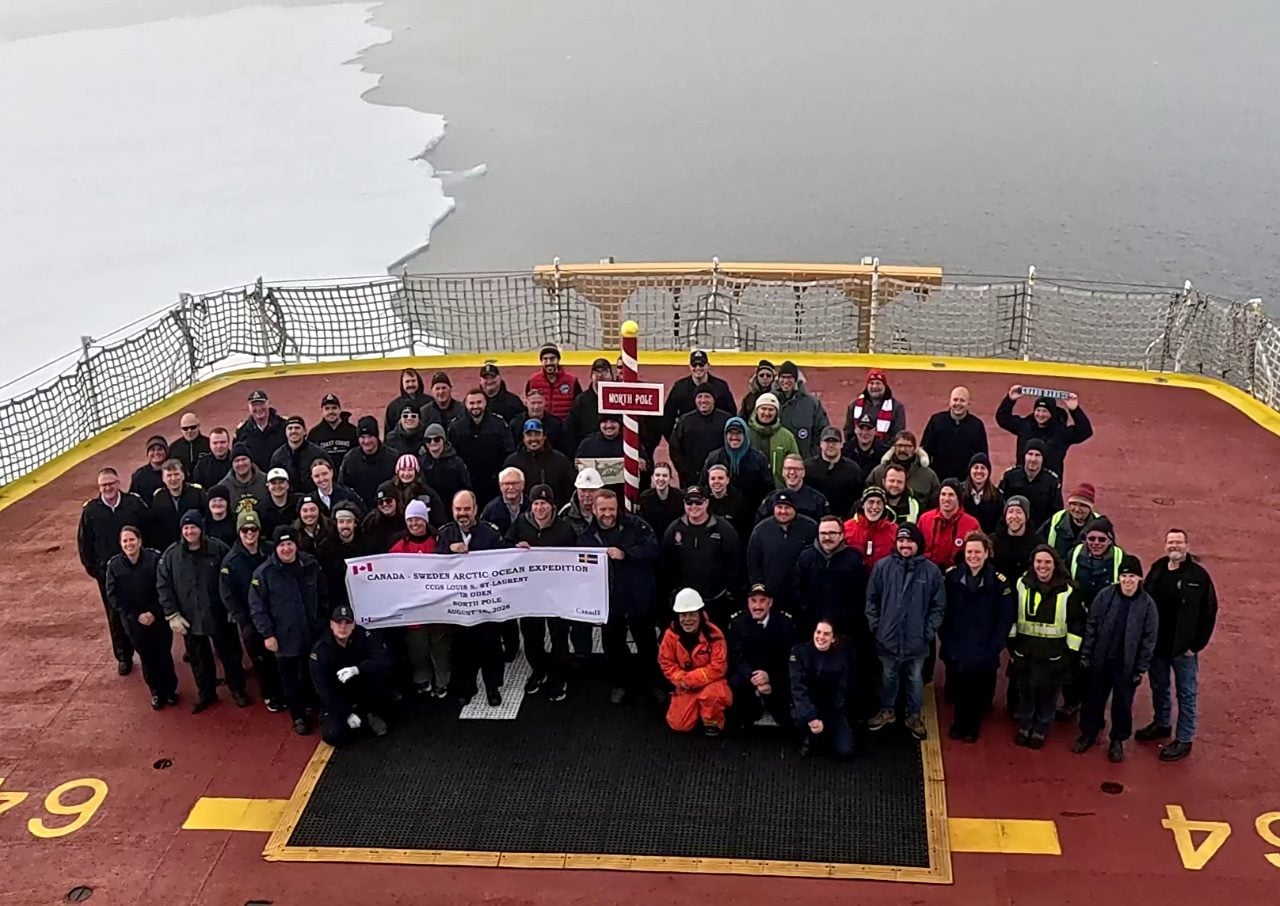
The Canadian Coast Guard Ship Louis S. St-Laurent arrived at the North Pole on August 16 during its 2026 Arctic deployment, according to Canada’s Department of National Defence and Canadian Coast Guard.
Canada’s Most Powerful Icebreaker Reaches North Pole
Canada’s largest and most powerful icebreaker has reached the North Pole as part of a multi-year effort to map the country’s continental shelf and reinforce its presence in the Arctic.
The Canadian Coast Guard Ship Louis S. St-Laurent arrived at the North Pole on August 16 during its 2026 Arctic deployment, according to Canada’s Department of National Defence and Canadian Coast Guard.
The voyage is part of ongoing missions supporting Natural Resources Canada and Fisheries and Oceans Canada to collect high-resolution geoscience and hydrographic data across the Arctic.
The work is intended to help Canada define the outer limits of its continental shelf under the United Nations Convention on the Law of the Sea, or UNCLOS, which provides the legal framework for countries to establish rights over seabed resources beyond their 200-nautical-mile exclusive economic zones under certain conditions.
The current series of Arctic missions runs from 2024 through 2027.
“The arrival of CCGS Louis S. St-Laurent at the North Pole is an important milestone that reflects Canada’s enduring commitment to the Arctic,” said Defence Minister David J. McGuinty. “Supported by the expertise of Canadian Coast Guard personnel, this mission advances scientific knowledge, strengthens our presence in the North, and reinforces Canada’s sovereignty and security.”
The voyage comes as Canada places growing emphasis on Arctic security and sovereignty amid increasing geopolitical competition in the region and changing sea-ice conditions that are making parts of the Arctic more accessible to shipping and other activity.
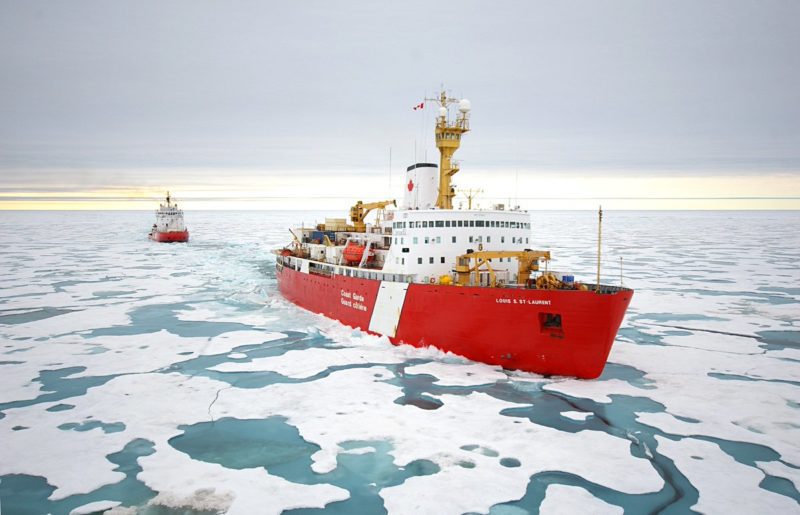
The Canadian Coast Guard’s heavy icebreaker CCGS Louis S. St-Laurent. Photo courtesy Canadian Coast Guard
CCGS Louis S. St-Laurent is a heavy icebreaker and the largest vessel in the Canadian Coast Guard’s current icebreaking fleet. The ship has played a central role in Canada’s Arctic scientific programs, including previous missions to gather seabed and geological data supporting the country’s continental shelf claims.
Canadian Coast Guard Commissioner Kevin Brosseau said reaching the North Pole also demonstrated the operational capabilities needed to work in the region’s demanding conditions.
“Reaching the North Pole reflects the professionalism and dedication of the crew of CCGS Louis S. St-Laurent and everyone who supports our Arctic operations,” Brosseau said. “Our icebreakers enable the Canadian Coast Guard to operate safely and effectively in Canada’s Arctic, supporting northern communities, scientific research, and Government of Canada priorities across the North.”
Canada’s annual summer Arctic operational season generally runs from June through November. During that period, Coast Guard icebreakers support northern communities, conduct scientific missions and provide services to vessels operating in Arctic waters.
The Louis S. St-Laurent is approaching the latter years of a career stretching back more than five decades. The vessel entered service in 1969 and has undergone several major upgrades during its operational life.
Canada is undertaking a major renewal of its icebreaking fleet, including construction of new polar icebreakers intended to provide greater capability and a more sustained presence in the Arctic as the Louis S. St-Laurent and other aging vessels are eventually retired.
The government said the North Pole mission demonstrates Canada’s ability to operate in remote Arctic waters while advancing scientific research, continental shelf mapping and broader national interests in the region.
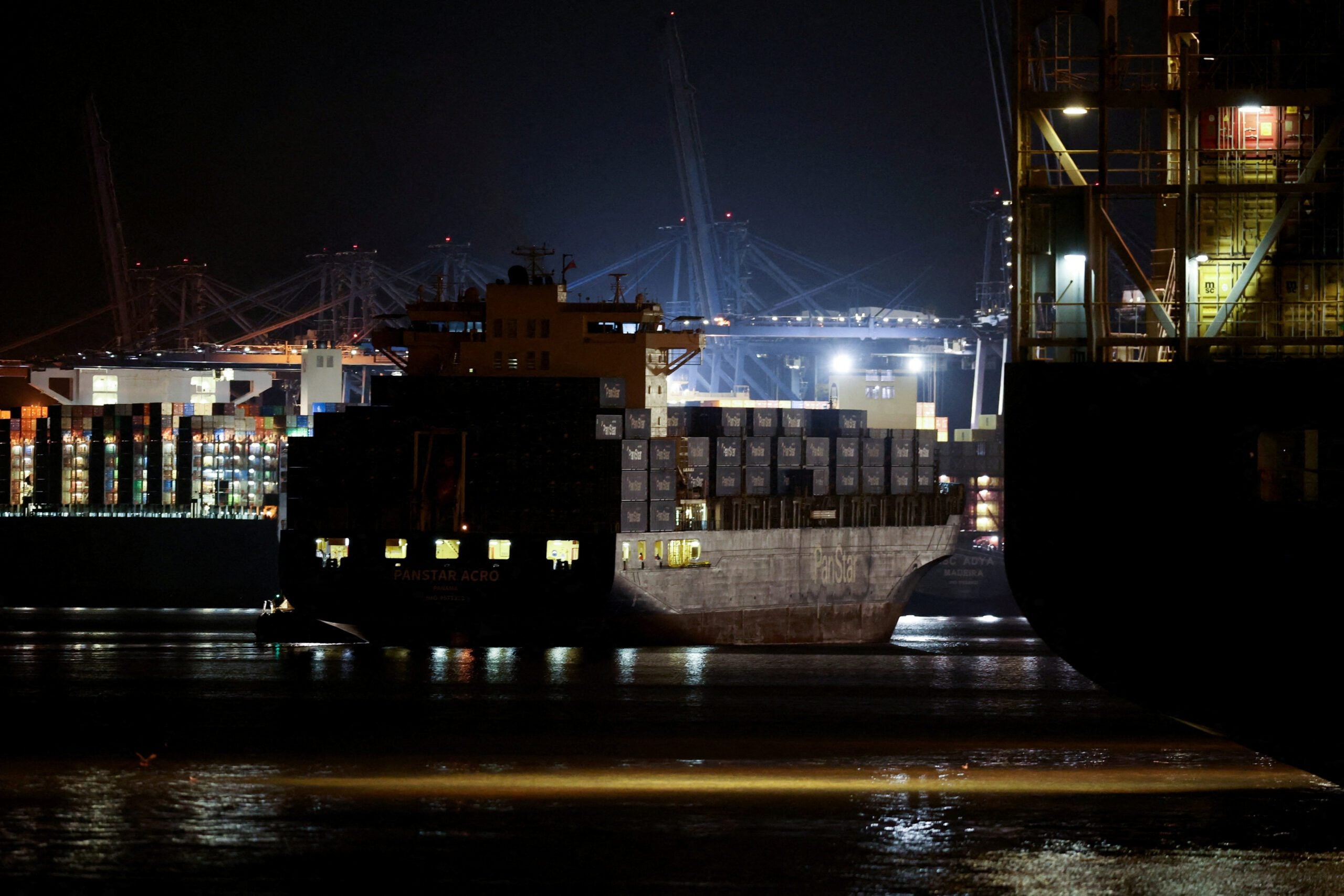
South Korean President Lee Jae Myung welcomed the PanStar Acro and its crew home on Tuesday after the container ship completed the country’s first round-trip commercial trial through the Arctic to Europe, hailing the voyage as a potential alternative to traditional shipping lanes even as questions remain over commercial viability and cooperation with Russia.
By Joyce Lee SEOUL, Oct 11 (Reuters) – A South Korean container ship completed the country’s first commercial round trip to Europe via the Arctic on Sunday, as authorities bank on the...
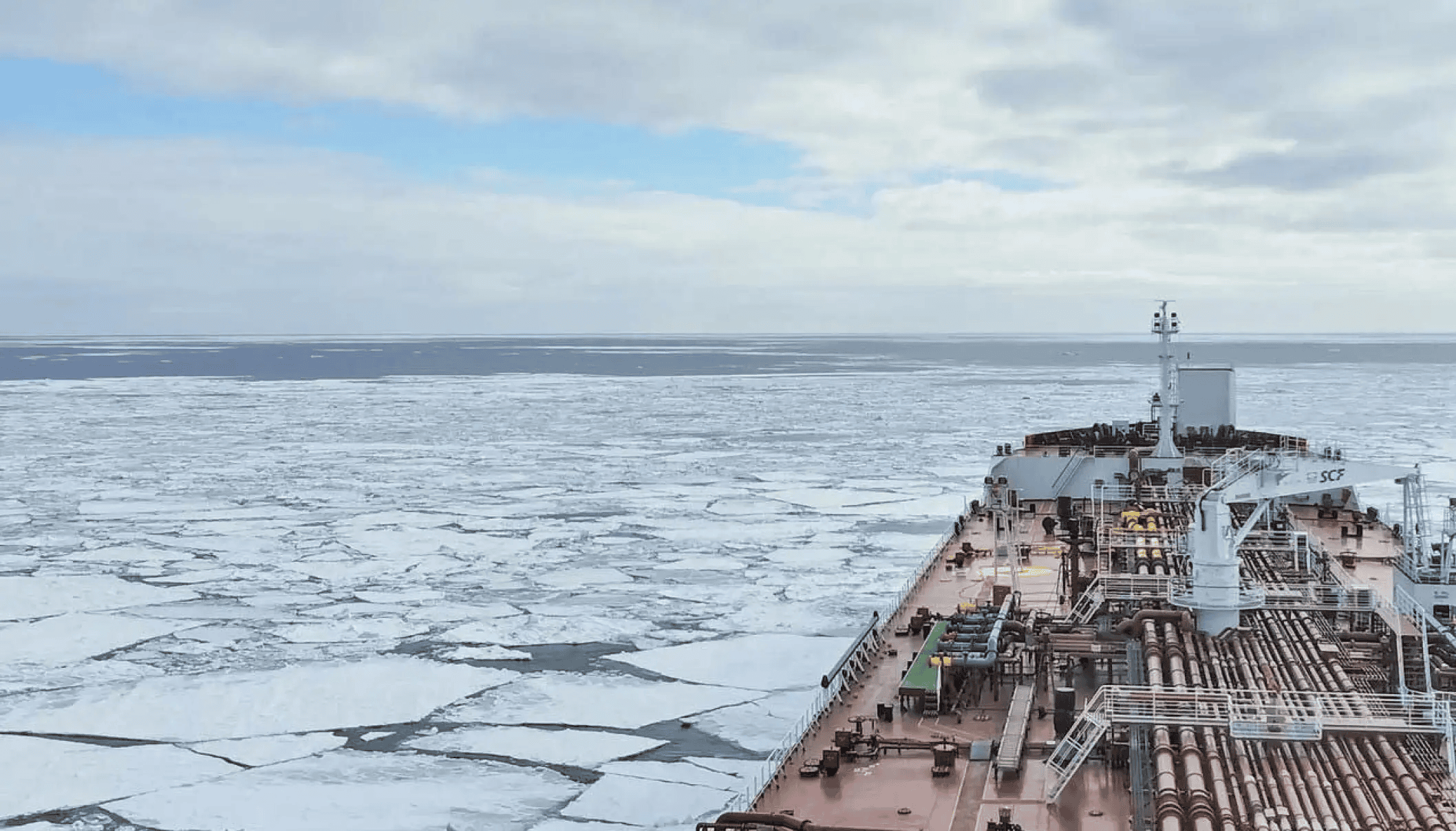
A 22-year-old product tanker sanctioned by the European Union is making an unusual late-season voyage along Russia's Northern Sea Route, highlighting the growing use of older, lower-specification vessels to move petroleum products through the Arctic.
October 7, 2026
Total Views: 1730
Get The Industry’s Go-To News
Subscribe to gCaptain Daily and stay informed with the latest global maritime and offshore news
— just like 106,659 professionals
Secure Your Spot
on the gCaptain Crew
Stay informed with the latest maritime and offshore news, delivered daily straight to your inbox
— trusted by our 106,659 members
Your Gateway to the Maritime World!
Essential news coupled with the finest maritime content sourced from across the globe.

 Join The Club