By Weilun Soon
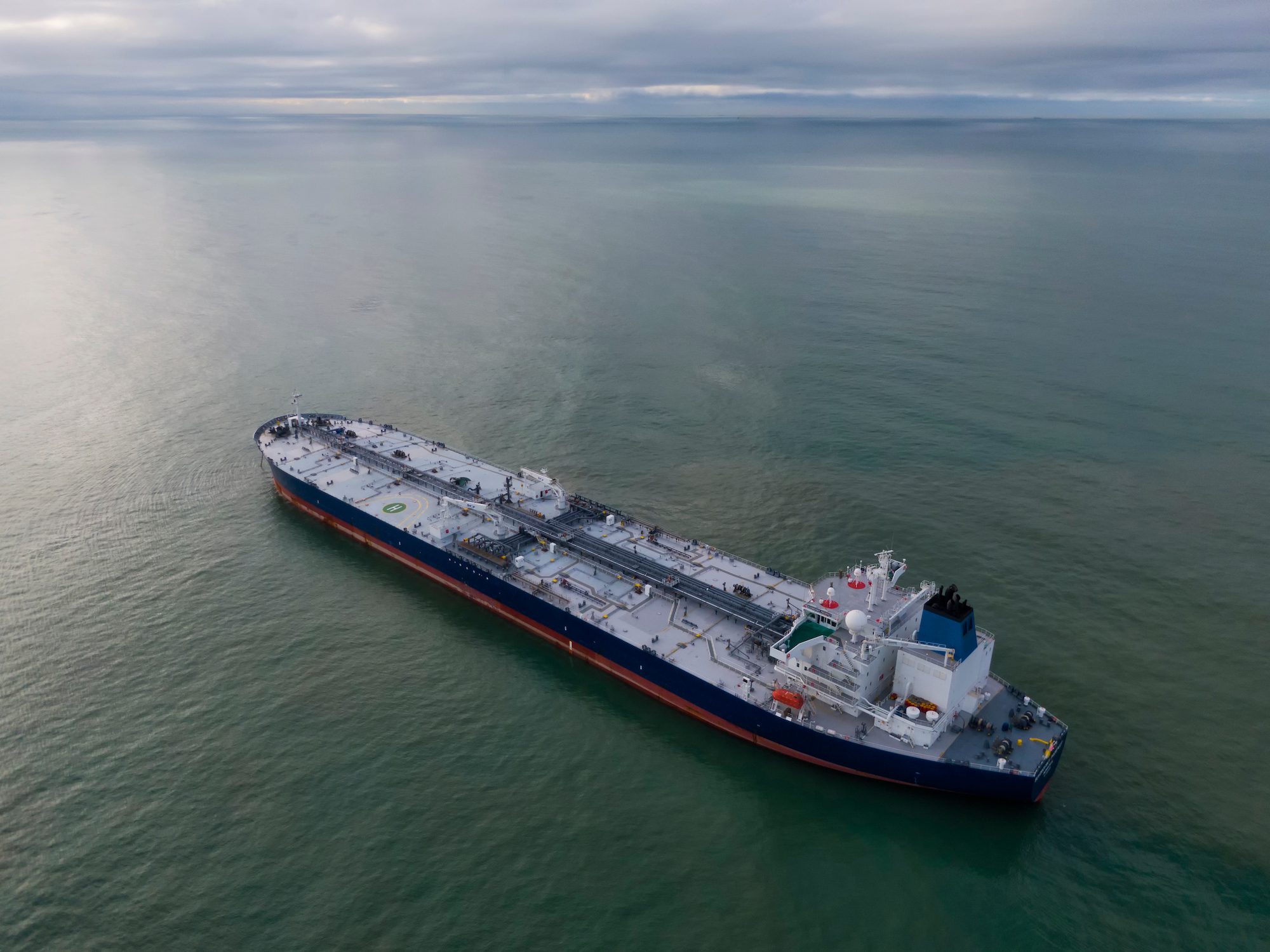
Aug 18, 2026 (Bloomberg) –Earnings for a supertanker procuring crude oil from within the Persian Gulf to Asia are nearing a two-month high, as exporters hunt for more vessels to deliver the fuel via the Strait of Hormuz even as the security situation remains uncertain.
Assessed earnings for the Middle East-to-China route jumped to nearly $510,000 a day on Monday, the highest since late June, according to data from the Baltic Exchange, when Iran resumed striking several ships transiting the strait. Separately, a very large crude carrier, the Mongolia Prosperity, is set to load crude from an unnamed Persian Gulf port for delivery to east Asia at $31 million for the voyage, or 570 Worldscale points, according to shipping fixture reports and shipbrokers.
Benchmark earnings for supertankers, assessed by the Baltic Exchange, tend to reflect market trades and pricing trends, although Bloomberg News couldn’t determine whether reports about the Mongolia Prosperity may have influenced the review.
The earnings increase, and the booking of the VLCC, come as exporters in the Persian Gulf seek more vessels to deliver the abundant crude barrels they promised to Asian buyers. Major OPEC+ producer Saudi Arabia is offering prompt deliveries from within the gulf, while Iraq is tapping the United Arab Emirates’ national exporter to move barrels. Abu Dhabi National Oil Co. is already a prolific trader that has built a system for shuttling barrels out via Hormuz, at times with the help of South Korean shipowner Sinokor Group.
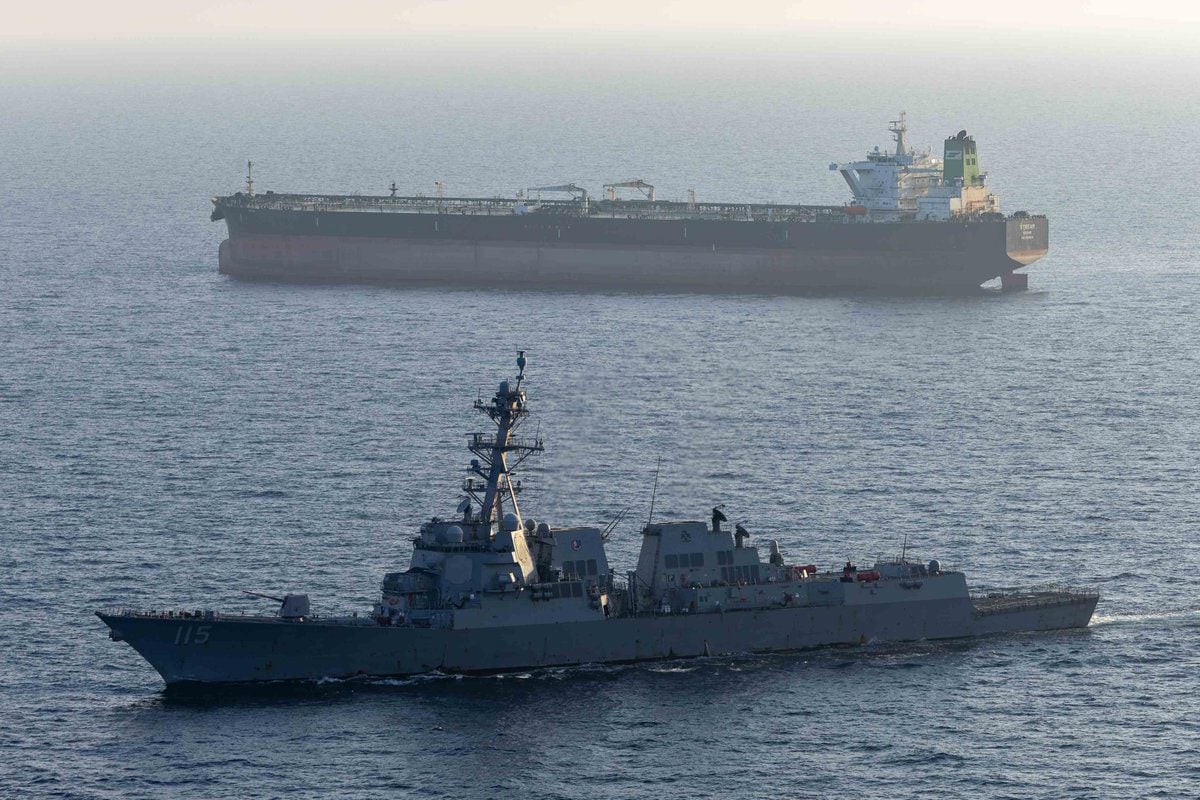
A fragile 60-day ceasefire agreement between Iran and the US ended on Monday, with no known plans between Tehran and Washington to resolve competing claims over the strait. For much of the war, the two sides have asserted authority over maritime traffic through the chokepoint. That, in turn, has meant that only risk-tolerant shipowners, or those who have previous experience in dangerous transits, can still provide cargoes within the Persian Gulf for crude loadings.
Several supertankers were privately booked in recent days, with vessels disappearing from lists showing available tonnage without publicizing whether a deal may have been reached, shipbrokers say. Many of the voyages starting from within the gulf involve ships that are controlled by exporters, or a small number of tanker owners, including those from Sinokor, giving them leverage in negotiating prompt rates. With little publicly available information on the route to China, assessing the primary benchmark for supertanker earnings is becoming more complicated.
Sinokor did not immediately respond to an emailed request for comment.
Mongolia Prosperity, operated by Sinokor, was booked by the shipping arm of a Chinese refiner to lift crude oil from within the Persian Gulf on Aug. 21. The charterer is expected to pay for the additional war-risk insurance premium, which currently stands at about high single-digit percentages of the vessel’s hull value, the fixture said.
© 2026 Bloomberg L.P.

 Join The Club