Russia expects to begin regular year-round eastbound shipping along the Northern Sea Route in early 2027, as additional nuclear icebreaker capacity, newer ice-class LNG carriers and pressure to redirect energy exports toward Asia bring the long-delayed ambition closer to reality.
Vladimir Panov, head of the Arctic Directorate at state nuclear corporation Rosatom, said that preparations for regular winter voyages were in their final stages. The planned start will coincide with one of Russia’s largest shippers beginning regular eastbound deliveries, he said, without identifying the company.
Panov pointed to Novatek’s substantial LNG shipments along the route, as well as the start of oil exports from Rosneft’s Vostok Oil project. Six voyages carrying Vostok Oil cargoes have already been completed, he said.
“[The Northern Sea Route] is one step away from regular shipments in the eastern direction, that is, one step away from year-round navigation,” Panov said, adding that Rosatom expects the transition to take place in early 2027.
The timing would be significant for Novatek, Russia’s largest LNG producer. From Jan. 1, 2027, the European Union’s ban on Russian LNG imports under long-term contracts is scheduled to take effect, increasing the incentive to direct cargoes toward Asian buyers. Regular eastbound shipments would allow the company to move more LNG from its Arctic production facilities toward Asia without relying exclusively on seasonal navigation windows.
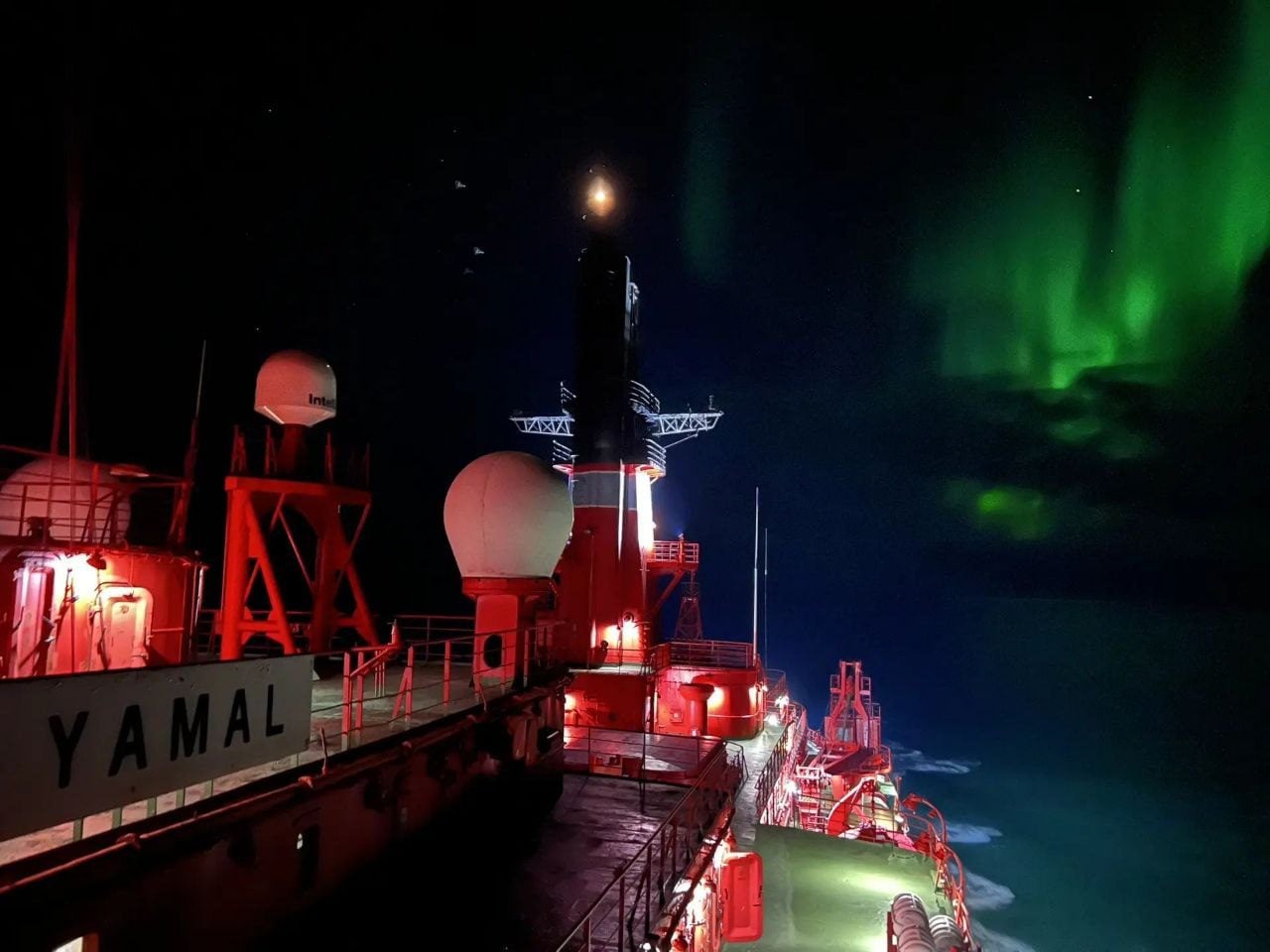
Russia is also expanding its icebreaker fleet. The nuclear-powered Chukotka, the fourth serial Project 22220 icebreaker, is scheduled to enter service in early 2027, bringing the total number of operational nuclear icebreakers to nine, according to Panov.
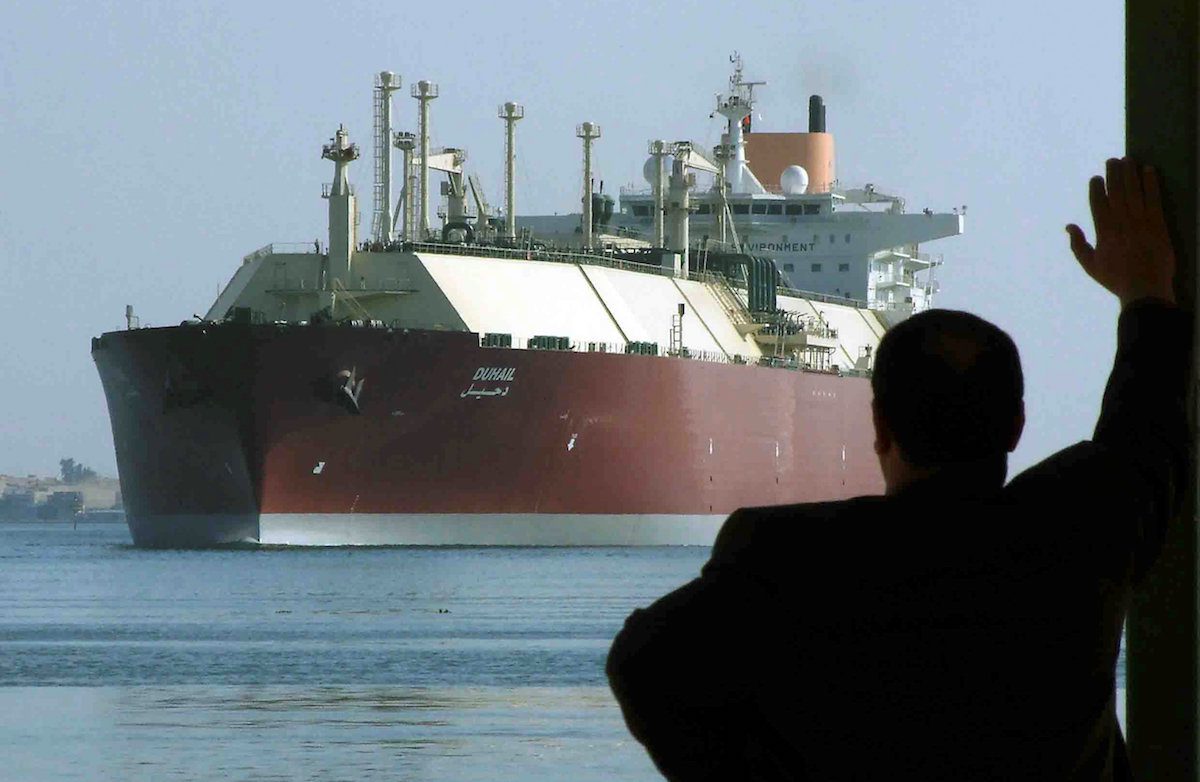
The additional capacity would complement a growing fleet of Arc7 ice-class LNG carriers, including newer-generation vessels designed for demanding winter conditions. Russia’s Zvezda shipyard has delivered two 2nd generation Arc7 gas carriers optimized for winter navigation.
Winter navigation along the NSR is not new. In January 2021, Novatek sent several Arc7 LNG carriers through the eastern route, including Christophe de Margerie and Nikolay Yevgenov. While the former completed its passage without reported issues, Nikolay Yevgenov suffered damage to one of its three azimuth propulsion units near the Bering Strait, illustrating the mechanical risks associated with winter ice navigation.
Further trials demonstrated that winter exports were technically possible. In December 2022 and January 2023, the Arc7 carrier Vladimir Voronin completed a round trip between the Yamal LNG terminal at Sabetta and China in 42 days, with nuclear icebreaker support during parts of the voyage. Arc7 carriers have also made late-spring voyages in May and early June. However, the most difficult late-winter period, particularly March and April, has remained a significant operational challenge.
Russia previously aimed to establish year-round eastbound navigation in early 2024, with Rosatom and Novatek announcing the plan in 2023. The proposed regular service did not materialize as scheduled, despite the successful trial voyages and changes to navigation rules that expanded the periods during which Arc7 vessels could sail independently.
The conditions are now more favorable in several respects. Additional Project 22220 icebreakers are entering service, newer Arc7 vessels offer improved winter capabilities, and the loss of access to the EU market for Russian LNG under long-term contracts creates a stronger commercial incentive to develop winter routes.
Yet the technical and logistical constraints remain. Panov acknowledged that increasing convoy speeds is a priority and that Russia must continue expanding emergency-response, communications and medical infrastructure along the route.

 Join The Club