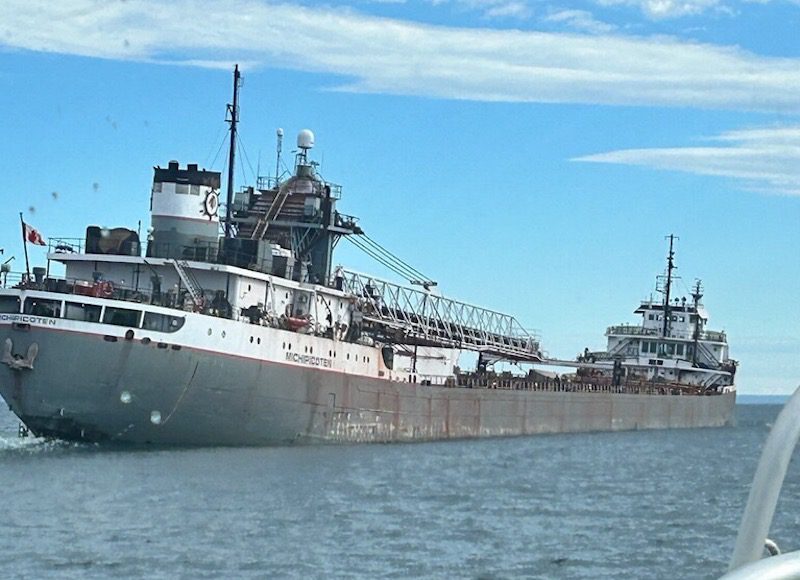
The Canadian-flagged M/V Michipicoten, a 689-foot bulk carrier carrying taconite, was safely escorted to Thunder Bay, Ontario, after experiencing significant flooding in Lake Superior on Saturday.
The distress call was received by the U.S. Coast Guard Sector Northern Great Lakes at about 7 a.m. The crew of Michipicoten, comprising 22 individuals, reported an unexpected collision with an underwater object, which caused the vessel to take on water.
The initial reports said the vessel listing to starboard by as much as 15 degrees, prompting fears that the ship could capsize. However, thanks to the onboard pumps, the list was reduced to 5 degrees, minimizing the risk of capsize.
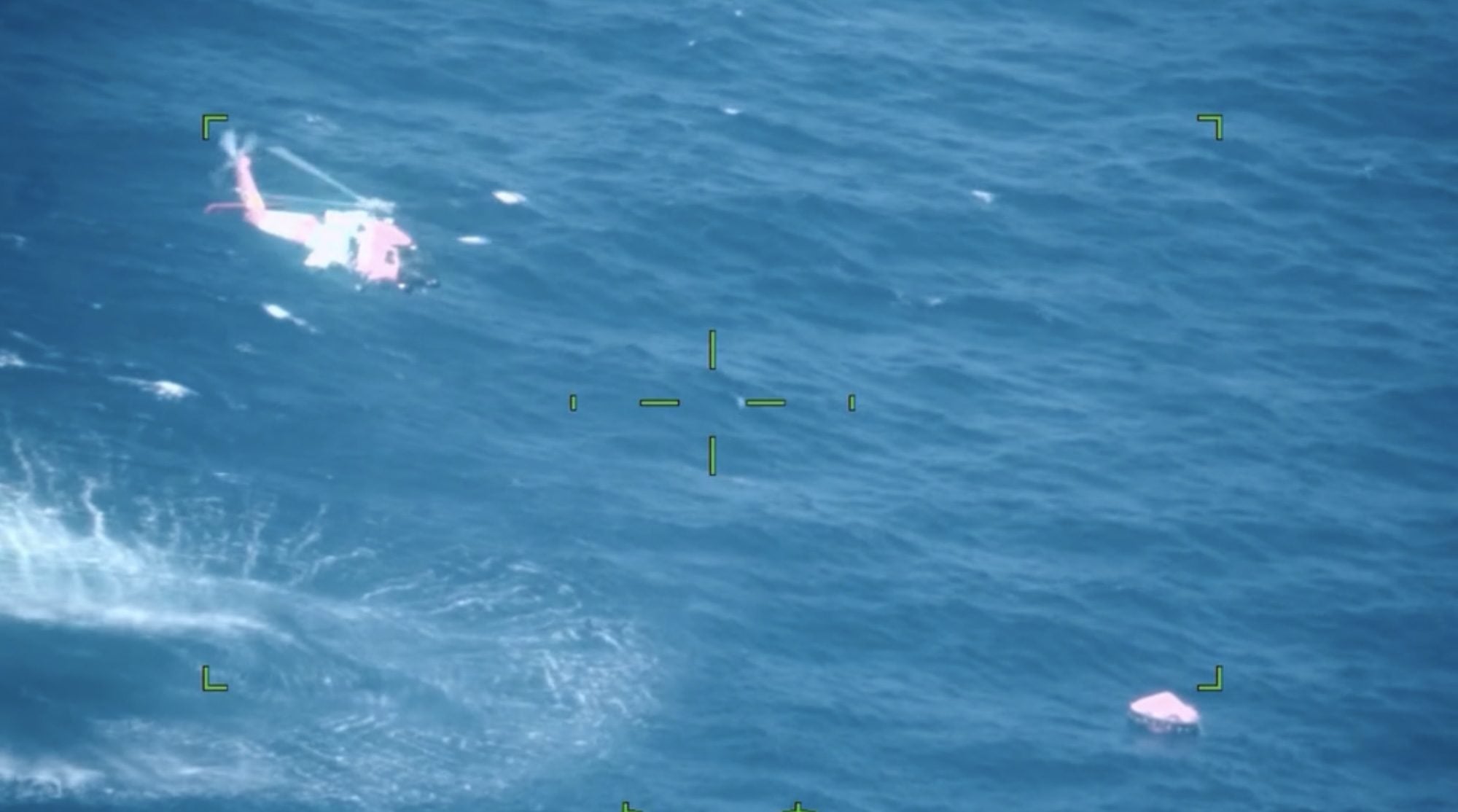
The U.S. Coast Guard, in coordination with the National Park Service, responded to the situation. Two helicopters from Air Station Traverse City and a response boat from Station Bayfield were dispatched to the scene.
In an effort to ensure crew safety, 11 out of the 22 crew members were transferred from the Michipicoten to a National Park Service boat from Isle Royale.
Despite the severity of the situation, there were no reported injuries among the crew.
The U.S. Coast Guard has since been released from the scene and remains in close communication with their Canadian counterparts. An investigation into the cause of the flooding and potential additional damage to the bulk carrier is underway.
The M/V Manitowoc, a River Class vessel self-unloading freighter, was built in 1973. It was purchased by Rand Logistics in 2008 and is operated by Rand subsidiary Grand River Navigation Company.

 Join The Club