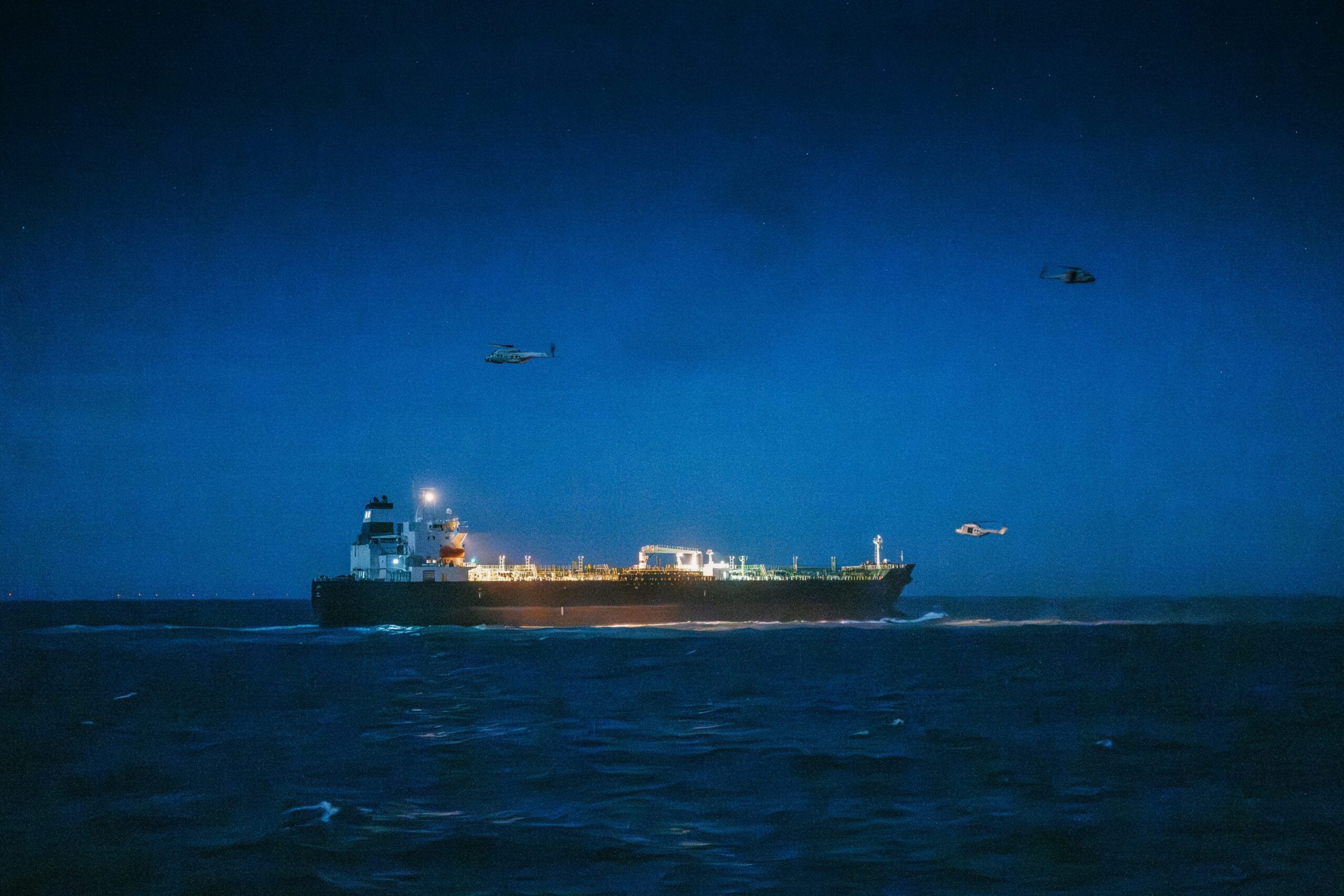
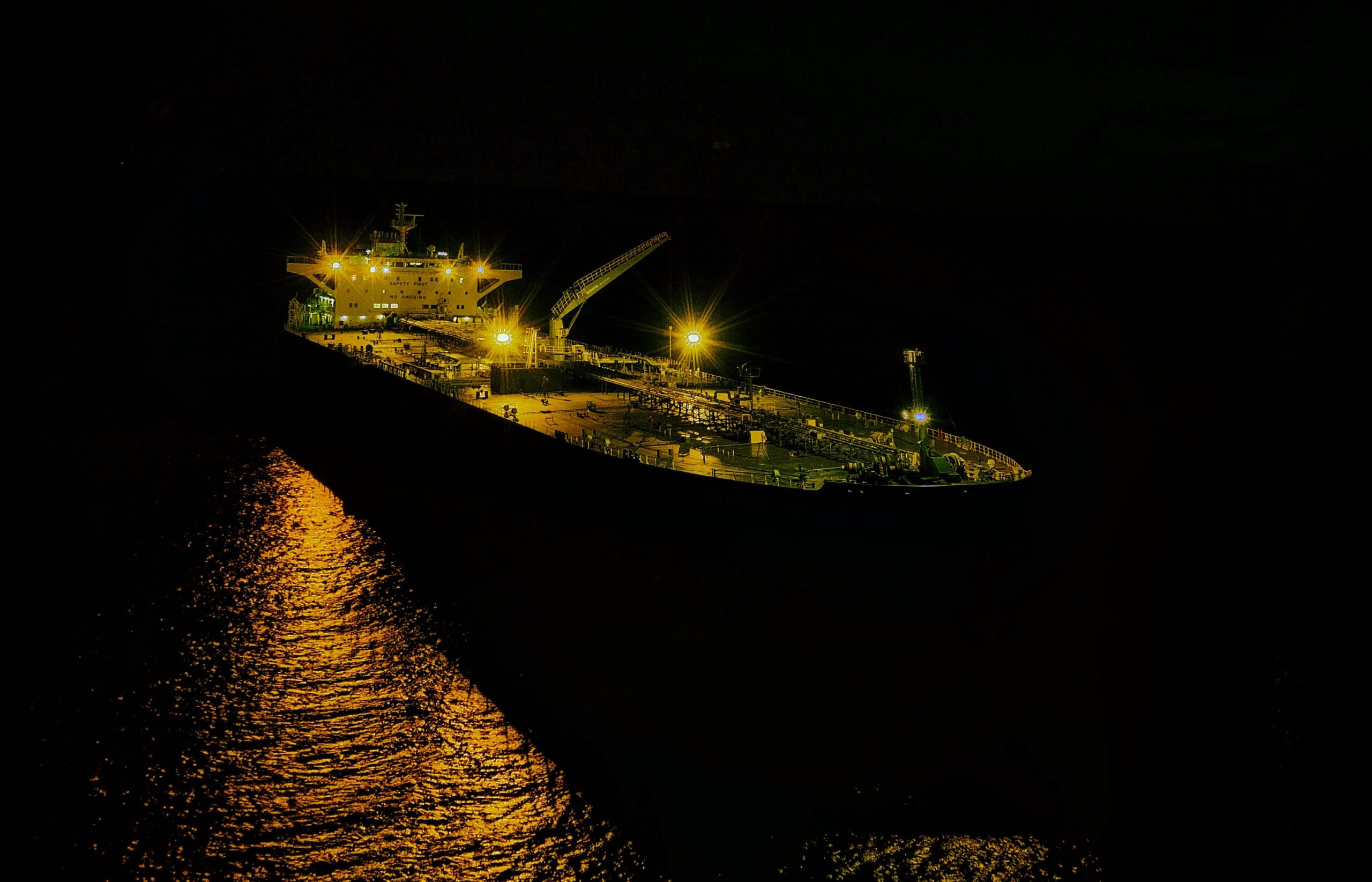
Belgian forces have boarded and seized the shadow fleet tanker Ethera in the North Sea, escorting the vessel to the port of Zeebrugge in what officials describe as a coordinated European sanctions enforcement operation.
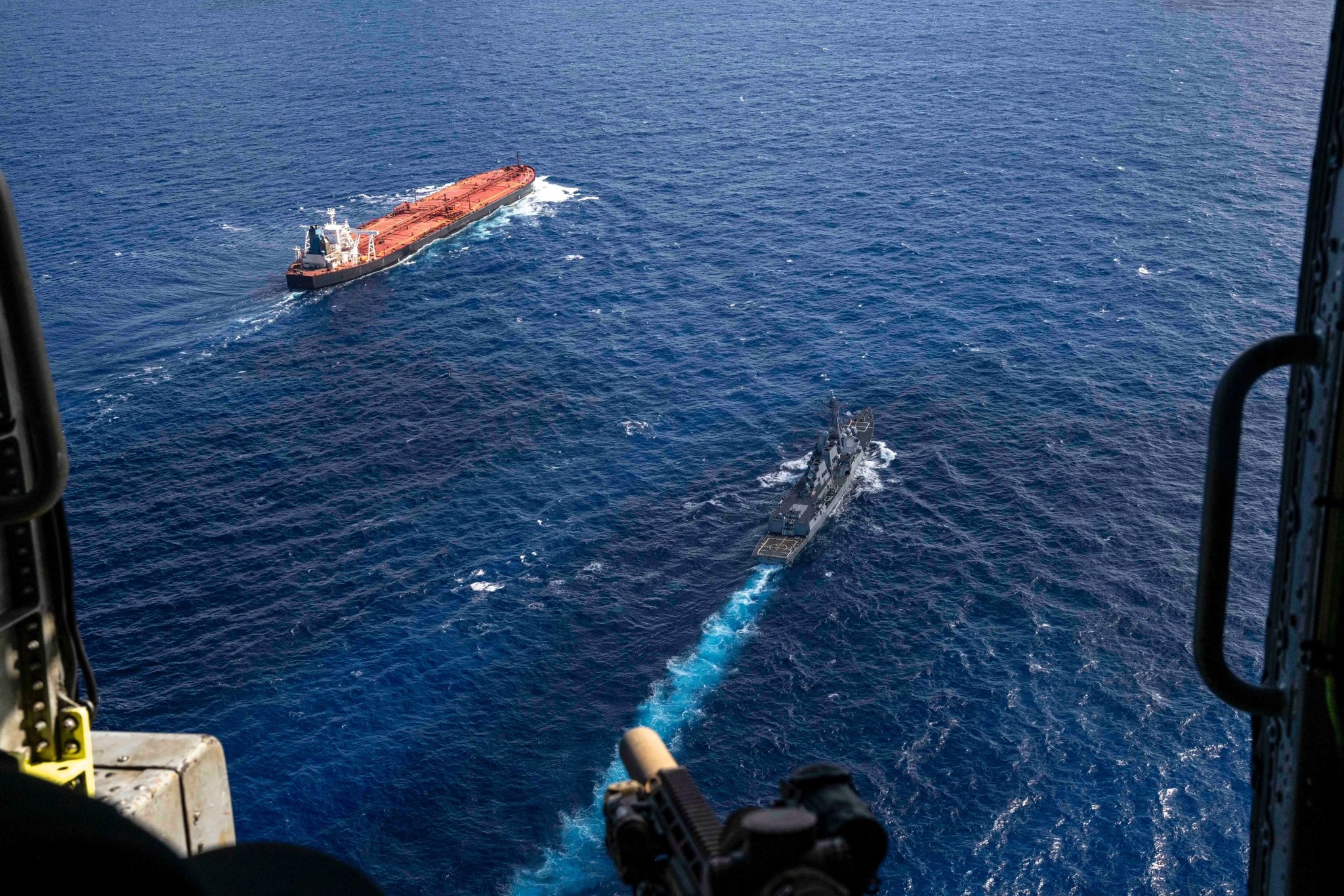
The mission—dubbed “Operation Blue Intruder”—was carried out by Belgian armed forces with support from the French Navy, including helicopter assets, in the Belgian Exclusive Economic Zone. French President Emmanuel Macron called the seizure “a major blow to the shadow fleet,” saying Europe is determined to cut off funding streams tied to Russia’s war in Ukraine through active sanctions enforcement at sea.
Belgium’s Minister of Defense and Foreign Trade, Theo Francken, confirmed the vessel is under escort to Zeebrugge, where it will be formally seized. “Operation Blue Intruder was carried out by a team of exceptionally brave service members. Excellent work,” he said.
Iranian Links Add Another Layer
Beyond its designation as part of Russia’s shadow fleet, Ethera carries additional geopolitical weight.
According to maritime intelligence firm TankerTrackers, the vessel is linked to Mohammad Hossein Shamkhani, son of Ali Shamkhani, the former senior political advisor to Iran’s Supreme Leader. The Shamkhani family is reported to control a fleet of nearly 40 tankers operating across multiple jurisdictions—highlighting the overlap between Russian sanctions evasion and broader Iranian-linked maritime networks.
A Broader European Shift at Sea
The Belgian action builds on a series of increasingly assertive European maritime enforcement moves in 2026.
In January, French authorities intercepted the tanker Grinch in the Mediterranean under Article 110 of the United Nations Convention on the Law of the Sea (UNCLOS), which permits boarding to verify nationality when false flag activity is suspected. The vessel was later released after its owning company reportedly paid a penalty worth several million euros for failing to justify its registration.
French Foreign Minister Jean-Noël Barrot said at the time that circumventing EU sanctions “comes at a price,” signaling a willingness to move beyond financial penalties and into operational interdictions.
Germany followed with its own precedent-setting action, denying Baltic Sea entry to the tanker Tavian over forged identifiers and deficient documentation tied to sanctions evasion.
Taken together, these actions mark a notable shift. Since 2022, Western governments have largely relied on sanctions designations, insurance restrictions, and financial enforcement to combat Russia’s shadow fleet. Now, EU states—and increasingly the UK—are pairing those tools with direct operational measures: expanded insurance inspections at chokepoints, denial of innocent passage in certain cases, and scrutiny of the broader ecosystem of owners, managers, brokers, and insurers.
The enforcement trend is not limited to Europe. In January, U.S. forces seized the sanctioned tanker Sagitta in the Caribbean under Operation Southern Spear, following President Trump’s announcement of a “complete blockade” targeting sanctioned oil flows tied to Venezuela.
Risk Calculus Changing
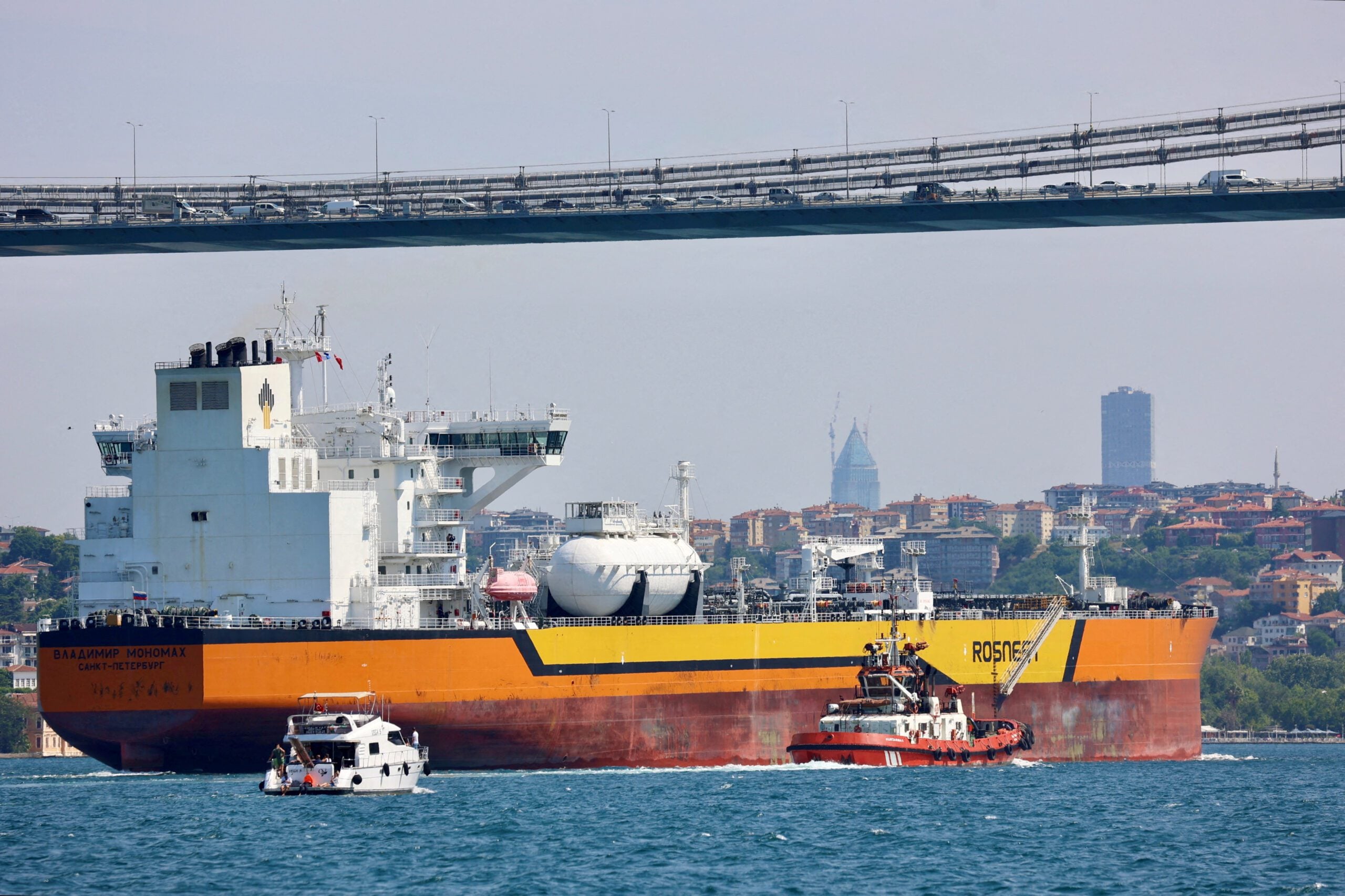
Moscow has condemned Western boardings as illegal and warned of potential retaliation. But with coordinated naval assets now backing up sanctions regimes, the risk profile for shadow fleet operators is shifting.
For tanker owners operating in opaque structures, the message from European capitals appears clear: sanctions enforcement is no longer confined to paperwork and port bans. It is moving onto the water.
Editorial Standards · Corrections · About gCaptain

 Join The Club