Four years to the day after Russia’s full-scale invasion of Ukraine, the United Kingdom has delivered what officials are calling their most comprehensive sanctions package since the early months of the war—a coordinated assault on the financial arteries sustaining Moscow’s military campaign that targets nearly 300 new entities and tightens the noose around Russia’s struggling oil revenues.
The landmark package announced Monday strikes at the heart of Russia’s energy infrastructure, designating PJSC Transneft, one of the world’s largest oil pipeline companies responsible for transporting over 80% of Russian oil exports, in what UK officials describe as a move to further hamper the Kremlin’s increasingly desperate search for buyers of sanctioned crude.
“Russia is now four years into what Putin believed would be a three-day invasion,” Foreign Secretary Yvette Cooper said while visiting Kyiv to announce the measures. “The UK has today taken decisive action to disrupt the critical financing, military equipment and revenue streams that sustain Russia’s aggression, in our largest raft of measures since the early months of the invasion.”
The timing underscores a coordinated Western strategy that has pushed Russian oil revenues to their lowest levels since 2020. According to the UK, international sanctions have collectively deprived Putin of over $450 billion—the equivalent of two more years of funding for the war—forcing the Kremlin to hike taxes on ordinary Russians, including increases to VAT and corporation tax, as Moscow scrambles to compensate for collapsing revenue streams.
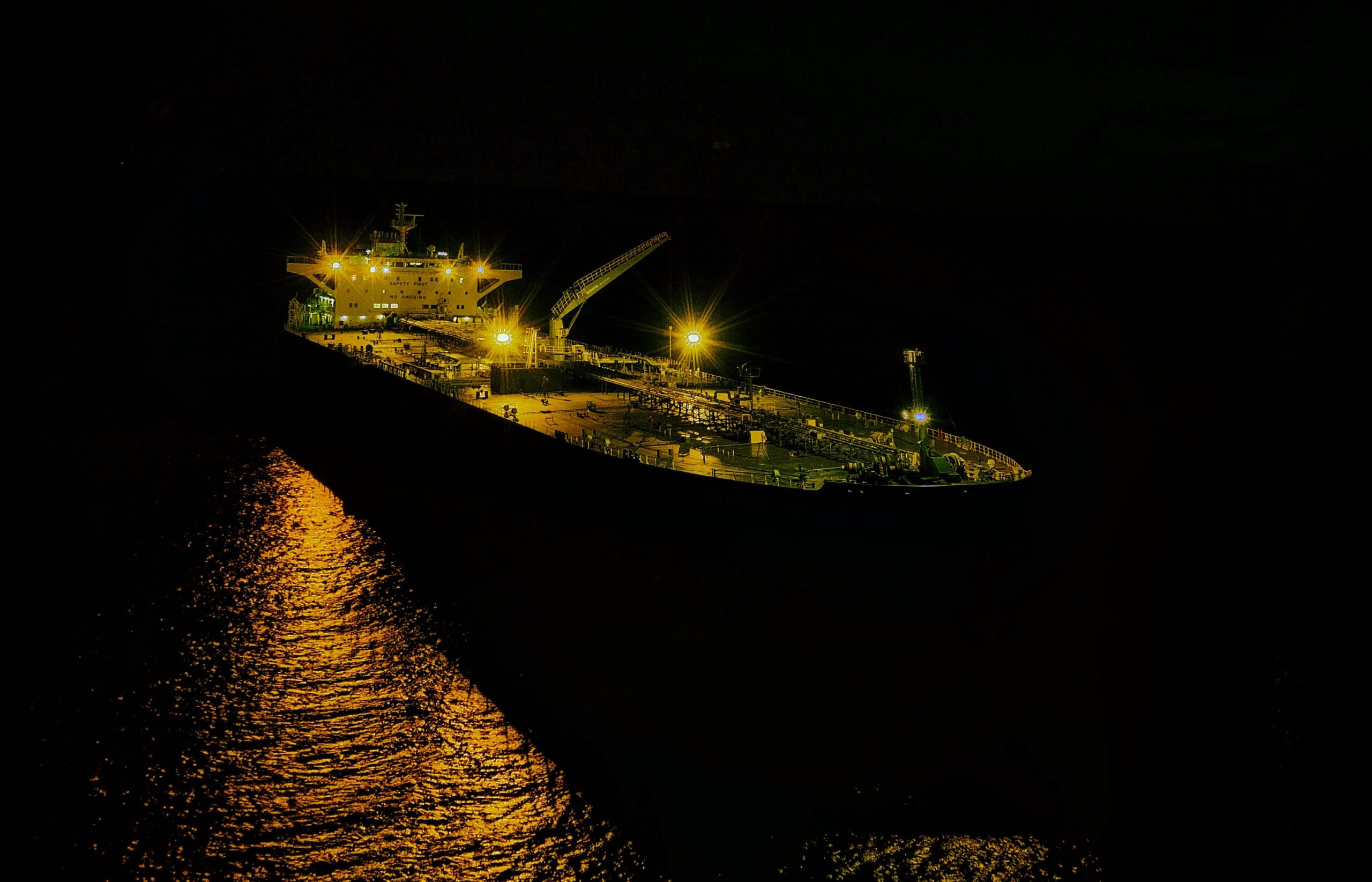
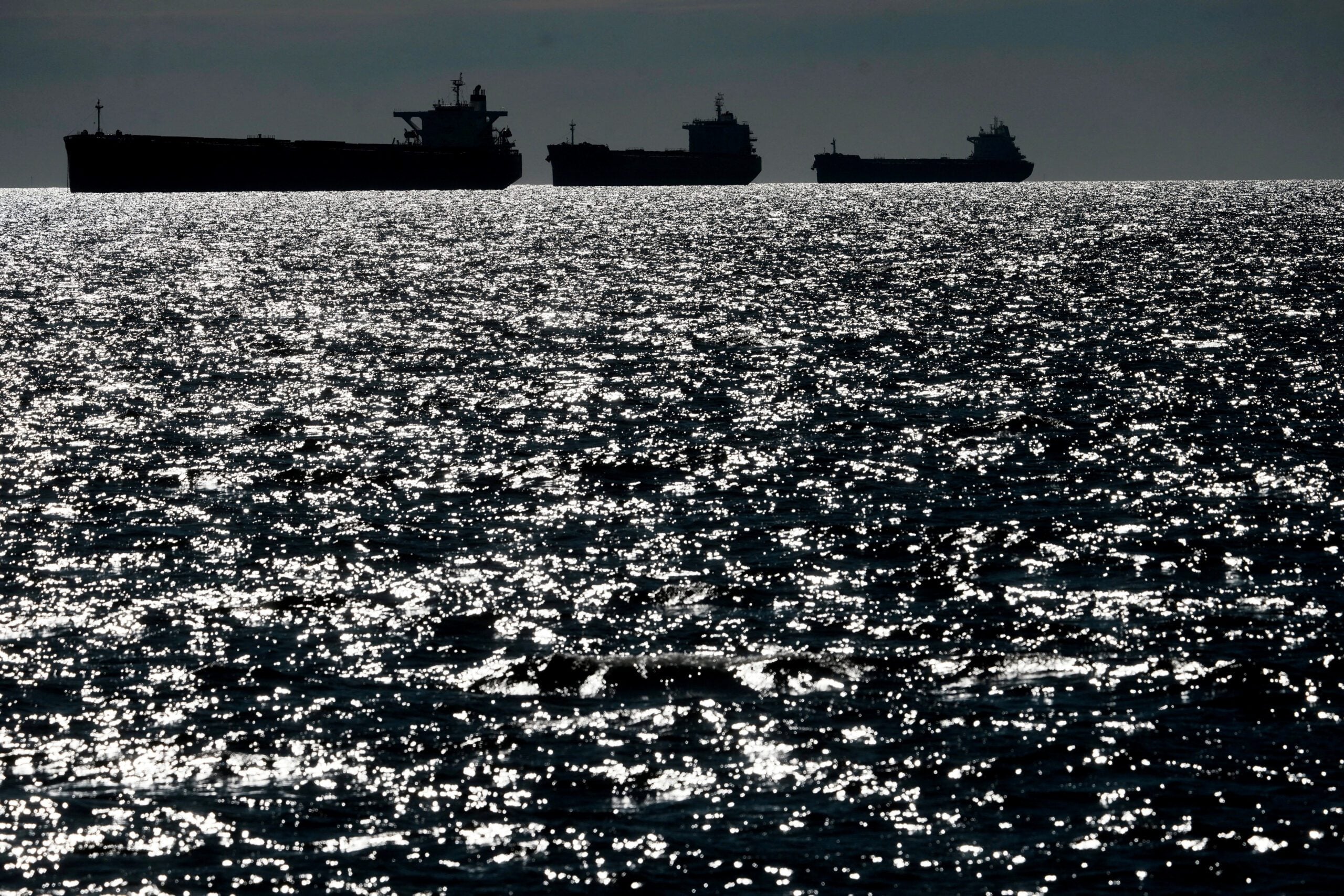
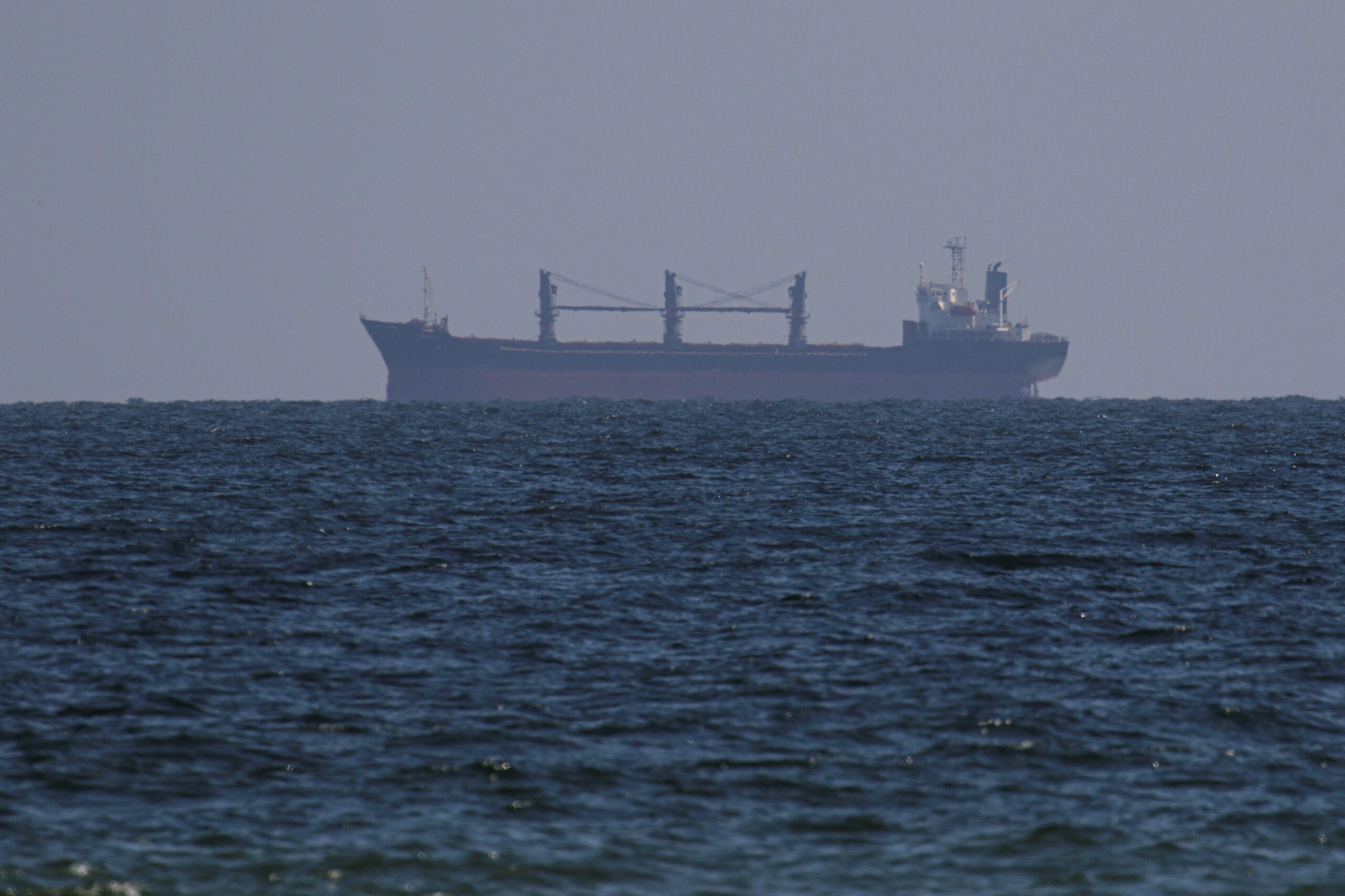
Monday’s action takes direct aim at Russia’s shadow fleet operations, sanctioning 175 companies within the ‘2Rivers’ oil network, described as one of the largest shadow fleet operators globally and a major trader of Russian crude oil. An additional 48 oil tankers now face restrictions for their role in transporting oil as part of what UK officials characterize as the Kremlin’s desperate attempt to soften the impact of crushing sanctions.
“To the Kremlin and those seeking to profit from this illicit trade, the message is clear—Russian oil is off the market,” Cooper emphasized.
The measures extend far beyond energy, targeting 49 entities and individuals involved in sustaining Russia’s war machine, including international suppliers providing vital goods, components and technology used in Russian drones and other weapons systems. Three civil nuclear energy companies and two individuals involved in securing contracts for new Russian nuclear installations overseas also found themselves on the list, as Moscow attempts to open additional energy revenue streams to offset plummeting oil income.
The UK’s Liquified Natural Gas sector crackdown includes six targets—ships, traders, and Russia’s Portovaya and Vysotsk terminals responsible for exporting Russian LNG. Nine Russian banks processing cross-border payments critical to Russia’s access to international markets and war financing also face new restrictions.
Cooper announced over £30 million in new funding to strengthen Ukrainian energy resilience after a brutal winter of Russian strikes that plunged civilians into freezing darkness. The package includes more than £25 million for repairs to damaged energy infrastructure and support for displaced populations, with an additional £5 million dedicated to driving justice and accountability for victims of alleged Russian war crimes.
“Today I’m in Kyiv announcing £30 million in funding to strengthen Ukrainian energy resilience and support recovery, taking the total UK support to £21.8 billion since the start of the war,” Cooper said. “We will continue to stand with the people of Ukraine and defend European security—Ukraine’s security is our security.”
The sanctions bring the UK’s total to over 3,000 individuals, businesses and ships designated under its Russia regime, with 649 vessels now sanctioned according to UK records—a figure that dwarfs earlier enforcement efforts and reflects the scale of Russia’s shadow fleet operations.
Monday’s announcement follows a December 2025 sanctions surge that saw the UK target four of Russia’s largest remaining unsanctioned oil companies—PJSC Tatneft, PJSC Russneft, LCC NNK-Oil, and LLC Rusneftegaz Group—which together generated over $20 billion in combined revenue. That earlier package came after October 2025 sanctions on Russia’s two largest oil companies, Lukoil and Rosneft, imposed by both the UK and United States under the Trump Administration.
“With Russian oil revenues in free fall, now is the time to tighten the squeeze on Putin’s brutal war machine and bring Russia to the negotiation table,” UK Sanctions Minister Stephen Doughty said in December. “Our message is clear—the UK will not rest until Putin ends the bloodshed and there is a just and lasting peace in Ukraine.”
The shadow fleet—consisting largely of older tankers with opaque ownership structures—has become critical to Russia’s efforts to circumvent Western sanctions and maintain oil export revenues. These vessels often disable their automatic identification systems, engage in ship-to-ship transfers at sea, and frequently change flags and ownership to evade detection.
As the international community marks this grim four-year milestone, UK Minister for Europe Stephen Doughty is rallying partners at the UN Security Council in New York around efforts to secure a just and lasting peace. UK data shows sanctions have frozen £28.7 billion of Russian assets since February 2022, while the UK government has invested £600 million and delivered more than 85,000 military drones to Ukraine in the first six months of this year.
“Every missile and drone that strikes Ukraine only strengthens our resolve,” Cooper declared. “Putin thinks that he can outlast the UK and our allies, he is sorely mistaken.”

 Join The Club