The U.S. Department of the Treasury escalated its economic pressure campaign against Iran today, sanctioning over 30 entities, individuals, and vessels in a coordinated strike aimed at dismantling the Islamic Republic’s shadow fleet operations and weapons procurement networks.
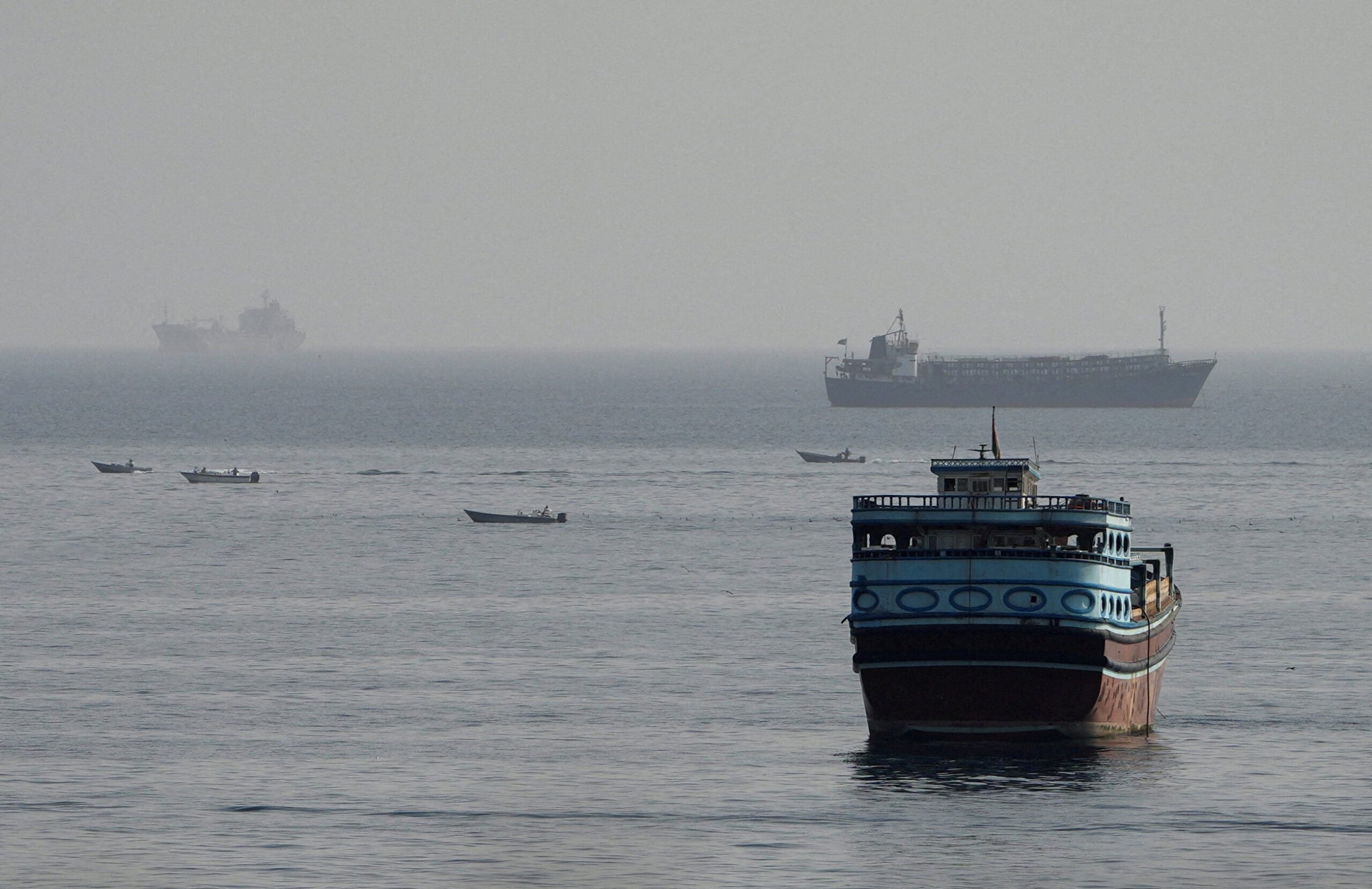
The Office of Foreign Assets Control (OFAC) designated 12 vessels and their associated owners or operators that have collectively moved hundreds of millions of dollars worth of Iranian petroleum and petrochemical products across global markets. The targeted ships include Panama-flagged tankers, Barbados-flagged vessels, and even Iran-flagged craft that have transported everything from liquified petroleum gas to high sulfur fuel oil to destinations spanning Bangladesh, Pakistan, and East Asia.
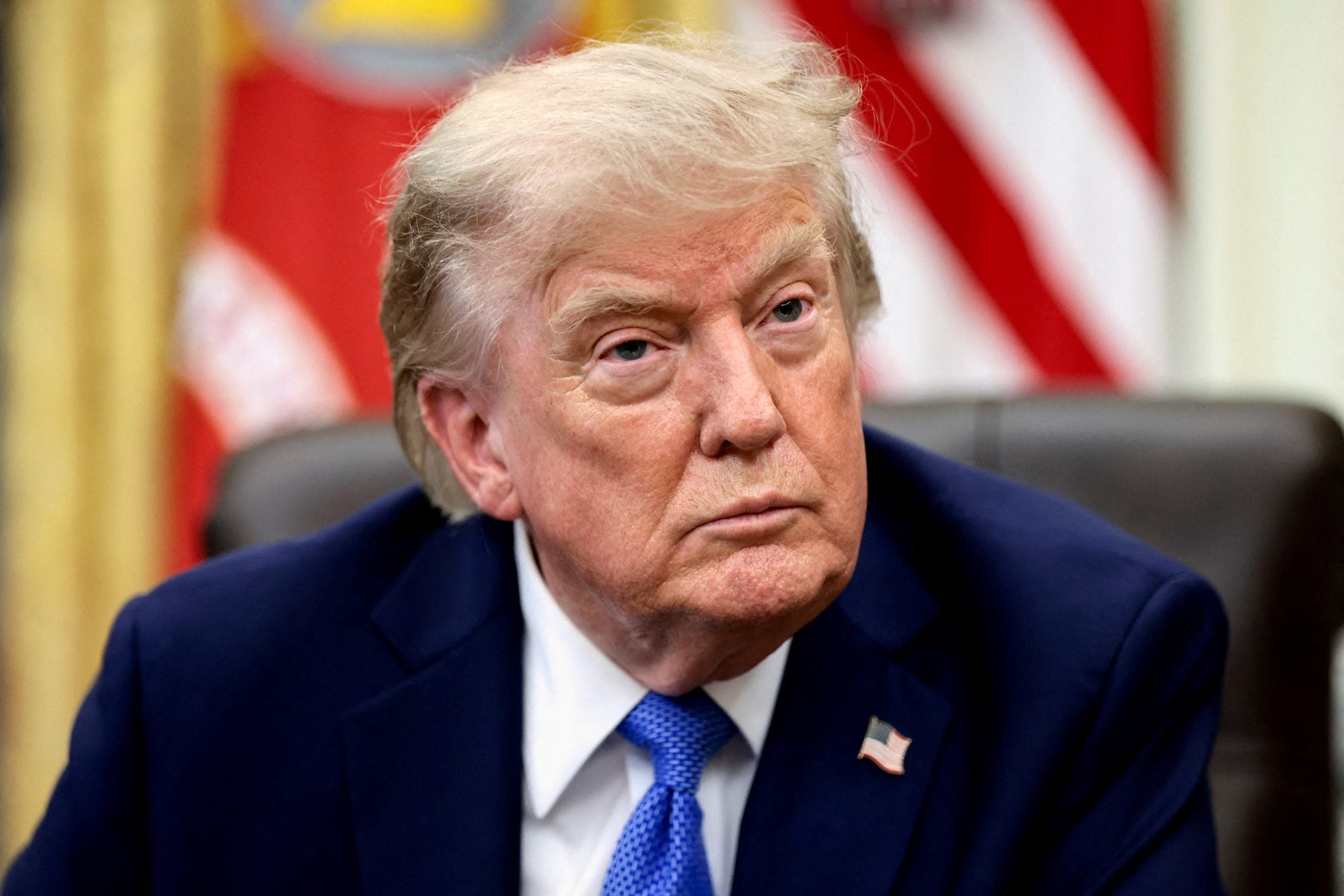
“Iran exploits financial systems to sell illicit oil, launder the proceeds, procure components for its nuclear and conventional weapons programs, and support its terrorist proxies,” said Secretary of the Treasury Scott Bessent. “Under President Trump’s strong leadership, Treasury will continue to put maximum pressure on Iran to target the regime’s weapons capabilities and support for terrorism, which it has prioritized over the lives of the Iranian people.”
The shadow fleet vessels have operated with impunity for years, enabling Tehran to circumvent international sanctions while generating revenue that the regime funnels toward ballistic missile development, unmanned aerial vehicle proliferation, and support for regional terrorist proxies rather than addressing the basic economic needs of Iranian citizens.
Among the most notable vessels designated are the OCEAN KOI, which has transported millions of barrels of Iranian petroleum since May 2025 and has been part of the shadow fleet since at least 2020, and the FELICITA, which has moved millions of barrels of Iranian fuel oil and naphtha since 2023. The ALAA has been particularly active, transporting dozens of Iranian LPG shipments to various jurisdictions including Turkey since 2022.
The action extends beyond maritime targets. OFAC also designated nine individuals and entities across Iran, Turkey, and the United Arab Emirates that have facilitated procurement of precursor chemicals and sensitive machinery for Iran’s Islamic Revolutionary Guard Corps and Ministry of Defense and Armed Forces Logistics. These networks have enabled Iran to reconstitute its ballistic missile production capacity and proliferate UAVs to third countries, including Russia and Venezuela.
The sanctions were implemented pursuant to multiple Executive Orders, including E.O. 13902, which authorizes sanctions on key sectors of Iran’s economy, and E.O. 13382, targeting weapons of mass destruction proliferators. The action represents the fourth round of nonproliferation designations following the September 27, 2025 reimposition of United Nations sanctions on Iran.
Turkey-based companies Utus, Arya, and Altis were designated for serving as financial intermediaries, originating payments totaling more than $1 million in support of Iranian procurement of sensitive machinery.Meanwhile, four Iranian nationals—Mohammad Abedini, Mehdi Zand, Mehrdad Jafari, and Ebrahim Shariatzadeh—were sanctioned for traveling to Russia and Venezuela on behalf of Qods Aviation Industries to provide technical support for Iranian-designed UAVs.
The designations carry severe consequences. All property and interests in property of the sanctioned persons within U.S. jurisdiction are blocked, and entities owned 50 percent or more by blocked persons are automatically designated as well. U.S. persons are generally prohibited from conducting any transactions involving the blocked parties, with violations subject to civil or criminal penalties.
This latest action is part of a broader maximum pressure strategy outlined in National Security Presidential Memorandum 2, which has already resulted in more than 875 sanctions designations in 2025 alone targeting Iran’s shadow banking, money laundering, weapons proliferation, and sanctions evasion networks.
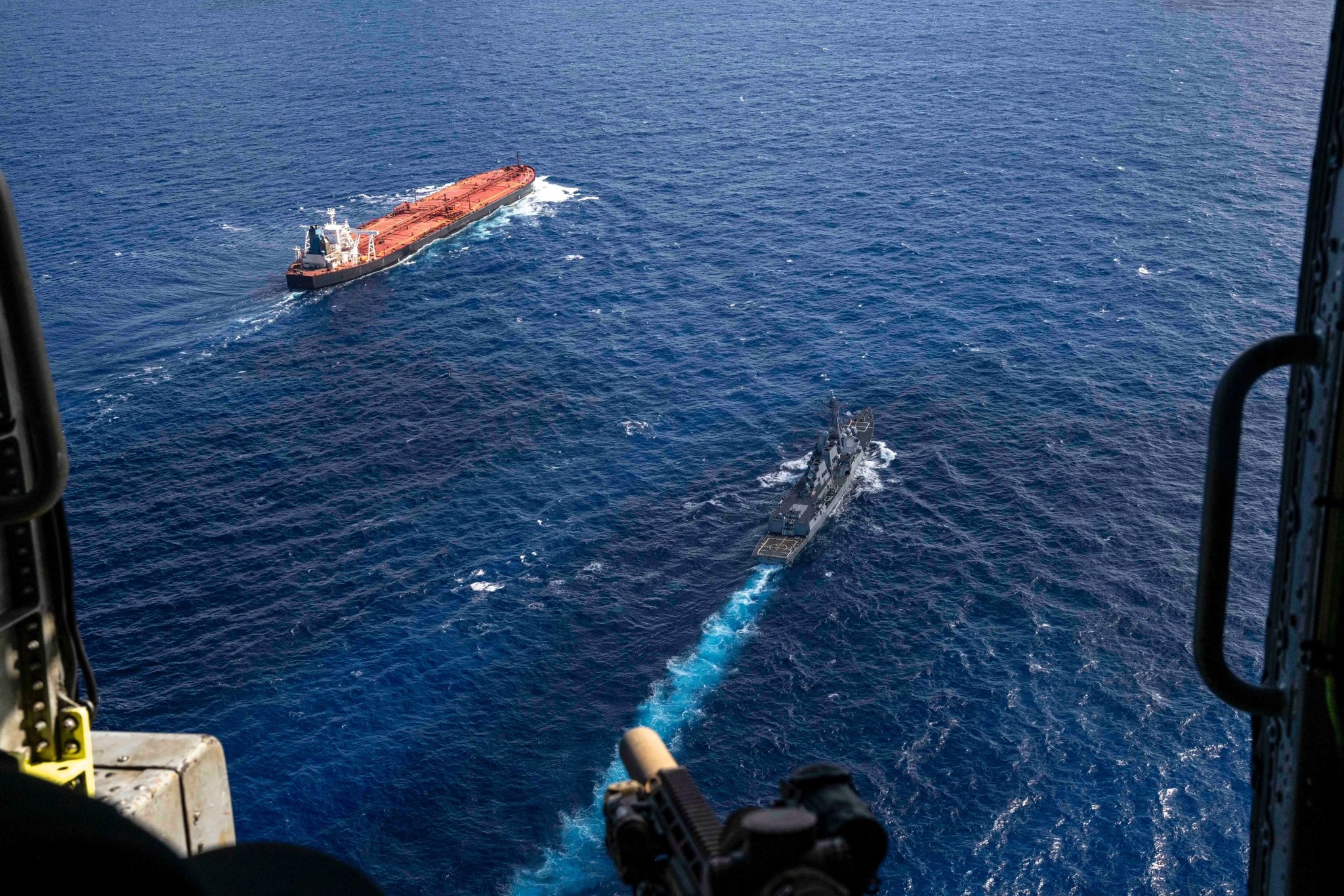
As maritime enforcement intensifies globally—with recent U.S. boardings of sanctioned tankers in the Indian Ocean and expanded sanctions targeting Russian shadow fleets—the Treasury’s actions signal that illicit petroleum transport remains squarely in Washington’s crosshairs.

 Join The Club