The Baltic Exchange has launched two new Aframax tanker benchmarks tracking Canadian crude exports to Asia, marking a direct response to shifting global trade dynamics and escalating geopolitical tensions.
TD28 and TD29, listed on the Intercontinental Exchange on October 13, track voyages from Vancouver to Ningbo, China, and from Vancouver to the Pacific Area Lightering zone off the US West Coast, respectively. The routes have emerged as strategically important following the completion of the Trans Mountain Expansion project, which began commercial operations on May 1, 2024.
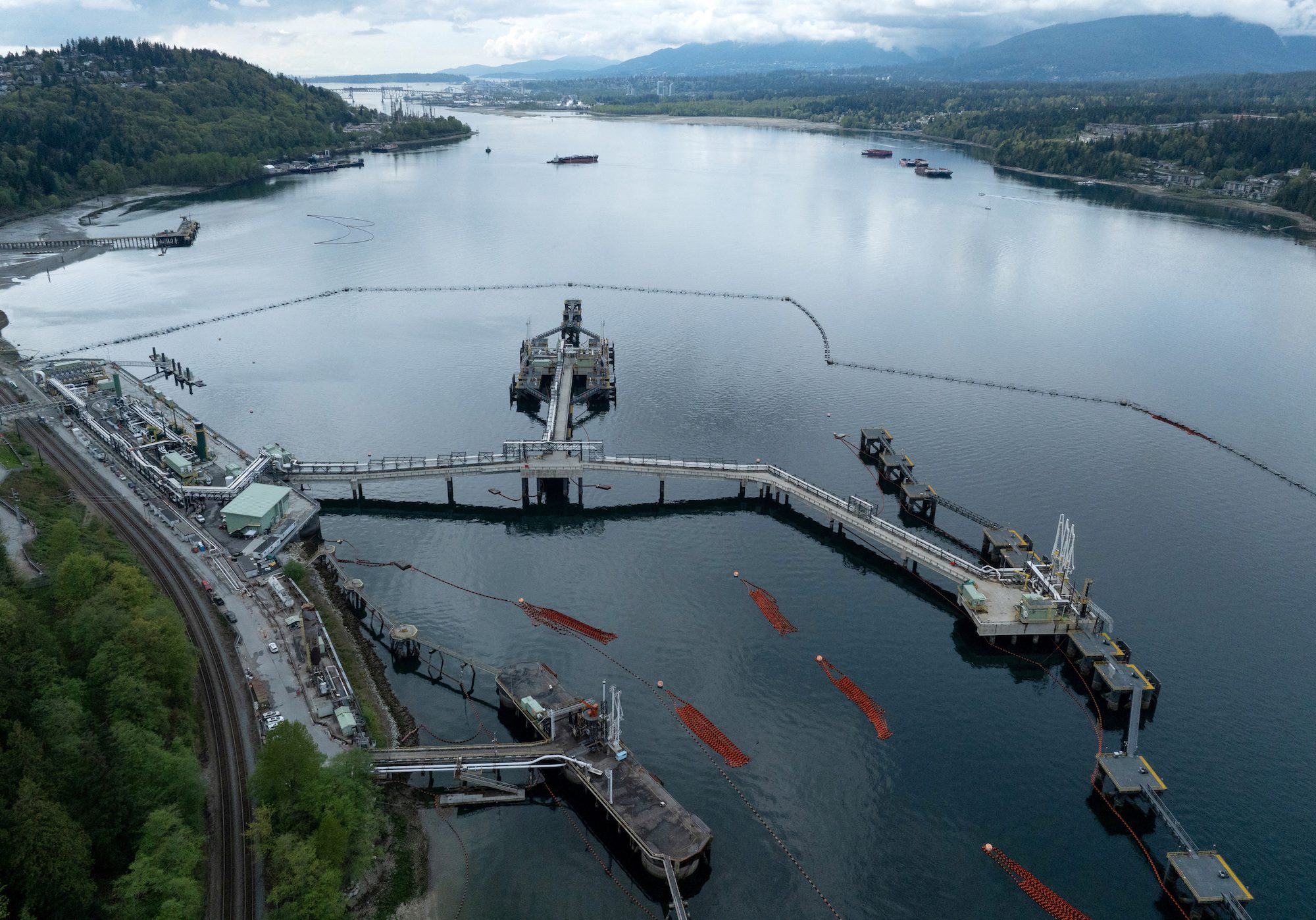
The TMX project nearly tripled Canada’s pipeline capacity from 300,000 barrels per day to 890,000 bpd, transforming the country’s export profile and providing direct access to Asian energy markets.Vancouver’s Westridge Marine Terminal, previously limited to around five Aframax calls per month, can now accommodate up to 34, a shift that has elevated Canada’s role in global crude trade.
“This is a classic example of the Baltic responding directly to market needs,” said Matt Cox, Head of Benchmark Production at the Baltic Exchange. “The development of these new routes reflects how trade flows evolve in response to geopolitical realities, from tariff disputes and shifting alliances to sanctions and changing energy security priorities. Our role is to ensure the market has reliable benchmarks that reflect these new dynamics.”
Trans Mountain Pipeline Expansion Fuels Export Boom at Port of Vancouver
The launch comes as rising US-China trade tensions, Western sanctions on Russian energy, and growing competition for secure energy supplies have made Canada’s Pacific export corridor a strategic alternative for Asian buyers. As the United States and China spar over technology and tariffs, Canadian crude offers a politically safer source of supply, and with TMX now online, the Pacific coast has become a critical export gateway.
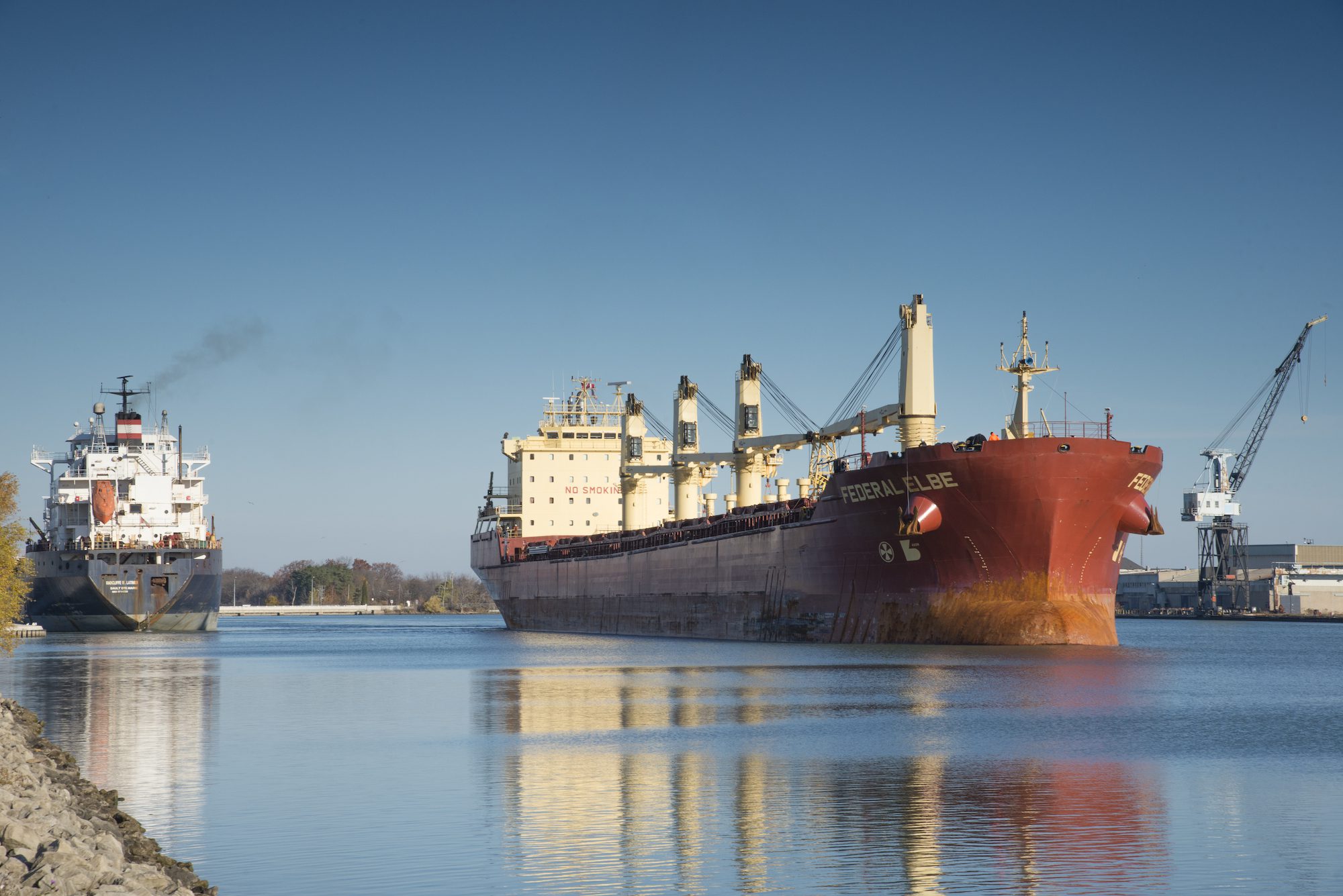
Because fully loaded VLCCs cannot load at Vancouver, Aframax vessels have become the standard for these shipments.Cargoes either sail directly across the Pacific to China or are lightered onto larger tankers off California before continuing their journey. As these flows grow, particularly amid heightened interest from Chinese refiners and diversification strategies among Asian buyers, the need for independent, transparent benchmarks has intensified.
The development of TD28 and TD29 followed the Baltic’s index creation process, including blind and private trials with market panellists and a public consultation phase.Both routes met the Baltic’s criteria for liquidity, panel participation and commercial relevance before being adopted.
“New routes are launched after extensive monitoring, consultation and testing to ensure it reflects genuine trade flows and provides real value to the market,” Cox said. “Collaboration with our panel and advisory councils is central to this process and ensures our benchmarks mirror market reality as closely as possible.”
Regular advisory council meetings and ongoing dialogue with industry participants ensure benchmarks evolve alongside new trade patterns, sanctions regimes, and decarbonisation policies such as the EU ETS and FuelEU Maritime.
“Our engagement with the market is continuous,” Cox added. “TD28 and TD29 are the latest examples of how we listen to members and deliver products that meet the industry’s changing needs. They also show how benchmarks can act as early indicators of deeper geopolitical and commercial trends.”
Cox said the early signs for both routes are promising. “Flows of Canadian crude are growing rapidly, and these benchmarks will provide the transparency and consistency needed as the trade matures,” he noted. “Ultimately, the success of any index depends on adoption, and we’re confident these routes will quickly become trusted reference points for market participants across the Pacific.”

 Join The Club